


Wampler Pedal article
Wampler Pedal for Beginners: A Complete Guide
A beginner's guide to Wampler pedals: understand why Wampler is special, which pedals work for learners, value propositions, and how to integrate effects into your playing.
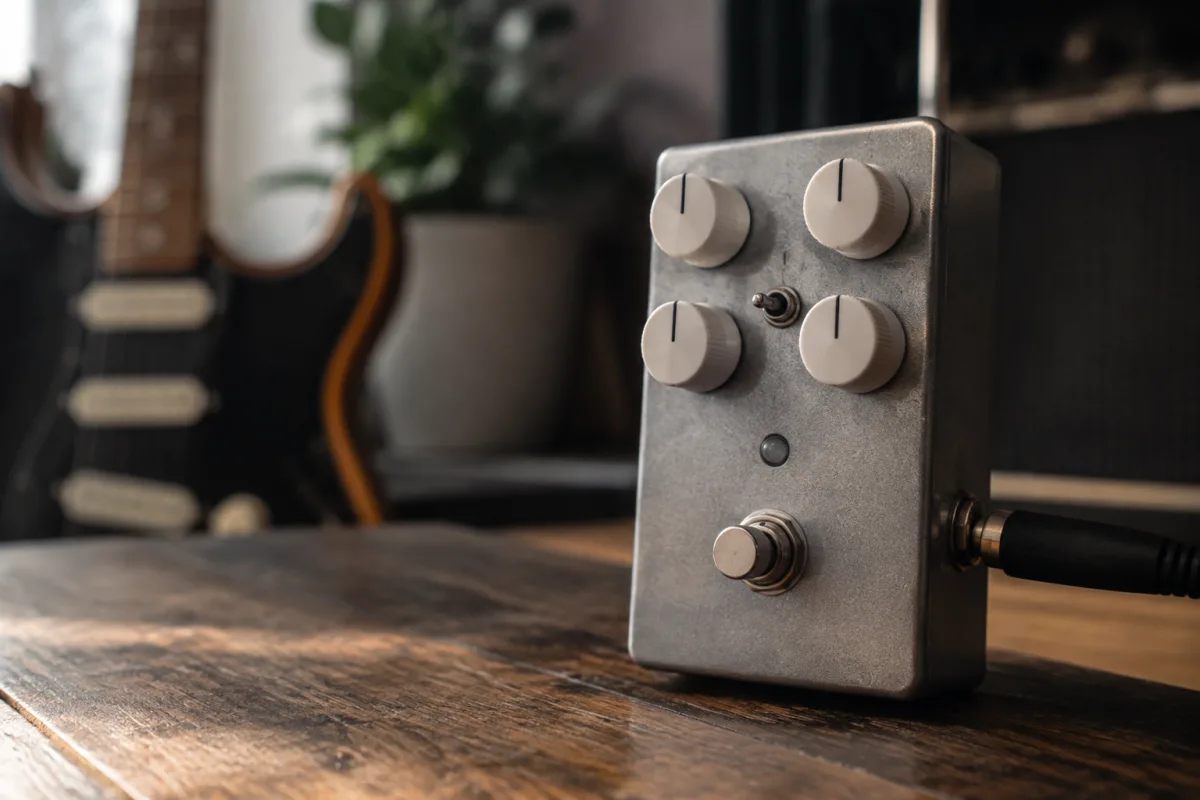
If you're exploring guitar effects pedals and Wampler keeps coming up in recommendations, you might wonder if they're right for beginners. Wampler is a boutique effects pedal company known for high-quality, handcrafted units that cost more than mass-produced alternatives. This might make you hesitate—are they really necessary when you're just starting? The answer is nuanced. Wampler pedals aren't essential for beginners, but they offer exceptional value if you're ready to invest in your tone. This guide demystifies Wampler pedals for newcomers, explaining what makes them special, which models work for learners, and how to navigate their products without feeling overwhelmed. For deeper technical knowledge, check out our complete guide to Wampler pedals after you've developed your initial interest.
What Makes Wampler Pedals Different—And Why Beginners Notice
Wampler is a small American manufacturer owned and operated by Brian Wampler, an engineer with decades of experience designing effects. Unlike mass-market brands that crank out thousands of identical pedals, Wampler produces smaller quantities of handcrafted effects. This approach results in several key differences: meticulous build quality, thoughtful control layouts, and tone that justifies the premium price. Most beginner guitarists don't encounter Wampler immediately because entry-level players gravitate toward budget brands. But once you're interested in upgrading from practice-tier gear, Wampler appears frequently in discussions about professional-quality effects.
Understanding Wampler's Price Point and Value Proposition
Wampler pedals typically cost 150-400 pounds per unit, depending on the model. This is substantially more than budget pedals (50-150 pounds) but less than ultra-premium boutique brands (400+ pounds). For beginners, this price creates uncertainty: is it worth the investment? Here's the reality:
- Durability: Wampler pedals are built to last decades with proper care. Budget pedals often fail within years. Over 10+ years, Wampler's cost-per-year is competitive with budget alternatives that require replacement.
- Tone quality: Wampler's circuits are engineered for musicality and transparent tone shaping. Budget pedals often colour your tone unmusically. If you're developing your ear, Wampler's clarity helps you learn proper effects usage.
- Resale value: Wampler pedals hold their value exceptionally well. You can recoup 60-75% of purchase price when reselling. Budget pedals resell for 20-30%. This significantly reduces your true investment.
- Learning investment: If you're serious about developing as a guitarist, investing in quality effects teaches better practices than budget alternatives that teach bad habits through poor tone.
Beginners on tight budgets might start with budget pedals, but if you have flexibility, Wampler offers better long-term value.
Best Wampler Pedals for Beginners
Not every Wampler model makes sense for first-time effects buyers. Here are the most beginner-friendly options:
Wampler Plexidrive: This is one of their most popular pedals and an excellent entry point. It's an overdrive pedal that adds warm distortion without overwhelming your tone. It's versatile enough for rock, blues, and alternative styles. At 180-200 pounds, it's a reasonable investment for a first-quality effects pedal. The control layout is intuitive: gain, tone, and level—nothing confusing.
Wampler Compressor: Compression is often overlooked by beginners, but it's arguably the most important effect to understand. Wampler's Compressor is transparent and musical, teaching you compression without introducing strange artefacts. At 170-190 pounds, it's a worthwhile learning tool.
Wampler Faux Cheddar: An overdrive pedal with more character than the Plexidrive. It's warmer and more vintage-sounding, ideal if you're drawn to retro tones. Beginners exploring 1970s-influenced rock love this pedal.
Wampler Velvet Fuzz: If you're interested in fuzz effects, this is a beginner-friendly entry. It's musical and not too aggressive, making it less intimidating than many fuzz options.
Common Beginner Mistakes With Wampler Pedals
As you explore Wampler, avoid these pitfalls:
Buying multiple pedals without understanding single effects: Beginners often assume buying more pedals makes them sound better. In reality, understanding one Wampler pedal deeply is more valuable than owning five pedals you barely use. Start with one, master it, then add others.
Expecting the pedal to fix bad technique: A Wampler pedal won't make you sound like a pro if your fundamentals are weak. A quality pedal amplifies good playing but also amplifies sloppy technique. Focus on core skills first.
Ignoring the importance of your amplifier: A Wampler pedal's tone depends enormously on your amplifier and how it responds to the effect. Using a high-quality pedal through a cheap, thin-sounding amp is disappointing. Invest in your amp alongside your pedals.
Not reading the manual: Wampler pedals include detailed manuals explaining each control. Beginners sometimes skip this and miss optimal settings. Read the manual; it's educational.
Assuming all effects sound similar: Beginners often think Wampler is "just another overdrive brand." In reality, their designs are thoughtfully voiced. A Wampler Plexidrive sounds distinctly different from a budget overdrive. Take time to hear the differences.
Buying without trying: Wampler pedals are expensive enough that purchasing without hearing them first is risky. If possible, borrow one from a friend or visit a dealer where you can try before buying. This is especially important because tone preference is personal.
How to Start Using Your First Wampler Pedal
Once you've acquired a Wampler pedal, here's how to integrate it effectively:
Set it up correctly: Place the pedal between your guitar and amplifier. Connect your guitar cable to the input and the output to your amp's input. Use quality cables; cheap cables introduce noise.
Start with default settings: Wampler includes suggested starting points in their manuals. Begin here. This lets you hear the pedal's intended character before tweaking.
Play familiar songs: Use material you know well to evaluate how the pedal affects your tone. This is more informative than noodling randomly.
Adjust controls slowly: Change one control at a time by 10-20% and listen. This trains your ear to understand what each knob does. Don't make dramatic changes; subtle adjustments teach the most.
Compare on/off: Regularly engage and disengage the pedal while playing. This helps you hear exactly what the effect contributes to your tone.
Document your settings: When you find settings you like, take a photo of the pedal controls or write down the knob positions. This saves time when you return to similar tones.
Building a Wampler Pedalboard Over Time
If you fall in love with your first Wampler pedal, you might eventually build a board with multiple Wampler effects. Here's a smart approach:
Start with one pedal (overdrive or compressor). Use it for 2-3 months until you've thoroughly understood it. Add a second pedal (delay or reverb). Again, live with it for months. Gradually build your board, always prioritising depth of understanding over breadth of effects. A skilled player with three pedals you truly understand sounds better than an amateur with twenty pedals they don't.
Conclusion: Wampler as Your Effects Foundation
Wampler pedals aren't necessary for beginners, but they're an excellent investment if you're serious about developing your tone. Start with one model that appeals to you—the Plexidrive for overdrive or the Compressor for learning compression. Invest time understanding that single pedal before adding others. The quality will teach you proper effects usage, the resale value protects your investment, and the tone will inspire better playing. Welcome to the world of quality effects; you're making a choice that will serve your musicianship for years.


Comments