


Walrus Audio article
Walrus Audio for Beginners: A Complete Guide
Walrus Audio makes excellent effects pedals, but beginners don't need them yet. This guide explains what to learn first, and when Walrus Audio actually makes sense.
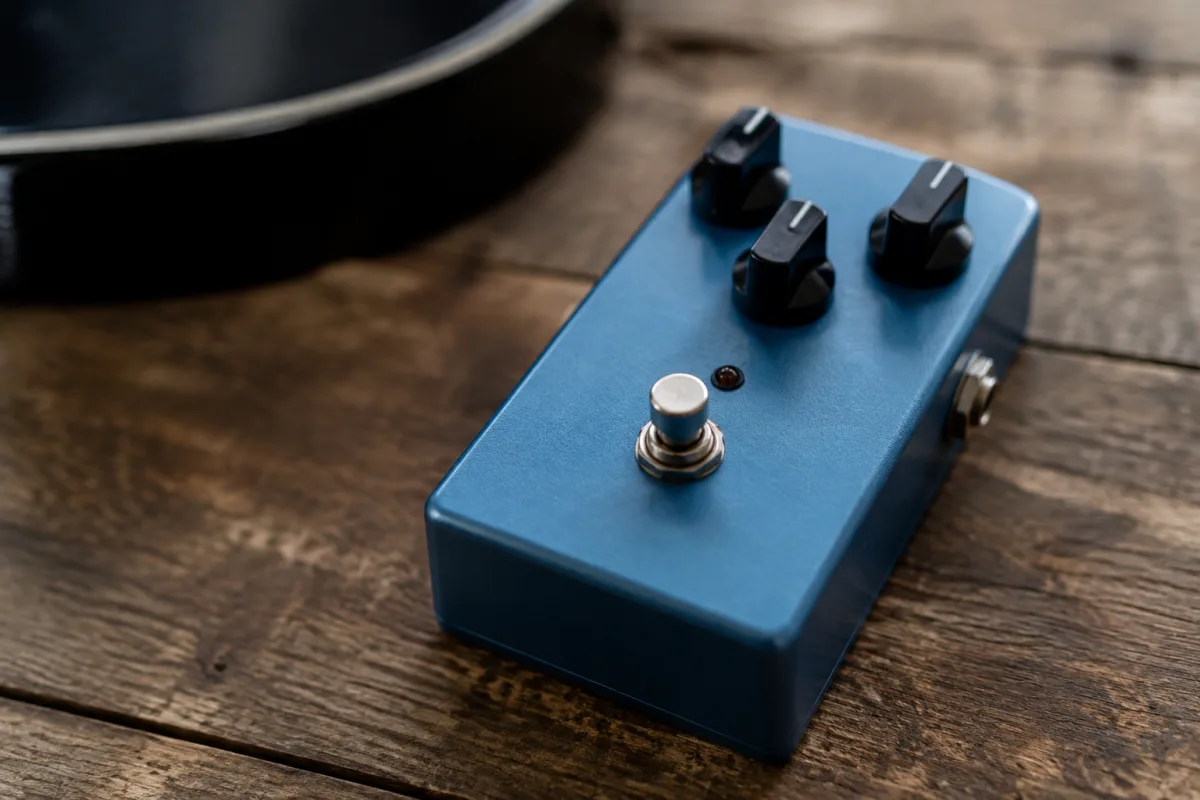
Getting Into Walrus Audio as a Beginner
Walrus Audio is a boutique effects pedal company with a reputation for quality and creativity. If you've heard one of their pedals in a demo or seen them on a guitarist's pedalboard, you might be curious about whether they're worth exploring as a beginner. The honest answer: Walrus Audio pedals are excellent, but they're a premium option, and beginners don't need to start there. This guide explains what Walrus Audio is, how beginners can approach their pedals intelligently, and when (or if) they make sense for you.
What Is Walrus Audio?
Walrus Audio designs and manufactures guitar effects pedals — devices that alter your guitar's tone through distortion, reverb, delay, modulation, and other effects. They're known for small-batch production, innovative designs, and a reputation for quality and customer care.
Unlike mass-market manufacturers like Boss or Behringer, Walrus Audio is a premium brand. Their pedals cost more — typically £120–250 per unit compared to £50–100 for mass-market alternatives — but they deliver distinctive tones, solid build quality, and responsive customer service.
If you've never bought an effects pedal before, Walrus Audio is worth knowing about, but it's not your starting point. It's where you go after you've learned the fundamentals and know what you actually want from effects.
Why Beginners Don't Need Walrus Audio (Yet)
A beginner guitarist is better served starting with a budget pedal or a multi-effects unit. Here's why:
You don't know what you want yet. Beginners often impulse-buy a fancy pedal, only to realise three months later it's not what they were imagining. A £50 mistake hurts less than a £150 one. Learn your own preferences first on budget gear, then upgrade.
Effects aren't essential to learning. Distortion is fun, but you'll develop far better technique and tone without it. Start with a clean amp and your raw guitar tone for at least a few months. Effects enhance playing; they don't substitute for it.
Budget pedals are actually good. A Boss DS-1 or Behringer Distortion pedal isn't fancy, but it works brilliantly and costs £30–40. There's no shame in learning on budget gear. Thousands of excellent guitarists started this way.
You'll spend money on other things first. A decent amp, good cables, and quality strings matter far more than an expensive pedal. Invest in the basics before splurging on boutique effects.
When a Beginner Might Consider Walrus Audio
After 6–12 months of playing, when you have:
- A decent amp and solid guitar
- Experience with at least one budget pedal or multi-effects unit
- Clear knowledge of which effect you actually want (e.g., "I really need a better reverb")
- The budget to invest without regret (this should be discretionary money, not rent)
At that point, a Walrus Audio pedal is a genuine upgrade — not because it's fancier, but because you know what you're buying and why it genuinely matters to your sound.
Beginner-Friendly Walrus Audio Pedals
If you do decide to invest in Walrus Audio after developing your understanding, start with one of these:
The Fathom Reverb (£199): A lush, expressive reverb pedal that sounds genuinely beautiful. Reverb is one of the most useful effects for any guitarist. This pedal rewards experimentation and never sounds bad.
The Mayones Distortion/Boost (£139): A focused distortion that's musical and responsive. Not as aggressive as some boutique distortions — great for rock and blues.
The Mako D-1 Compressor (£189): If you want to understand compression, this pedal teaches you through hands-on use. Compressors are subtle but genuinely transform your tone once you understand them.
Avoid overly complex multi-effects pedals as a first Walrus purchase. Choose something with a clear, single purpose. You'll use it more and learn faster.
Common Beginner Mistakes with Premium Pedals
Buying based on YouTube hype. A YouTube demo makes any pedal sound amazing through a pro's amp and hands. The same pedal might not inspire you through your setup. Watch demos, but know that your mileage will vary.
Assuming more expensive = better sound. Walrus Audio pedals are genuinely well-designed, but a £50 Boss pedal with settings you understand beats a £150 Walrus pedal you can't dial in. Price ≠ automatic improvement.
Buying an effect you don't actually need. "Reverb sounds cool in demos, so I'll buy a reverb pedal" is backwards thinking. Buy effects to solve problems or create specific sounds you're actively chasing. Otherwise, it's an expensive ornament.
Overlooking the used market. Walrus Audio pedals hold value and appear on the used market. A £150 reverb that was £200 new is still a significant investment but more palatable. Check eBay, Reverb.com, and local ads before buying new.
Not understanding your amp's built-in effects. Many beginner amps include digital reverb and effects. Master those first before buying pedals. They're already yours.
The Real Path Forward
If you love the idea of Walrus Audio but you're a beginner, here's the honest progression:
- Learn the fundamentals on a clean amp with no effects (3–6 months)
- Buy a budget multi-effects unit or one cheap pedal to experiment (£30–80)
- Use that budget gear for 6–12 months and develop genuine preferences
- Identify which single effect you'd genuinely upgrade (reverb, delay, distortion?)
- Research that category across different brands, including Walrus Audio
- Only then invest in the premium version knowing exactly why you want it
This path sounds slow, but it saves money and means your purchases genuinely match your playing and aesthetic.
Walrus Audio's Actual Strengths for Beginners
When you do invest in Walrus Audio eventually, here's what you get:
- Customer service. They're known for responsiveness and support. If something breaks, they help.
- Resale value. Walrus Audio pedals hold their value on the used market better than cheap alternatives.
- Distinctive tones. They sound like Walrus Audio pedals — recognisable character that players love or don't, but definitely not generic.
- Build quality. These pedals survive years of gigging and touring. They're built to last.
These are genuine advantages, but they're only valuable if you actually need them. A beginner in their bedroom playing along to YouTube videos doesn't need this level of durability or customer service.
The Bottom Line
Walrus Audio makes excellent pedals, but beginners don't need them yet. Invest 6–12 months learning on budget gear, develop your preferences, and then upgrade to Walrus Audio if it genuinely serves your sound. You'll make better decisions, spend money more wisely, and actually use what you buy. There's no shame in starting cheap — every great guitarist did. The goal is to learn; the gear is secondary to that.
For a deeper exploration of Walrus Audio's product range, design philosophy, and how they fit into the broader effects pedal landscape, check out the complete guide to Walrus Audio.


Comments