


Victory Amps article
Victory Amps for Beginners: A Complete Guide
Victory amps inspire serious tone exploration for beginners. This guide covers channel fundamentals, tone-shaping controls, and how to build genuine sonic understanding from your first session.
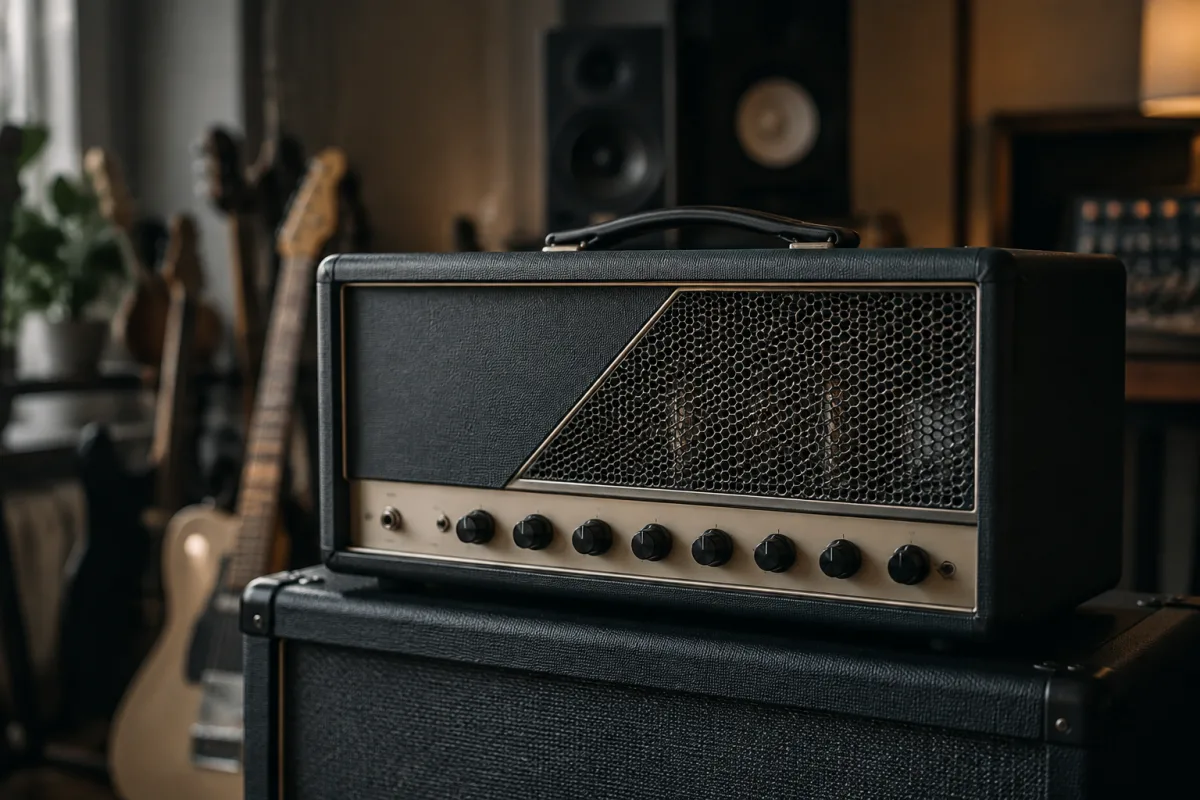
Starting your amplified guitar journey with Victory amps opens possibilities for tonal exploration and genuine musical expression from your first notes. Victory amps are specifically engineered to serve musicians seriously interested in their tone, combining approachable functionality with sophisticated sound design. Whether you're stepping up from bedroom practice to proper amplified playing, a Victory amp rewards careful listening and intentional playing choices.
Why Victory Amps Suit Beginners Seriously About Tone
Victory amps differentiate themselves through innovative preamp design and flexible tone-shaping tools that remain intuitive and encouraging for new players. Rather than throwing confusing controls at you, Victory's interface prioritises clarity and usability. Each control has obvious sonic impact, so you'll develop genuine understanding of how amplifier design shapes your tone rather than randomly tweaking knobs hoping something sounds better.
The build quality is genuinely exceptional. Victory amps use premium components throughout, delivering reliability that keeps your playing time focused on music rather than troubleshooting. The attention to detail extends from circuit design to physical construction — this is an amplifier built to inspire confidence in new players whilst satisfying experienced musicians' exacting standards.
Getting Oriented with Victory Amp Controls
Victory amps typically feature an elegant control layout. The Clean channel provides stunning clarity — perfect for understanding how your guitar fundamentally sounds without tone colouration. The Crunch or Overdrive channel offers natural breakup that responds to your picking dynamics. This two-channel approach lets you explore clean and driven tones without overwhelming complexity.
Learn what each control actually does by experimenting deliberately. Turn one control at a time and listen carefully to the sonic change. This intentional exploration teaches you genuinely useful skills about how amplifiers work. You're not mindlessly searching for a tone; you're systematically understanding this specific amplifier's voice.
Establishing Your Clean Foundation
Spend substantial time exploring your Victory amp's Clean channel. This is your foundation for understanding tone. Adjust the Presence control and notice how it affects high-frequency brightness. Turn the Bass, Mids, and Treble controls systematically and listen to how each shapes the overall character. This deliberate exploration develops your ear and builds confidence in controlling your tone.
Play simple open-position chords slowly through the Clean channel. Listen to how the amplifier reveals every nuance of your playing — accurate picking, finger noise, string muting technique. A Victory amp's transparent design makes your playing's strengths and weaknesses obvious, which accelerates improvement because you hear exactly what you're doing right and wrong.
Exploring Crunch and Overdrive Tones
Once you're comfortable with the Clean channel, venture into the Overdrive channel. Victory amps typically offer sophisticated overdrive that responds beautifully to your pick dynamics. Strike strings gently and the amp responds with moderate breakup; dig in harder and it cranks more aggressively. This dynamic responsiveness means you're not stuck in one tone — you're genuinely controlling the amplifier's character through your playing.
Experiment with the Gain control. Lower settings produce light crunch for rhythm work; higher settings deliver serious drive for lead playing. A Victory amp's well-designed gain stage means you can dial in exactly the breakup you want without muddy or harsh sounds dominating.
Common Beginner Mistakes with Victory Amps
The most frequent error is cranking the volume too high from the start. Victory amps are deceptively loud even at moderate master volume settings. You risk not only hearing damage but also overwhelming your ear's ability to develop accurate tone perception. Start quietly and turn up gradually as you understand the amplifier's character.
Another pitfall is overusing the overdrive channel. Many beginners dive straight into heavy drive without exploring what the Clean channel can do. You'll develop much more sophisticated playing and broader tonal understanding by spending equal time on both channels. The contrast between clean clarity and driven character teaches you how different approaches serve different musical situations.
Some beginners also adjust too many controls simultaneously, then become confused about which change created the tone they liked. Change one control at a time and let your ear adjust to the new sound before tweaking something else. This methodical approach teaches genuine understanding rather than random knob-twisting.
Building Your Tone Identity
Start by finding settings you genuinely enjoy on both channels. Write these down — most amplifiers have standard settings that serve common musical situations. A mild Clean tone for jazz or blues, a moderate Crunch for rhythm rock, a more aggressive Overdrive for lead playing. These starting points give you reliable tones whilst allowing exploration.
Use effects pedals cautiously early on. A Victory amp's raw character is genuinely beautiful; adding effects immediately can mask what you're actually learning about this amplifier. Spend weeks purely exploring the amp before adding any external processing. This builds deep understanding of your tone foundation.
Play along with records and backing tracks at different volumes. This realistic musical context reveals how your tone sits in an actual mix rather than evaluating it in isolation. A tone that sounds perfect playing alone might disappear completely in a full arrangement; backing tracks teach you tonal awareness.
When Your Confidence in Tone Develops
Around week three or four of consistent practice with your Victory amp, something shifts. You stop randomly twisting knobs and start making deliberate tonal choices. You understand which controls serve which musical purposes. This growing confidence is genuinely empowering and marks the moment you're no longer intimidated by your amplifier — you're genuinely working with it as a musical partner.
Victory amps reward curious, thoughtful players who want to understand their tone rather than accept default settings. Your amplifier becomes a genuine tool for musical expression, capable of supporting everything from clean, articulate jazz passages to driven, aggressive rock playing.


Comments