
Valve Amplifiers article
The Complete Guide to Valve Amplifiers
Valve amplifiers remain the gold standard for warm, organic guitar tone. Understand tube architecture, choose the right wattage, and explore the designs that shaped modern guitar music.
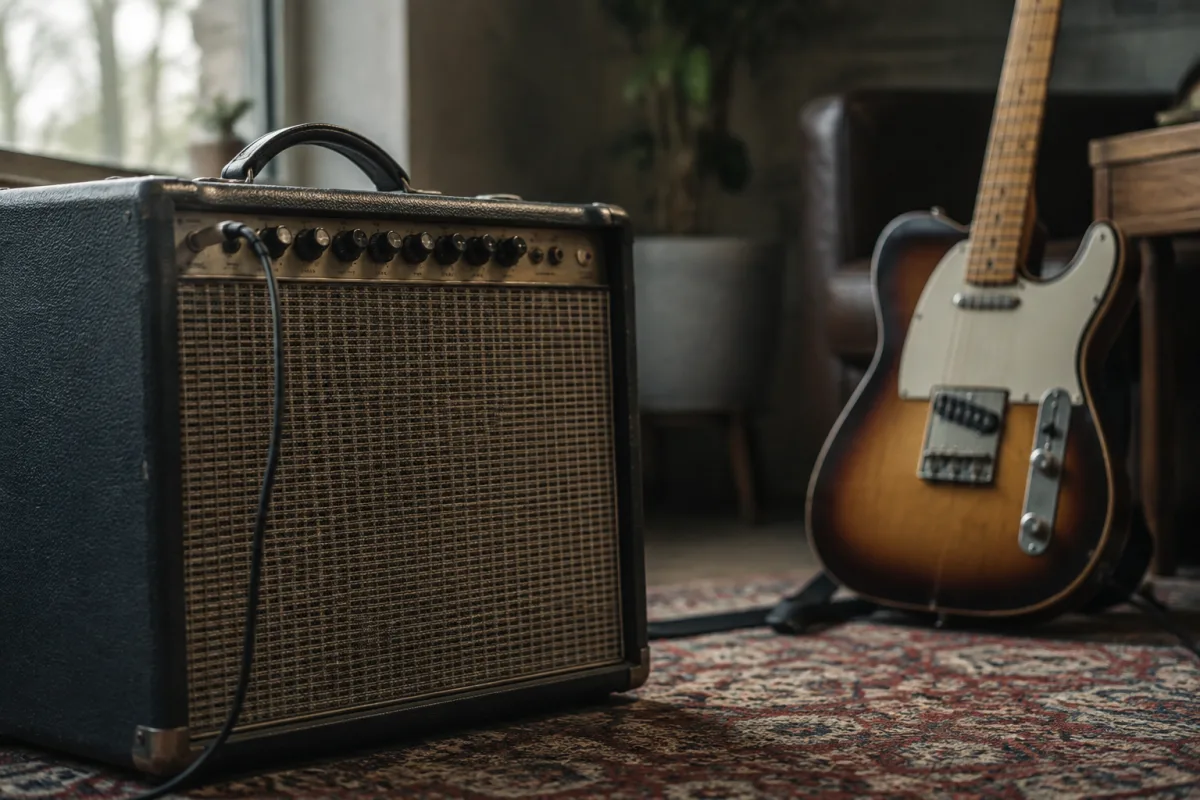
Valve amplifiers remain the gold standard for guitar tone, prized by professionals and enthusiasts for their warm, organic distortion and responsive dynamics. Despite solid-state and digital alternatives, valve amplifiers deliver a musical quality and interactive playing feel that many players consider irreplaceable. Understanding how valve amplifiers work, and which design suits your style, is essential for finding your voice as a guitarist.
Why Valve Amplifiers Sound Different
A valve amplifier uses glass vacuum tubes to amplify your guitar signal. This fundamental difference from solid-state circuits produces harmonic distortion that players describe as "warm," "thick," and "musical." The distortion characteristics of valve amplifiers are forgiving—slight imperfections in your playing feel smooth, not harsh. When you push the tubes hard, the breakup is natural and gradual, not a sudden cliff edge.
Valve amplifiers also interact dynamically with your playing. A solid-state amp sounds the same whether you're playing softly or hard; a valve amplifier responds to your touch. Quieter playing yields cleaner tone; harder attack brings out more natural distortion. This responsiveness is why many players feel more connected to a valve amp—your technique directly shapes the tone you hear.
Tube Types and Valve Amplifier Architecture
The vacuum tubes inside a valve amplifier fall into two categories:
Preamp tubes (typically ECC83/12AX7 or EL84 variants) shape your tone and drive the amplifier. These tubes are fragile and colour the signal significantly. Swapping preamp tubes is the most accessible tone-tweaking mod for any valve amplifier.
Power tubes (EL84, EL34, 6L6, 6V6, or others) handle the heavy lifting, turning the preamp's signal into speaker-shaking volume. Power tube type defines the amp's character: EL84s are punchy and chime; EL34s are thick and warm; 6L6s are bright and cutting; 6V6s are sweet and breakup-friendly. A valve amplifier's power tube set determines its fundamental flavour more than nearly anything else.
Valve amplifiers range from 5 watts (practise-friendly, breakup at reasonable volumes) to 100+ watts (stage and studio work). Wattage correlates loosely with volume—a 20-watt tube amp sounds noticeably louder than a 5-watt, but the relationship is nonlinear. A 50-watt tube amp is less than twice as loud as a 20-watt, not five times.
Valve Amplifier Tone Stacks and Controls
Most valve amplifiers include tone controls (bass, middle, treble) and a presence control. These are not graphic EQ—they're designed to shape the character of the tube breakup itself.
Tone stacks interact with each other. Boosting bass on some amps simultaneously thickens the midrange. This isn't a flaw; it's part of the amp's character. Classic designs like the Fender Blackface stack produce scooped mids; British Marshall stacks offer more midrange presence. Learning your amp's tone stack is part of mastering its voice.
Presence control adjusts how much high-end snap and attack the amp delivers. Higher presence makes the amp more aggressive; lower presence softens the response. Set presence to taste—it affects how your playing sits in a band mix.
Master volume lets you achieve breakup at lower overall volumes. Use it to get crunch at bedroom levels without losing headroom or tone.
Valve Amplifiers: Watts, Headroom and Playing Context
Choosing the right wattage matters:
| Wattage | Typical Use | Character | Breakup Levels |
|---|---|---|---|
| 5–15W | Home, bedroom, small clubs | Breaks up easily, responsive, intimate | At very low volumes |
| 20–30W | Small to medium venues, home recording | Breakup at moderate volumes, still manageable | At moderate volumes |
| 50W+ | Large venues, touring, studio | Requires volume to breakup, maximum headroom | Only at high stage volumes |
Many modern players favour 20–30 watt valve amplifiers as a sweet spot: enough headroom for clean tones and dynamics, but still responsive and breakup-friendly at reasonable volumes.
Maintenance and Reliability of Valve Amplifiers
Valve amplifiers require more care than solid-state amps. Tubes gradually wear and must be replaced—typically every 2–5 years depending on use and tube quality. This is normal and expected, not a design flaw. Budget for tube replacement as a regular maintenance cost.
Valve amplifiers generate significant heat and need ventilation. Never cover the grille or block airflow. Keep the amp away from damp environments; condensation can damage tubes and circuits. Store unplugged valve amplifiers in a cool, dry place during extended downtime.
Most valve amplifiers benefit from a power conditioner or isolation transformer, especially in venues with unstable mains voltage. This extends tube life and protects your investment.
Valve Amplifiers Worth Considering
Several designs have shaped modern guitar tone:
- Fender Deluxe Reverb (tube) — Class A, EL84 power, warm and chimey, legendary clean tone and natural breakup
- Marshall JCM800 — Classic British high-gain, EL34 tubes, thick and aggressive, the template for rock and metal
- Vox AC30 — EL84 power, chiming and spongy, iconic in British rock and indie
- Fender Twin Reverb — 85 watts, Class AB, maximum headroom and clean tone, studio standard
- Plexi Marshall (vintage) — The original rock amp, EL34 tubes, responsive and natural-breaking
- Matchless Chieftain — 30 watts, Class A, smooth and refined, modern classic boutique design
New vs. Vintage Valve Amplifiers
Vintage valve amplifiers (1950s–1970s) are legendary but expensive and unreliable. Tubes age unpredictably; old capacitors fail. A vintage amp requires experienced servicing and carries risk. For £2,000–£5,000, you're buying tone heritage and rarity, not reliability.
Modern valve amplifiers (1980s onward, or new production) use modern tubes and components. They're more reliable, easier to service, and often cheaper. Modern designs also offer refinements: better reverb circuits, switchable wattage, serial effects loops. For most players, a modern valve amplifier is the smarter choice.
Conclusion
Valve amplifiers remain unmatched for responsive, musical tone and the direct connection between playing dynamics and sound. Whether you favour the warm breakup of American Fender designs, the aggressive character of British Marshalls, or the chiming snap of Vox, a quality valve amplifier shapes your voice as a guitarist. Invest in proper maintenance, choose your wattage wisely, and let your valve amplifier show you what your guitar can sound like at its best.



Comments