


Tube Guitar article
Everything You Need to Know About Tube Guitar
Tube guitar amplifiers deliver the warm, responsive tone that has defined electric guitar music for decades.
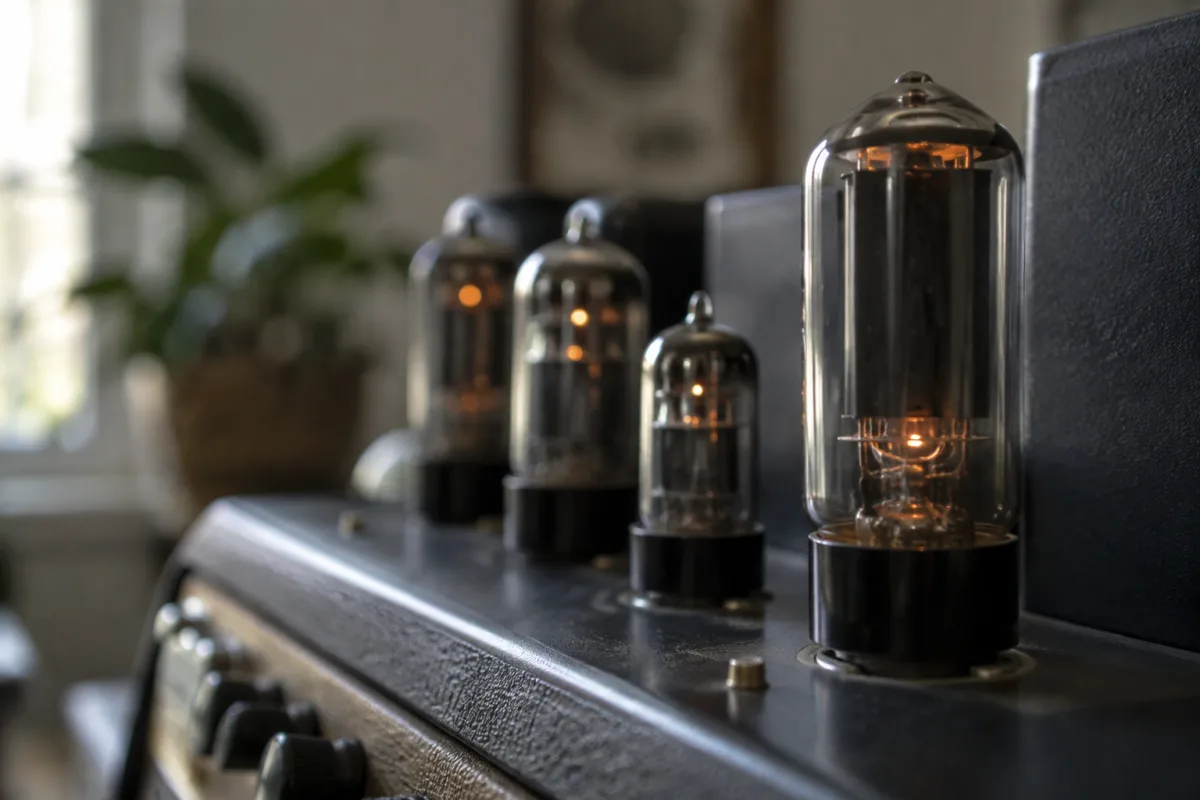
Tube guitar amplifiers represent the gold standard for electric guitar tone. The warm, natural overdrive and dynamic responsiveness of tube circuitry has made these amplifiers a favourite among professional musicians for decades.
The Tube Guitar Amp Advantage
A tube guitar amplifier responds to pick dynamics like no other technology. Light picking produces clean tone; aggressive playing pushes the tubes into pleasant saturation. This natural compression and harmonic enhancement create tones that digital processors still struggle to perfectly replicate.
Tube vs. Solid-State Amplifiers
Solid-state tube guitar amplifiers are cheaper and more reliable, but lack the organic character of tube designs. Tube guitar amplifiers excel at valve-induced warmth and sustain. The trade-off is maintenance: tube guitar amplifiers need periodic tube replacement and biasing.
Wattage and Practicality
A tube guitar amplifier at 100 watts cranked produces ear-splitting volume. Lower wattage tube guitar amplifiers (15–30 watts) offer cranked tones at reasonable levels. Modern tube guitar amplifiers include power scaling for bedroom-friendly operation.
Key Components
Preamp tubes colour tone; power amp tubes handle wattage. A tube guitar amplifier's transformer quality affects frequency response. Carefully matched tubes in a quality tube guitar amplifier deliver superior performance and longevity.
Maintenance and Cost
Tubes in a tube guitar amplifier degrade over time, requiring replacement every 2–5 years depending on usage. Re-tubing costs £100–£500. Biasing a tube guitar amplifier requires professional service. Budget for ongoing maintenance when owning a tube guitar amplifier.
Classic Tube Guitar Amp Models
Fender Deluxe Reverb, Marshall JCM800, and Vox AC30 are legendary tube guitar amplifiers. Modern boutique tube guitar amplifiers like Orange and Mesa/Boogie continue this tradition with refinements.
New vs. Vintage Tube Guitar Amps
Vintage tube guitar amplifiers offer iconic tone but require restoration. Modern tube guitar amplifiers offer reliability with period accuracy. Choose based on budget, reliability needs, and tonal preferences.
Tone Shaping
A tube guitar amplifier's EQ section responds differently than digital tone shaping. Experimenting with different tubes, speaker cabinets, and EQ settings yields endless tonal possibilities. Many players dedicate years to perfecting their tube guitar amplifier tone.
Reliability Considerations
Modern tube guitar amplifiers are reliable when properly maintained. Vintage units may have component issues requiring specialist repair. Factor in restoration costs when purchasing older tube guitar amplifiers.
Recording with Tube Guitar Amps
A tube guitar amplifier's slight compression makes guitars sit beautifully in mixes. Recording tone often improves with a tube guitar amplifier compared to digital amp modelling in professional settings.
Live Performance
Touring musicians favour tube guitar amplifiers for their consistency and audience-pleasing tone. Stage volume from a tube guitar amplifier projects naturally into venues without harsh digital artifacts.
Conclusion
A tube guitar amplifier remains the ultimate expression of electric guitar tone. Whether investing in a vintage classic or modern boutique tube guitar amplifier, the experience justifies the cost and maintenance. If tone is your priority, a tube guitar amplifier delivers uncompromising quality.





Comments