


Tc Electronic Boost Buying guide
Tc Electronic Boost: A Complete Buyer's Guide
Shopping for a boost pedal? This guide explains TC Electronic's boost options, key specs to consider, and how to choose the right one for your needs and budget.
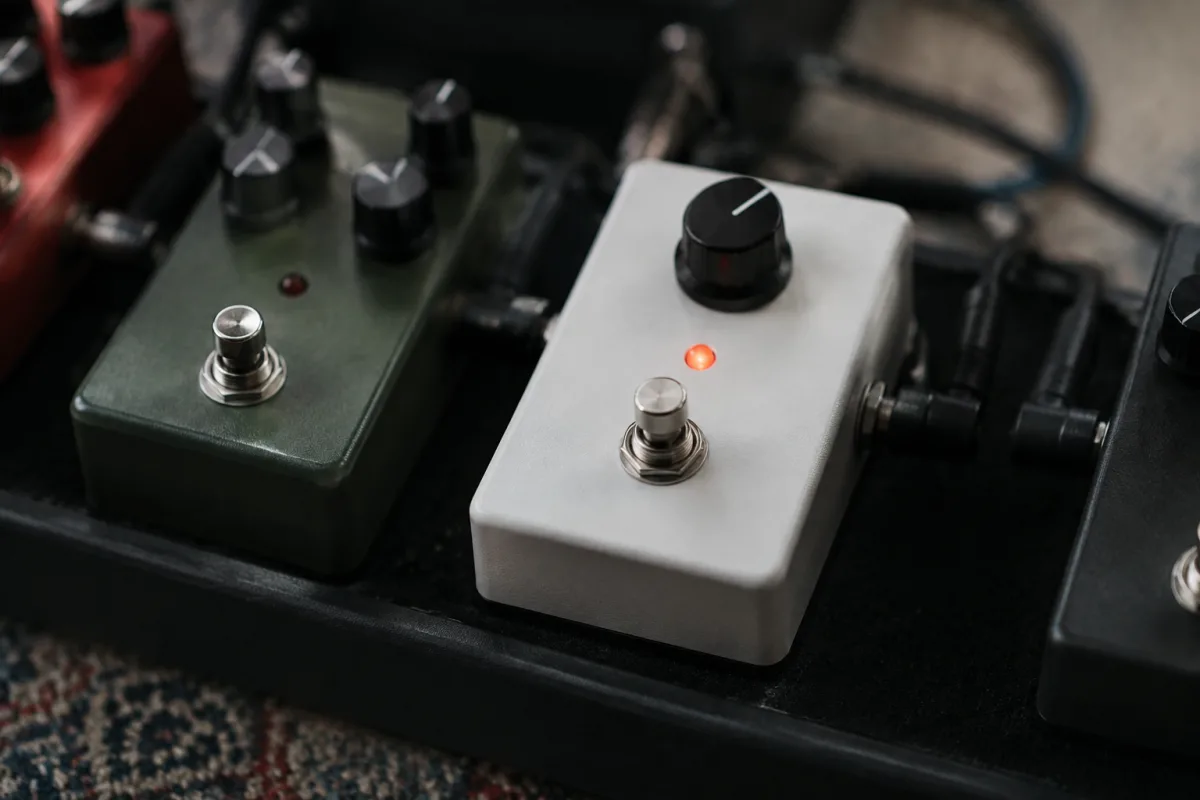
Looking to add a boost pedal to your pedalboard? TC Electronic's boost options have earned serious respect amongst guitarists precisely because they deliver tangible results without unnecessary complexity. But choosing the right boost pedal requires understanding what you actually need it to do, which specs matter, and how to avoid expensive mistakes. This buying guide cuts through the options and helps you make a confident decision.
What a Boost Pedal Actually Does
A boost pedal amplifies your guitar signal. That simplicity belies genuine usefulness. Here's why guitarists buy them:
A boost adds volume when you need it—stepping on it during a solo cuts through the mix. A boost can overdrive your amp's front end, adding sustain and aggression without changing the underlying tone. A boost can push a clean amp toward breakup territory. Different boost pedals emphasise different characteristics, which is why choosing wisely matters.
TC Electronic's reputation comes from making boosts that sound musical rather than clinical. They enhance your tone rather than just making it louder. That's worth understanding when comparing options.
Key Specs to Understand Before Buying
Don't get lost in unnecessary technical details. Focus on what actually matters:
- Gain range: How much amplification can the pedal provide? Range from 6dB to 24dB is typical. More range means more flexibility, but you don't need extreme ranges for most applications. 12-18dB covers almost everything.
- Input impedance: How well does the pedal interact with your guitar and other pedals? Higher impedance is generally better for tone preservation. Look for 1M ohm or higher. This matters more if you're chaining multiple pedals.
- Frequency response: Does the boost emphasise certain frequencies? Some boosts brighten the tone, others add warmth. Check reviews or demo videos to hear the character. TC Electronic typically maintains your original tone while adding volume.
- True bypass or buffered output: True bypass connects your signal directly to the next pedal when off (preserves tone). Buffered output keeps the signal active (helps long cable runs). Most modern pedals do this well; check if it matters for your specific setup.
- Power requirements: Does it run on batteries, USB, or 9V power supply? Check compatibility with your existing pedal power setup.
TC Electronic's Boost Pedal Range
TC Electronic makes several boost options. Understand the differences:
- Spark Boost: The entry-level option. Simple, affordable, genuinely effective. Perfect if you want a straightforward boost without extra features. Reliable workhorse option.
- Spark Dyna Boost: Adds dynamic response to the boost. The harder you play, the more the boost responds. Subtle but useful for touch-sensitive players who want the boost to feel natural.
- Plonk Boost: Aimed specifically at bass players. Bass-optimised EQ and gain structure. Only choose this if you play bass.
For most guitarists, the Spark Boost delivers everything needed at an excellent price. The Spark Dyna Boost adds sophistication if you want dynamic responsiveness.
Choosing Your Boost: The Practical Buying Framework
If you want straightforward volume boost: The Spark Boost. Simple, affordable, does exactly what you need. No learning curve, no confusing features.
If you want to push your amp into overdrive or distortion: Still the Spark Boost or Spark Dyna Boost. Both work excellently for this. The Dyna Boost gives you subtle dynamic shaping if your amp is touch-sensitive.
If you want the boost to respond to your playing dynamics: Spark Dyna Boost specifically. The dynamic sensitivity transforms how natural the boost feels when you play.
If you chain multiple pedals and want tone preservation: Any TC Electronic boost works. They handle impedance correctly. Focus more on the boost character that suits your other pedals.
If you play bass: Plonk Boost. It's designed for bass frequency response and needs.
What Specs Actually Matter vs. Marketing Hype
Forget:
- Brand prestige—TC Electronic is respected; you don't need to overpay for name recognition
- Extreme gain ranges—you probably won't use 20+ dB of boost; 12-15dB covers real-world use
- Vintage aesthetics—the pedal's appearance doesn't affect how it sounds
- Unnecessary controls—more knobs don't mean better results, just more complexity
Focus on:
- How it sounds in demos—does the boost character suit your tone?
- Compatibility with your power setup—nine-volt or USB?
- Reliability—TC Electronic pedals hold up; this isn't a concern
- Price-to-value—TC Electronic is fairly priced; you're getting quality
Common Buying Mistakes to Avoid
Learn from others:
- Buying a boost "just in case" without understanding your needs: A boost without a clear use case collects dust. Know why you want one before spending money.
- Assuming more expensive equals better: TC Electronic's more affordable boosts are genuinely excellent. Premium pricing doesn't deliver proportional improvement.
- Choosing based purely on specs without hearing it: Watch demo videos. Different boosts have different characters. Specs don't reveal musicality—only listening does.
- Buying a bass boost when you play guitar (or vice versa): The frequency optimisation matters. Get the right instrument version.
- Thinking a boost replaces a proper overdrive pedal: They're different tools. A boost pushes existing tone; an overdrive changes it fundamentally. Don't conflate them.
Budget Tiers and What You Get
Budget tier (£40-70): Spark Boost. Genuinely excellent value. Does the job perfectly. This is where beginners and many professionals live.
Mid-tier (£70-120): Spark Dyna Boost adds dynamic sensitivity and slight character enhancement. Worth it if you're particular about feel and responsiveness.
Premium tier (£120+): Specialty versions or boutique models from TC Electronic. For most purposes, this represents diminishing returns.
Most guitarists should be shopping in the budget to mid-tier range. Premium pricing rarely justifies itself for boost pedals.
The Decision-Making Process
- Define your specific need: volume boost? Amp overdrive? Tone shaping?
- Watch demo videos of the specific TC Electronic model in use
- Check compatibility with your power setup (9V or USB)
- Read user reviews focusing on real-world reliability, not just tone preferences
- If possible, try before buying (many retailers allow this)
- Remember: you can't make a wrong choice with TC Electronic; they're all good
Final Buying Recommendations
For 90% of guitarists looking to buy a TC Electronic boost: start with the Spark Boost at budget price. You'll use it for years and wonder why you didn't buy it sooner. If you play bass, get the Plonk Boost. If you're particular about dynamic responsiveness, jump to the Spark Dyna Boost.
The remarkable thing about TC Electronic boosts is that there's genuinely no wrong choice in their range. Pick one and you'll be happy. Once you've bought and used your boost for a while, explore the complete guide to TC Electronic boosts for advanced techniques and tone-shaping tricks.


Comments