


Strymon Effects Buying guide
Strymon Effects: A Complete Buyer's Guide
Learn how to choose the right Strymon effects for your needs. Compare specifications, price points, and models in this comprehensive buying guide.
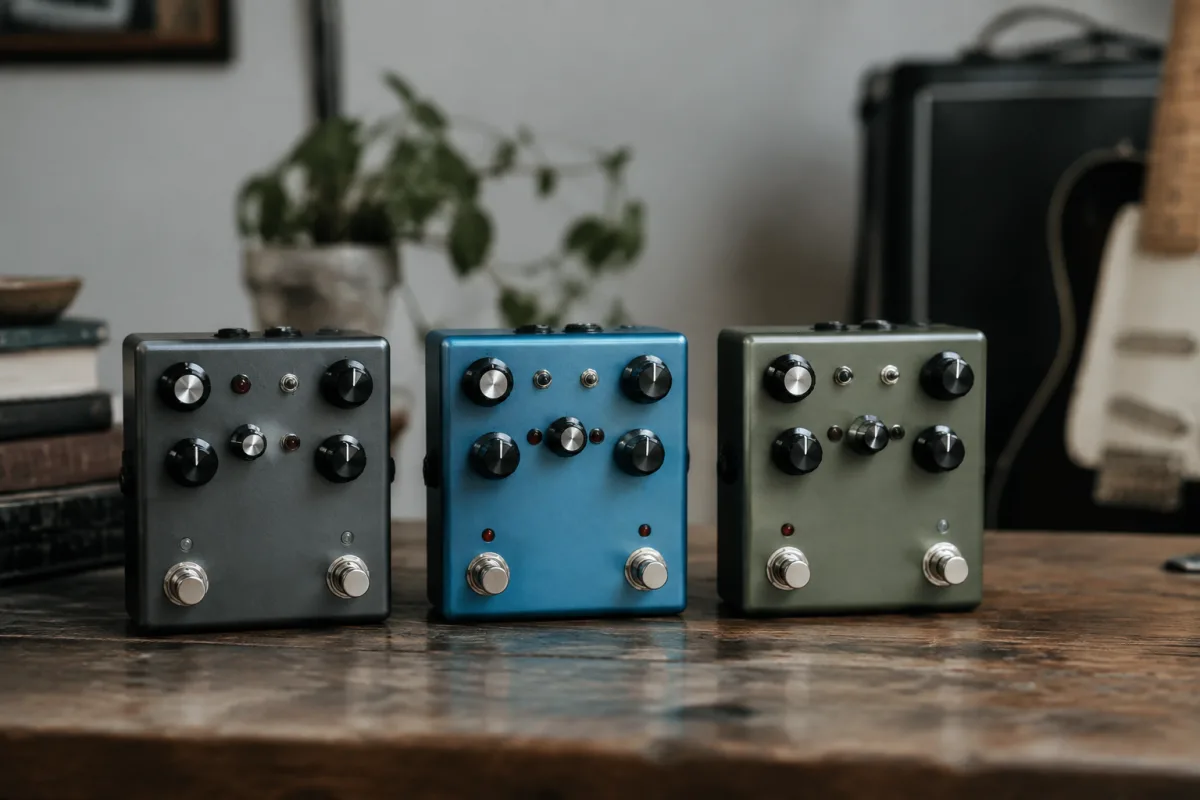
Strymon effects represent some of the most sophisticated and respected digital effects available to guitarists today. Whether you're upgrading from basic pedals or building a professional pedalboard, understanding the Strymon effects lineup is essential for making informed purchasing decisions. This guide walks you through the key considerations when choosing Strymon effects, helping you navigate specifications, price points, and which pedals suit different playing styles and budgets.
Understanding Strymon Effects Categories
Strymon effects fall into several distinct categories, each serving different creative purposes. Before selecting specific Strymon effects, you should identify which categories match your needs. The company's effect types include reverbs, delays, modulation effects, and multifunctional devices that combine multiple effect types.
Reverb and delay are the foundation of most Strymon effects pedals. Their reverbs are particularly celebrated for recreating everything from vintage spring reverb to lush ambient spaces. Similarly, Strymon effects in the delay category range from classic tape echo simulations to ambient soundscapes. Understanding which reverb or delay from the Strymon effects range suits your aesthetic is crucial before committing to a purchase.
Key Specifications to Compare
When evaluating Strymon effects, several technical specifications distinguish models and justify their pricing tiers. First, consider the processing engine—different Strymon effects models offer varying computational power, which affects how many simultaneous effects you can stack. Some Strymon effects allow dual algorithms, while others run single-algorithm configurations.
Input and output options vary significantly across Strymon effects. Higher-end Strymon effects may include balanced XLR outputs, optical SPDIF, MIDI connectivity, and expression pedal inputs. More affordable Strymon effects typically offer standard audio I/O. Footswitch configuration is another critical difference—some Strymon effects models include dedicated knobs for real-time parameter adjustment, while others require menu diving.
Display quality matters more than you might think. Premium Strymon effects include large, bright LCD screens with clear menus, whereas budget-conscious Strymon effects may have smaller displays. Battery life is another consideration if you're using Strymon effects in unplugged settings.
Price Tiers and What You Get
Strymon effects span a wide price range, generally falling into three tiers:
- Entry-Level Strymon Effects (£200-350): These Strymon effects offer exceptional quality for the price, typically focusing on a single effect type with solid algorithms. Examples deliver excellent reverb or delay with limited stacking options but outstanding sound quality.
- Mid-Range Strymon Effects (£350-600): This range represents the sweet spot for many players. Mid-range Strymon effects provide more algorithm options, better controls, and enhanced connectivity. You'll find more flexibility in tweaking parameters and often more built-in effects variations.
- Premium Strymon Effects (£600+): Top-tier Strymon effects offer maximum processing power, extensive stacking capabilities, professional I/O options, and comprehensive MIDI control. These Strymon effects are designed for touring musicians, recording studios, and players who demand complete creative control.
Common Purchasing Pitfalls
Many guitarists make mistakes when selecting from the Strymon effects catalogue. Avoid buying based on brand reputation alone—while Strymon effects are universally respected, not every model suits every player. A reverb-focused guitarist might not benefit from ambitious delay Strymon effects, for instance.
Don't underestimate the importance of hands-on testing. Strymon effects sound different depending on your amp, guitar, and playing style. What sounds lush in a showroom might feel too tweaked in your bedroom setup. If possible, demo Strymon effects before purchasing or buy from retailers with return policies.
Another common mistake is underestimating power requirements. Many Strymon effects demand more current than budget power supplies deliver. Always verify that your pedalboard power solution can handle your Strymon effects, or you'll experience dropouts and instability.
Overlooking connectivity needs is another pitfall. If you're integrating Strymon effects into a MIDI-controlled pedalboard, ensure your chosen Strymon effects models include MIDI implementation. Some players buy Strymon effects only to find they lack the connectivity their setup demands.
Matching Strymon Effects to Your Playing Style
Ambient and experimental players should prioritize Strymon effects with extensive parameter control and long reverb/decay times. Look for models offering algorithmic reverb and granular effects. Classic rock and blues players typically prefer Strymon effects emphasizing warm, vintage-sounding reverbs and delay algorithms.
Metal and alternative guitarists often benefit from Strymon effects with modulation capabilities and heavily processed reverbs. Consider Strymon effects that allow stacking multiple algorithms simultaneously for layered textures. Jazz players might want Strymon effects offering nuanced, controlled reverbs that sit naturally in a mix without overwhelming the dry signal.
Integration with Your Existing Setup
Before purchasing Strymon effects, audit your current pedalboard. Check physical space availability—some Strymon effects pedals are compact, while others demand considerable real estate. Verify your power supply's capacity; many budget power supplies cannot reliably run demanding Strymon effects.
Consider your signal chain workflow. Strymon effects typically work best in specific chain positions. Reverbs and delays traditionally go at the end of the chain, while modulation effects sit earlier. Some Strymon effects offer multiple algorithms and can function in various positions, adding flexibility to your setup.
New vs. Used Strymon Effects
The used market for Strymon effects is robust, often offering significant savings. However, purchase used Strymon effects cautiously. Verify firmware versions—older Strymon effects may lack enhancements released in newer updates. Check that all original accessories are included, particularly power supplies specific to certain Strymon effects models.
Buying used Strymon effects from reputable dealers provides warranties, whereas private sales typically don't. Factor this protection into your decision-making process. New Strymon effects offer peace of mind and current firmware but command premium pricing.
Strymon Effects Investment Value
Strymon effects represent solid investments in gear. These pedals retain resale value exceptionally well compared to budget alternatives, meaning your Strymon effects purchase won't depreciate dramatically. This durability and consistent demand make Strymon effects practical long-term investments rather than impulse purchases you'll regret.
Making Your Final Decision
Start by clarifying your primary needs. Do you want Strymon effects primarily for reverb, delay, or both? How much hands-on control do you need? Will your Strymon effects integrate with MIDI systems? What's your realistic budget?
Once you've answered these questions, research specific Strymon effects models matching your criteria. For deeper context on individual pedals and technologies, explore our complete guide to Strymon effects, which covers each model in detail.
Test Strymon effects whenever possible before committing funds. Even experienced players benefit from hands-on evaluation of how Strymon effects interact with their particular setup. With thoughtful consideration of these factors, you'll select Strymon effects that genuinely enhance your playing for years to come.
Conclusion
Purchasing Strymon effects requires balancing your musical needs, budget, and technical requirements. By understanding the different categories of Strymon effects available, evaluating key specifications, avoiding common pitfalls, and honestly assessing how Strymon effects fit your playing style and pedalboard setup, you'll make a purchase you'll genuinely use and enjoy. Whether you opt for entry-level or premium Strymon effects, you're investing in some of the finest effect pedals available.


Comments