


Solid State Logic Desk Buying guide
Solid State Logic Desk: A Complete Buyer's Guide
A comprehensive buying guide for Solid State Logic mixing desks, covering models, specifications, budget considerations, and purchasing pitfalls.
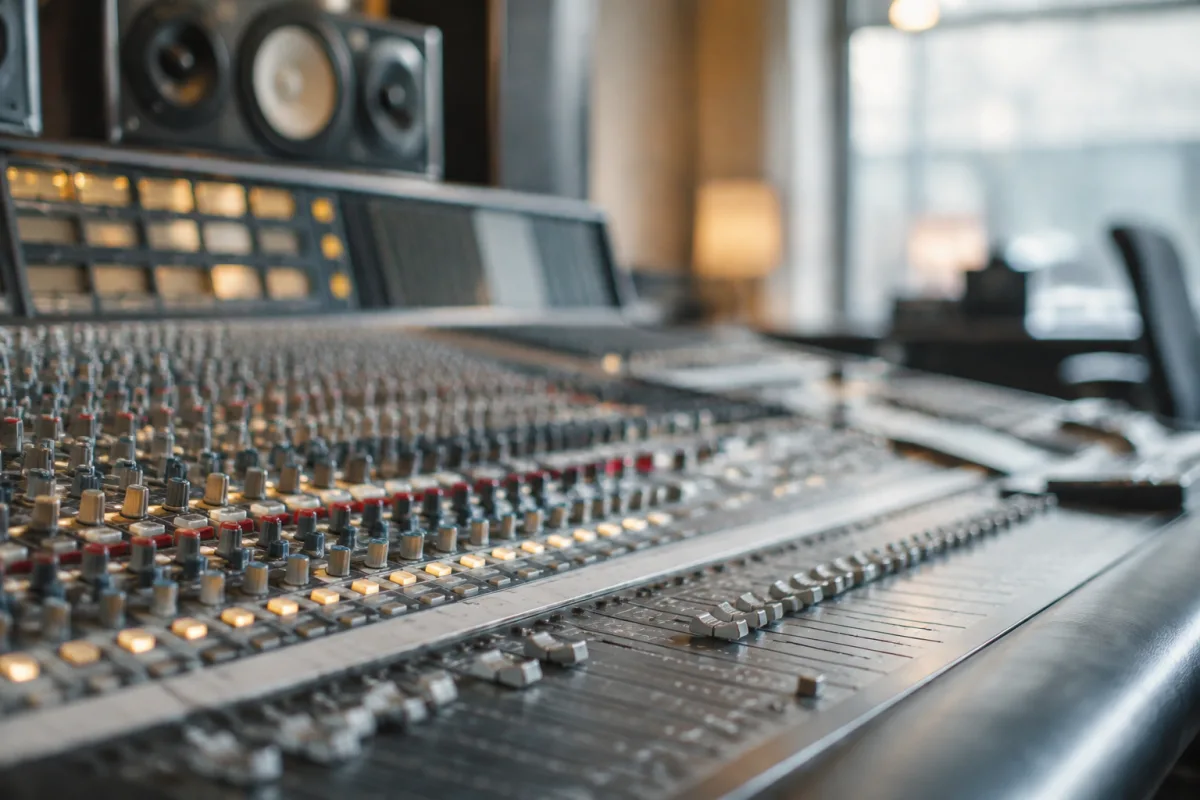
Purchasing a Solid State Logic mixing desk represents a significant investment in professional audio capability. Whether you're establishing a recording studio, upgrading an existing facility, or equipping a live performance environment, navigating SSL's product range demands understanding specifications, budget considerations, and practical requirements. This guide focuses exclusively on purchasing decisions: which SSL desk models suit specific applications, critical specifications to evaluate, budget brackets, and the pitfalls that hobble most first-time SSL buyers.
SSL Desk Categories and Market Positioning
SSL manufactures mixing consoles across several product tiers, each serving distinct professional markets. The UMX9 and UMX16 represent entry-level compact models, offering genuine SSL sound processing in portable formats suitable for small studios, post-production facilities, and touring systems. These models cost £80,000-150,000 and provide excellent value for applications prioritising portability and reasonable channel counts. The Alphalink MADI and 4K E provide mid-range options with expanded channel capacity and advanced routing capabilities, priced £200,000-400,000. The 9000 series represents flagship studio consoles with maximum I/O density, premium summing capabilities, and unlimited expansion potential, typically £400,000-800,000+ depending on configuration. Understanding which tier matches your facility needs prevents wasteful overspending on unnecessary features.
Critical Specifications for Desk Selection
Most SSL buyers fixate on irrelevant specifications whilst ignoring practical considerations. Channel count matters primarily: compact desks typically feature 12-24 primary channels, whilst mid-range systems offer 32-56 channels, and flagship consoles scale to 128+ channels. Evaluate your typical session size honestly; oversizing wastes budget on unused resources. I/O configuration determines compatibility with your recording hardware; MADI, AES/EBU, and Dante connectivity each serve different facilities. Confirm the desk's I/O matches your existing infrastructure before purchasing. Expandability potential matters for future growth; SSL desks vary significantly in upgrade potential. Premium metering capabilities, automation systems, and integrated recall functions distinguish higher-priced models from entry-level alternatives—evaluate which features genuinely enhance your workflow.
Budget Brackets and What You Actually Receive
Entry-level SSL desks (£80,000-150,000) deliver the signature SSL sound processing and excellent build quality but feature fewer channels and limited I/O expansion compared to premium models. Mid-range systems (£200,000-400,000) provide expanded channel capacity, comprehensive routing options, and professional-grade metering suitable for most commercial facilities. Premium consoles (£400,000-800,000+) offer maximum channel density, extensive automation capabilities, and integration with modern DAW workflows via ethernet connectivity. Used entry-level and mid-range SSL desks often appear at 30-50% discounts compared to new pricing; this represents genuine value if condition and maintenance history check out. Certified refurbished models from authorised SSL dealers carry manufacturer guarantees and cost 15-25% less than new equipment.
Evaluating Your Facility Requirements Honestly
Most SSL purchasers significantly overestimate their facility needs, resulting in expensive equipment collecting dust. Begin by documenting your typical session requirements: average channel count, simultaneous recording needs, mixing complexity, and client expectations. A small independent studio recording solo artists and acoustic bands genuinely requires 12-16 channels maximum; oversizing to 32 channels wastes £150,000+ on unused capability. Conversely, a commercial facility recording full orchestras and supporting simultaneous mixing sessions needs premium channel density and routing flexibility. Rental houses and post-production facilities benefit most from flagship models capable of supporting diverse project types. Honest assessment prevents purchasing inappropriate models.
Pitfalls to Avoid When Purchasing SSL Desks
Experienced studio operators and first-time SSL buyers alike repeat predictable mistakes that compromise purchasing decisions. First, many evaluate desks purely on specification sheets without hands-on testing. The SSL desk that looks impressive in marketing materials may feel uncomfortable during 12-hour mixing sessions. Request demonstration access before finalising purchase; many facilities provide trial periods. Second, many buyers ignore maintenance history of used equipment, discovering expensive repair requirements after purchase. Obtain complete service records and have independent technician inspection before commitment. Third, purchasers frequently neglect to verify I/O compatibility with existing infrastructure; incompatible digital connectivity transforms an expensive purchase into a brick. Fourth, many overestimate growth potential and purchase flagship models anticipating expansion that never materialises; start appropriately sized rather than vastly oversized.
New Versus Used Equipment Considerations
Used SSL desks represent excellent value if condition, maintenance history, and remaining operational lifespan merit consideration. Vintage SSL models from the 1980s-1990s remain reliable and sought-after for their sonic character; these typically cost £40,000-100,000 depending on condition and vintage. However, ageing equipment requires periodic maintenance and eventual component replacement; factor £5,000-15,000 annual service costs into ownership calculations. New entry-level SSL models cost approximately £100,000-120,000 for genuine equipment, though grey-market imports available online cost considerably less. These grey-market purchases often void manufacturer warranty and complicate future service access. Authorised dealers, though more expensive, provide warranty support and professional installation assistance that justifies premium pricing.
Integration with Digital Recording Systems
Modern SSL desks feature integration capabilities with Pro Tools, Logic Pro, and other DAW platforms via Dante or euCON protocols. These integration features simplify mixing workflows, enabling console automation to drive DAW parameters and vice versa. Confirm your existing DAW software supports the SSL model's native integration protocols before purchase; incompatibility requires costly workarounds. Ethernet-based I/O (Dante, AES67) provides superior flexibility compared to older MADI-only systems; prioritise these capabilities if you anticipate DAW integration.
Space and Infrastructure Planning
For additional comprehensive information on SSL desks and alternative mixing console options, explore our complete guide to solid state logic desks, which covers technical specifications, historical models, and detailed feature comparisons.
Larger SSL desks require dedicated space: premium models typically occupy 3.5-4 meter console lengths and demand 1.5 meters of working depth. Confirm your facility provides adequate physical space before ordering. Electrical infrastructure matters significantly; professional desks require dedicated 20-30 ampere circuits and uninterruptible power supply backup. Consultation with a professional installer prevents costly facility modifications post-purchase.
Conclusion
Purchasing an SSL mixing desk demands careful evaluation of facility requirements, honest assessment of channel and I/O needs, and realistic understanding of budget constraints. Entry-level SSL models (£80,000-150,000) suit small independent facilities; mid-range systems (£200,000-400,000) serve most commercial operations; flagship consoles (£400,000+) maximise flexibility for diverse project types. Avoid oversizing equipment to anticipated growth that may never materialise. Test equipment during trial periods before finalising commitment. Evaluate maintenance history on used equipment carefully. Prioritise I/O compatibility with existing infrastructure. Used desks offer genuine value if condition and service history merit confidence. Your SSL investment remains productive for 20+ years when selected appropriately for your specific facility needs.


Comments