
Roland Pianos article
The Complete Guide to Roland Pianos
Roland pianos deliver authentic acoustic piano experience with digital convenience. Whether practice, performance or production, discover the right Roland model for your needs.
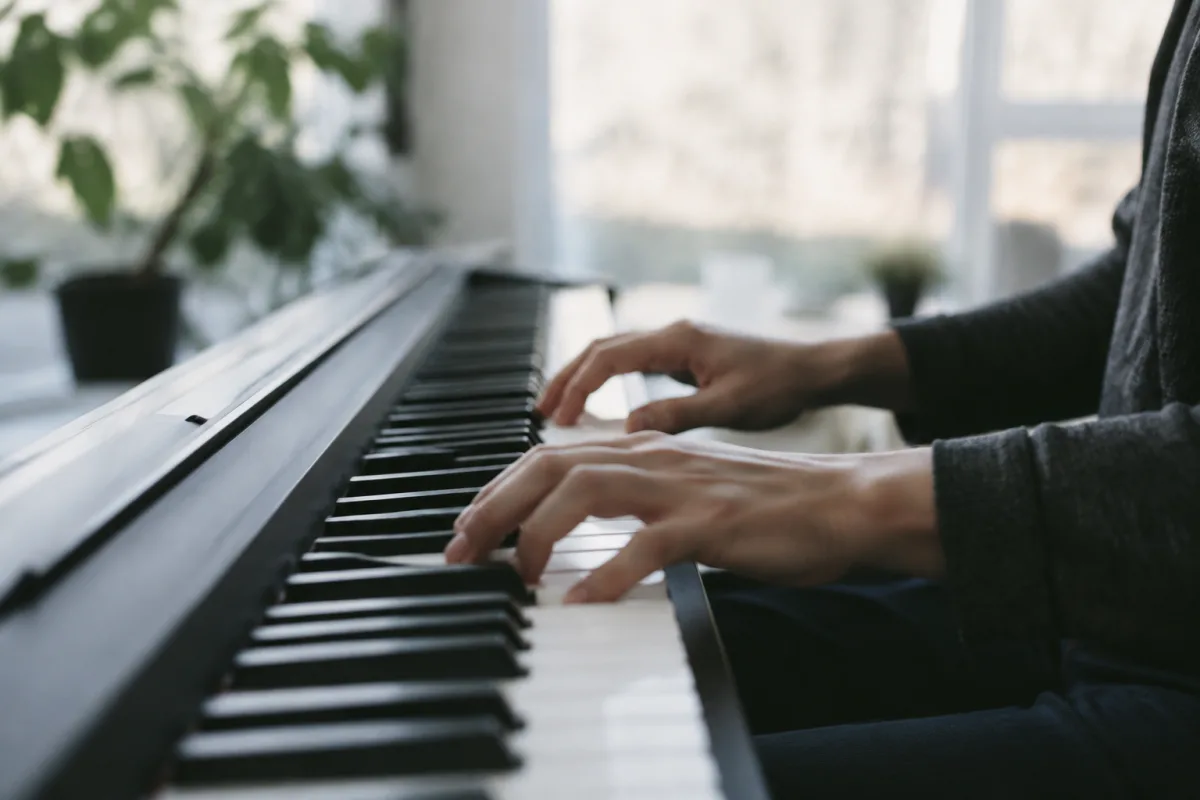
Roland digital pianos have set the standard for sound and feel for decades, delivering professional-grade performance at accessible prices. Whether you are a classical pianist seeking practice and performance alternatives to acoustic instruments, a composer integrating keys into modern production, or a gigging musician needing a portable yet high-quality instrument, they offer surprising depth and character at multiple price points.
Why Choose Roland Pianos?
These instruments combine acoustic authenticity with digital convenience. Unlike budget alternatives, Roland invests in speaker systems and sampling technology that captures real tonality—the subtle decay, harmonic complexity and resonance that make acoustic instruments beloved. They also integrate seamlessly with music production software, offering USB audio and MIDI capabilities that traditional pianos cannot match.
Popular Series and Models
| Series | Price Range | Best For |
|---|---|---|
| FP Series | £200–400 | Portable players, bedroom producers, beginners |
| RP Series | £400–800 | Home practice, serious amateurs, small venues |
| HP Series | £800–1500 | Advanced pianists, home studios, teaching |
| V Series | £1500–3500 | Professional performers, concert venues, recording |
| RD Series | £2000–8000 | Stage keyboards, live touring, professional studios |
Key Features of Roland Pianos
SuperNATURAL engine: Roland's proprietary sound engine models real piano acoustics—the sympathetic string resonance, pedal effects and hammer mechanics that make a real piano sing. Roland pianos sound significantly more organic than competitors at the same price point.
KeyTouch technology: The keyboard action mimics acoustic piano weighted keys—heavier in the lower register, lighter at the top. This helps pianists maintain proper technique and translates real piano practice to digital performance.
Connectivity: USB audio and MIDI connectivity allows seamless integration with DAWs and music software. Roland pianos function as both standalone instruments and as controllers for laptop-based production.
Speaker systems: Roland pianos include quality onboard speakers (rather than relying on cheap internal audio). Higher-end models deliver true stereo sound that fills a room.
Popular Models Across the Range
FP-30X (£250–350): The portable workhorse. Lightweight, 88 weighted keys, USB audio and stunning professional sound for the price. Beloved by gigging players and travelling composers.
RP102 (£500–600): A bedroom studio favourite. Built-in stand, triple-pedal system and premium sound. Ideal for serious enthusiasts seeking authentic practice and performance experience at home.
HP702 (£1200–1500): Blurs the line between consumer and professional. Excellent for advanced players, teaching studios and home concert use. The speaker system and action feel genuinely premium.
V-Piano (£2500–3500): Professional concert instrument. Modelling technology, comprehensive sampling, and keyboard action that rivals acoustic instruments. Used on touring stages and in recording studios.
Roland Pianos vs. Competitors
Yamaha P-Series and Kawai ES-Series offer similar features at comparable prices. However, Roland pianos tend to deliver warmer, more resonant sound and feel particularly solid in their construction. Steinway's digital pianos (Empire, Spirio) offer unmatched acoustic authenticity but at £15,000+. For most users, Roland pianos offer the best balance of sound, feel and price.
Sound Quality and Versatility
These instruments excel at reproducing not just piano tone, but contextual performance—the subtle way a real pianist's touch shapes sound. The SuperNATURAL engine captures this with remarkable success. Additionally, they include hundreds of other instrument sounds (electric pianos, strings, bells), making them versatile for composers working in multiple genres.
Maintenance and Longevity
Unlike acoustic alternatives, these instruments require no tuning, regulation or climate control. Dust them regularly and protect from extreme temperatures and humidity. Digital options have no mechanical parts to wear out—theoretically, they can function indefinitely. In practice, speakers and electronics age gracefully; models purchased 15+ years ago still perform reliably today.
Roland digital pianos offer the best of both worlds: authentic sound and digital convenience. Whether for learning, performing or creating, they deliver professional quality at prices that make high-grade keyboard music accessible to everyone.


Comments