
Roland Jc 22 Amp article
The Complete Guide to Roland Jc 22 Amp
The Roland JC-22 amp is a masterclass in doing one thing brilliantly: delivering world-class clean tone and effects in a portable, affordable package. If transparent tone and genuine reverb matter to you, this is an amp worth serious consideration.
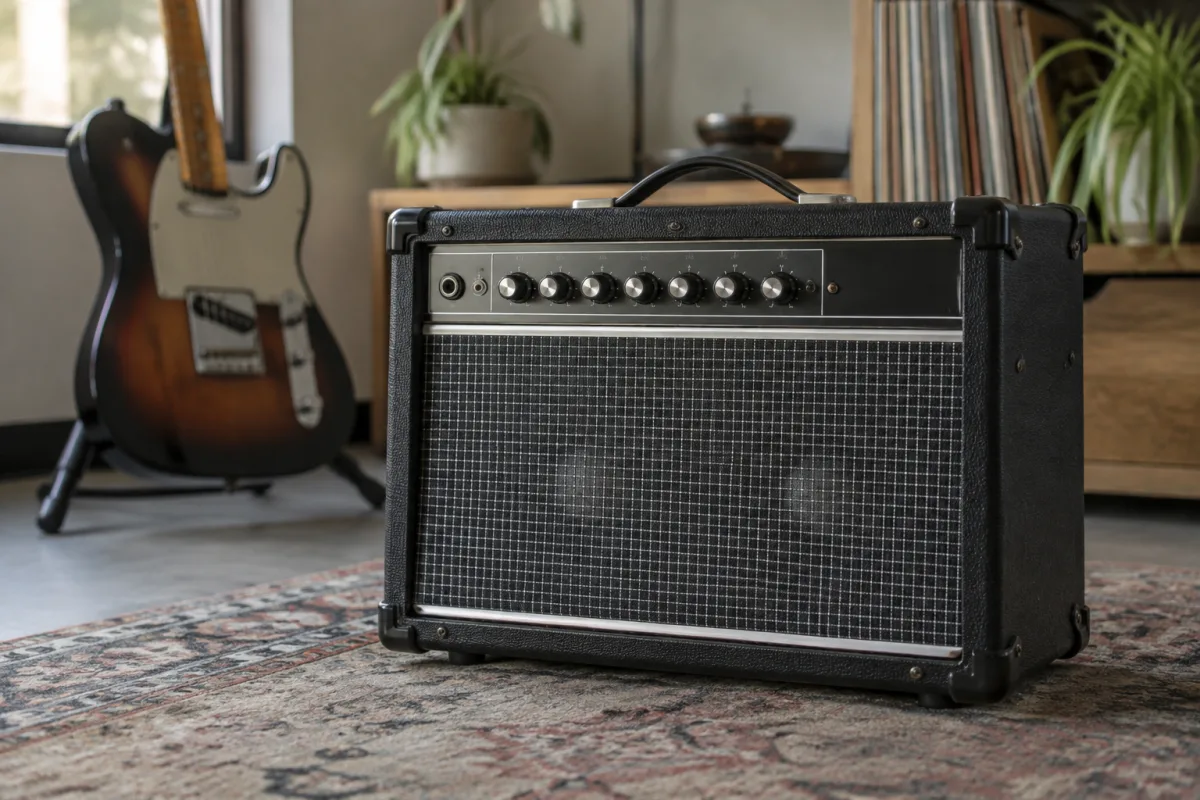
This iconic combo is the sweet spot of guitar amplification: enough clean tone for bedroom recording and intimate venues, with onboard effects that would have cost a small fortune just ten years ago. If you're a guitarist looking for transparent, characterful sound without lugging a stack, the Roland JC-22 amp punches well above its 22-watt weight class.
What Makes This Amp Special?
Roland's JC-series (Jazz Chorus) is famous for one thing: pristine, hi-fi clean tone. The model delivers exactly that — a crystal-clear clean channel with superb headroom, so your guitar's natural character comes through without distortion. It's built for players who care about transparency, not crunch. The 22-watt output is modest by modern standards, but don't mistake quietness for weakness: this combo is louder than you'd expect, and it's perfectly adequate for a bedroom studio, a small gig, or as a practice rig.
The real revolution, though, is the reverb. This combo incorporates spring reverb — the same liquid, spacious reverb that defined legendary studio amplifiers. Combined with a lush built-in chorus effect (its signature sound), you're getting a tonal palette that only expensive stacks could previously afford. For £400–500, you're getting decades of expertise distilled into this package.
This design philosophy pursues compromise-free tone at a human scale. It's not trying to be a metal monster or a warm jazz voice. This rig wants to be a professional tool in a box small enough to carry comfortably.
Clean Tone and Headroom: The Heart of the Rig
The amp excels at what few small amps do: it stays clean. Turn the volume up and the tone doesn't collapse into distortion like lesser combos. Instead, it just gets louder, cleaner, more articulate. Your fingers' dynamics shine — play softly and the amp responds softly; dig in and you get responsive aggression without the tone breaking up.
This headroom is crucial for modern playing. Whether you're layering subtle effects, playing fingerstyle jazz, or strumming percussive chords, the Roland JC-22 amp doesn't colour what you're doing. It simply amplifies it, faithfully. For a bedroom guitarist, this means you can achieve professional recording tone at any volume.
The clean channel is the only channel on this amp — there's no separate drive or lead channel. This is deliberate. If you want breakup, you add it via pedals. This design philosophy keeps everything simple, reliable, and focused on what the amp does best.
Effects: Reverb and Chorus Built In
This is where the amp separates from the herd. The reverb is proper spring reverb, not a cheap digital simulation — it has the decay, the wash, and the spatial character that made Fender Twins legendary. You get a dedicated reverb knob with a wide range: from subtle room ambience to full cathedral wash. It's genuinely musical.
The chorus effect is the amp's signature voice. It's warm, wide, and analog, with a distinctive shimmer that sits perfectly under clean jazz chords or floaty acoustic playing. The depth and speed are adjustable, letting you dial anywhere from barely-there chorus to a swirling, almost wobbling effect. Many players buy this rig just for this chorus voice.
A foot switch (included) gives you separate control over reverb and chorus, so you can switch between tones during a gig or recording session. That's professional-grade usability in a 22-watt package.
Size, Portability, and Practicality
At roughly 55cm wide and 13kg, this amp is a genuine one-person carry. It fits in a car boot easily, sits comfortably on a bedroom shelf, and doesn't require reinforced floorboards. The cabinet is sturdy, the handle is solid, and the overall build quality is excellent — this rig will outlive most of us if treated with basic respect.
The single 30cm speaker might sound limiting, but it's a quality driver that reproduces the full frequency range. Unlike some single-speaker amps, this combo doesn't sound thin or boxy. The cabinet design and speaker choice mean you get surprising depth and punch for the size.
For connectivity, the amp offers a single 1/4-inch input, a headphone output (crucial for silent practising), and an auxiliary input for backing tracks or looping pedals. This simplicity is a feature, not a limitation — it keeps things straightforward and reliable.
The Sound Character and Who It Suits
This amp is for players who value transparency and subtlety. Clean jazz chord voicings sound gorgeous. Fingerstyle folk and classical playing maintains articulation. Indie rock and alternative music get a shimmering, slightly ethereal quality. If your playing style depends on overdriven tone or thick, saturated distortion, this gear isn't your answer — that's what overdrive and distortion pedals are for.
The Roland JC-22 amp is perfect for bedroom recording, small gigging (intimate venues under 100 people), and as a practice rig. It's honest and revealing, which means great players sound great and mediocre playing sounds exactly mediocre. There's nowhere to hide, which is precisely why professionals use this circuit.
Alternatives and Context
If clean tone at low wattage is your goal, competitors exist. The Fender Mustang LT25 offers modelling and more sounds but sacrifices the analogue warmth. The Boss Katana-50 gives more wattage and flexibility. The Vox AC4 is tinier and cheaper but far less versatile. This combo sits in the middle: professional-grade analogue tone, sufficient power, genuine effects, and a price that won't break the bank. It's a complete solution, not a compromise.
The Bottom Line
The Roland JC-22 amp represents something increasingly rare: a piece of gear that does one job brilliantly rather than ten jobs adequately. If you need transparent, characterful clean tone with proper effects, full stop, this rig is a no-brainer. It's been essentially unchanged since the 1980s because it simply doesn't need to be. Buy one secondhand, new, or anywhere in between — this model has proven staying power. You're investing in a tool that will sound as good in ten years as it does today.


Comments