


Roland Guitar Amp Buying guide
Roland Guitar Amp: A Complete Buyer's Guide
A Roland guitar amp offers unprecedented tone versatility through digital modeling, but it's fundamentally different from traditional amplifiers. This guide explains the technology, product lines, and exactly when modeling is the right choice.
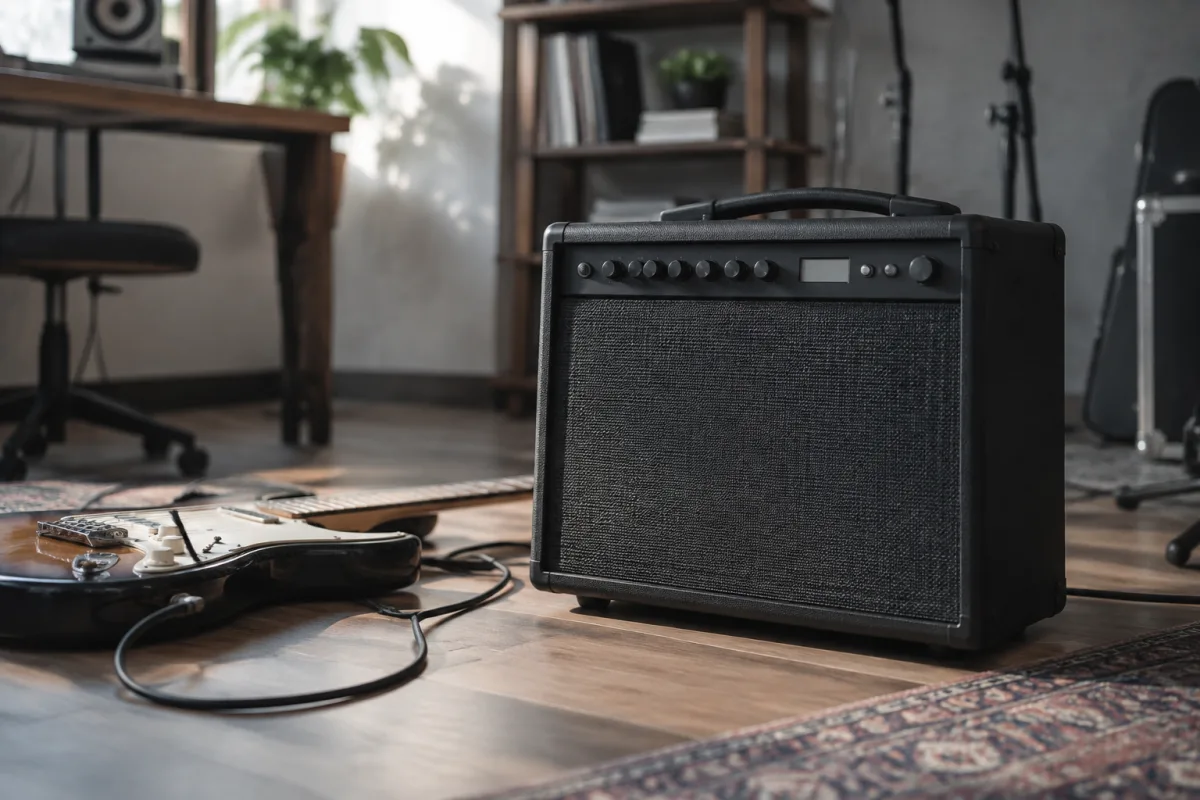
A Roland guitar amp does something fundamentally different from traditional amplifiers: it digitally recreates the tone of dozens of classic amps in a single unit. Walk into a room expecting vintage tube tone, pure analog response, and acoustic simplicity—then discover a Roland guitar amp offers something else entirely. That something else is versatility bordering on overwhelming. Want a Marshall stack tone? Got it. Fender clean warmth? Yes. Modern high-gain metal amp? Absolutely. All in one lightweight unit. But this versatility comes with complexity. Understanding when a Roland guitar amp is the right choice, what their various models actually do, and how to avoid paralysis from endless tone options requires clear thinking. Here's how to navigate Roland guitar amp features, product lines, and whether the modeling approach matches your actual playing style.
Understanding Roland Guitar Amp Technology
Traditional guitar amplifiers use tubes or solid-state circuits to amplify and colour your tone. A Roland guitar amp uses digital processing to simulate—or "model"—the tone characteristics of classic amps, sometimes adding effects or impulse responses (recordings of how famous speaker cabinets sound). This means a Roland guitar amp is fundamentally a computer running audio software, not a traditional amp in the traditional sense.
Here's what that means practically: a Roland guitar amp can offer dozens of amp simulations in a tiny package. A Cube Street EX (a compact Roland guitar amp for busking) weighs under 2kg but simulates everything from classic rock amps to modern metal voicings. A traditional amp that covered that same tonal range would require a truck. But a Roland guitar amp is also a computer, which means software updates, menus, learning curves, and sometimes digital latency (a tiny delay between playing and hearing sound) that some players notice and others don't.
The critical question: does the convenience and versatility of a Roland guitar amp outweigh losing the pure analog response and endless tweakability of traditional tube amps? The honest answer is "it depends," and understanding what depends on what matters enormously before you commit.
Roland Guitar Amp Product Lines: What They're Actually For
Roland makes several distinct guitar amp categories, each designed with specific players in mind. The Cube series is entry-level and portability-focused. A Cube 40 (under £200) is genuinely adequate for practice and small rooms. A Cube 80X (around £300) adds more power and features. These are portable, affordable, and sound legitimately good for the price. Limitation: fewer amp models and simpler controls than premium Roland guitar amps.
The Street Cube (a Roland guitar amp in the street/busking category) is ultra-portable—battery-powered, weighs kilos, sounds surprisingly full. Perfect for busking or practice anywhere. Less suitable for gigging where you need real volume control or advanced tone-shaping.
The Blues Cube is positioned between budget Cube series and professional models. A Blues Cube Hot (around £400) or Larger (around £600) offers more amp simulations, better speaker quality, and a more traditional amp aesthetic with digital tone-shaping underneath. These appeal to players who want modeling technology but in a format that looks and feels more like a "real" amp.
Premium models like the Roland DBS or Micro Cube GX offer compact professional-grade modeling with advanced features—effects, USB audio interface capability, and extensive tone libraries. These cost £300–700 depending on features and come with learning curves proportional to their capabilities.
Modeling Technology: What You're Actually Getting
When you buy a Roland guitar amp, you're buying amp simulations that are mathematically modeled based on measurements of the original amps. These models range from genuinely convincing (the modeling does capture character) to technically accurate but somehow soulless (numbers match the original but it doesn't feel the same). The honest truth is that some players absolutely prefer the tonal character of modeling, others find it digitally sterile compared to tube amps.
Key point: recording through a Roland guitar amp into audio software often sounds wonderful. Playing a Roland guitar amp on stage sometimes feels thin compared to a traditional amp pushing air. This matters if you're recording-focused versus live-performance-focused. A bedroom musician or studio-oriented guitarist might find a Roland guitar amp perfect. A gigging player with strong tone preferences might find it limiting.
Latency (the delay between playing and hearing sound) is sometimes an issue with digital modeling. Modern Roland guitar amps have reduced latency to near-imperceptible levels, but some players still notice and it affects their feel. Try before buying if latency sensitivity matters to you—not all Roland guitar amp users notice it, but some are genuinely bothered.
Tone-Shaping and Control Complexity
A traditional amp has knobs—volume, tone, maybe reverb. Intuitive, immediate, tactile. A Roland guitar amp has menus, displays, and hundreds of options. This is advantage or nightmare depending on your perspective. Want to explore endless tone combinations? A Roland guitar amp is heaven. Want to plug in and play without thinking? A Roland guitar amp requires learning.
The more advanced the Roland guitar amp, the more menu-diving you'll do. A Blues Cube is relatively straightforward—simulated amp selection, traditional EQ, effects. A professional modeling amp might have pages of menus for cabinet simulation, microphone positioning, routing effects chains, and more. If you're the type who loves tweaking and customisation, that's brilliant. If you want simplicity, it's overwhelming.
Some players approach a Roland guitar amp and immediately click with the workflow. Others find the digital interface alienating. This is genuinely personal and worth testing before buying. Spend time with a Roland guitar amp at a shop. Navigate menus. Try changing tones. Does the workflow feel intuitive or frustrating?
Speaker Quality and Amp Power
A Roland guitar amp is only as good as its speakers. A compact Roland guitar amp (say, a Cube 40) has small speakers that sound compact—adequate for practice but not gigging. A mid-size Roland guitar amp like a Blues Cube has better speakers that project more convincingly. Larger models with bigger speaker cones sound more powerful and full-bodied. You can't escape this reality: speaker size matters enormously for how an amp ultimately sounds.
Power rating on a Roland guitar amp is relevant but different than traditional amps. A 40-watt Roland guitar amp isn't quite as loud as a 40-watt tube amp because efficiency differs. But practically, a 40-watt Roland guitar amp is adequate for rehearsals, a 60–80-watt Roland guitar amp handles most gigging, anything over 100 watts is excessive for live use in the UK.
Specific Use Cases for Roland Guitar Amps
Bedroom practice: A Roland Cube or entry-level model is perfect. Quiet, powerful enough for headphones or a small speaker, enormous tone variety. You don't need to spend more than £200.
Busking or street performance: A battery-powered Roland Street Cube is genuinely ideal. Portable, unplugged capability, sounds surprisingly full. Exactly designed for this.
Gigging locally: A Blues Cube or Micro Cube GX works fine if your venues have moderate volume requirements. The modeling approach works well amplified through quality speakers. Limitation: if you need tube amp tone authenticity that can't be replicated digitally, a traditional amp might feel better.
Studio recording: A Roland guitar amp plugged into audio software shines. Digital integration is natural, tonal variety is endless, and recording quality is typically excellent. Many professional recordings use modeled guitar tones.
Touring internationally: Battery-powered Roland models avoid voltage conversion concerns. Compact models travel easily. This is actually a significant advantage of digital modeling—international portability.
Price Tiers and Value Assessment
Budget Roland guitar amps (£100–250 like the Cube series) offer genuine playability and tone variety for the cost. You're getting legitimate amp modeling in a portable package. Trade-off: fewer amp simulations, simpler speaker, less tone-shaping control.
Mid-range Roland guitar amps (£300–600 like Blues Cube or Micro Cube models) represent good value for players who want more amp simulations and better speakers without excessive complexity. You're paying for noticeably better tone and more options without the learning curve of professional models.
Premium Roland guitar amps (£700+ professional models) target professionals who use modeling technology as their primary amp solution. You're paying for extensive amp simulations, advanced tone-shaping, professional-level build quality, and often integrated audio interface capability for recording.
Comparing Roland Guitar Amps to Traditional Alternatives
A tube amp is more "real" in tone character but heavier, more expensive, and requires more maintenance. A solid-state traditional amp is simpler but still single-tone-focused. A Roland guitar amp is digitally versatile but requires menu navigation and some players never fully embrace the modeling sound. There's no objectively "best" choice—it depends on your priorities. Love simplicity and pure tube tone? Traditional amp. Love versatility and portability? Roland guitar amp. Can't decide? Try both before buying.
What to Check Before Buying a Roland Guitar Amp
- Speaker quality – Plug in and play. Does the Roland guitar amp sound full and convincing, or thin and digital? Speaker quality is where you ultimately hear the difference
- Menu workflow – Navigate to a few settings. Does the Roland guitar amp interface feel intuitive or confusing? This matters for your daily experience
- Latency perception – Play through headphones if possible. Do you notice delay between playing and hearing sound? If yes, is it bothersome?
- Tone range – Sample several amp simulations. Do you get the tones you actually want? Versatility is only useful if you like the available options
- Connectivity – Check USB audio interface capability if recording matters. Verify headphone output quality if practicing silently
- Build quality – Inspect for loose knobs, rattling controls, or cheap feeling construction. Roland build quality is typically good, but check your specific model
Making Your Final Decision
Choose a Roland guitar amp if you value portability, tone versatility, and convenience over absolute tone authenticity. Budget £150–250 for entry-level practice use. Budget £400–600 for gigging or recording where tone quality matters more. Budget beyond that only if you're using modeling as your primary professional amp solution. Test a Roland guitar amp before committing—the digital interface and modeling tone approach aren't for everyone, and that's completely valid. If you love it, a Roland guitar amp delivers incredible versatility. If you hate it, no amount of features compensates for an amp that doesn't feel right.


Comments