


Roland Gr Synth Buying guide
Roland Gr Synth: A Complete Buyer's Guide
Navigating the Roland GR Synth marketplace requires understanding generations, pitch detection speed, and real-world performance. This buying guide walks you through specifications that matter, price brackets, and critical inspection points to ensure you invest in the right instrument for your needs.
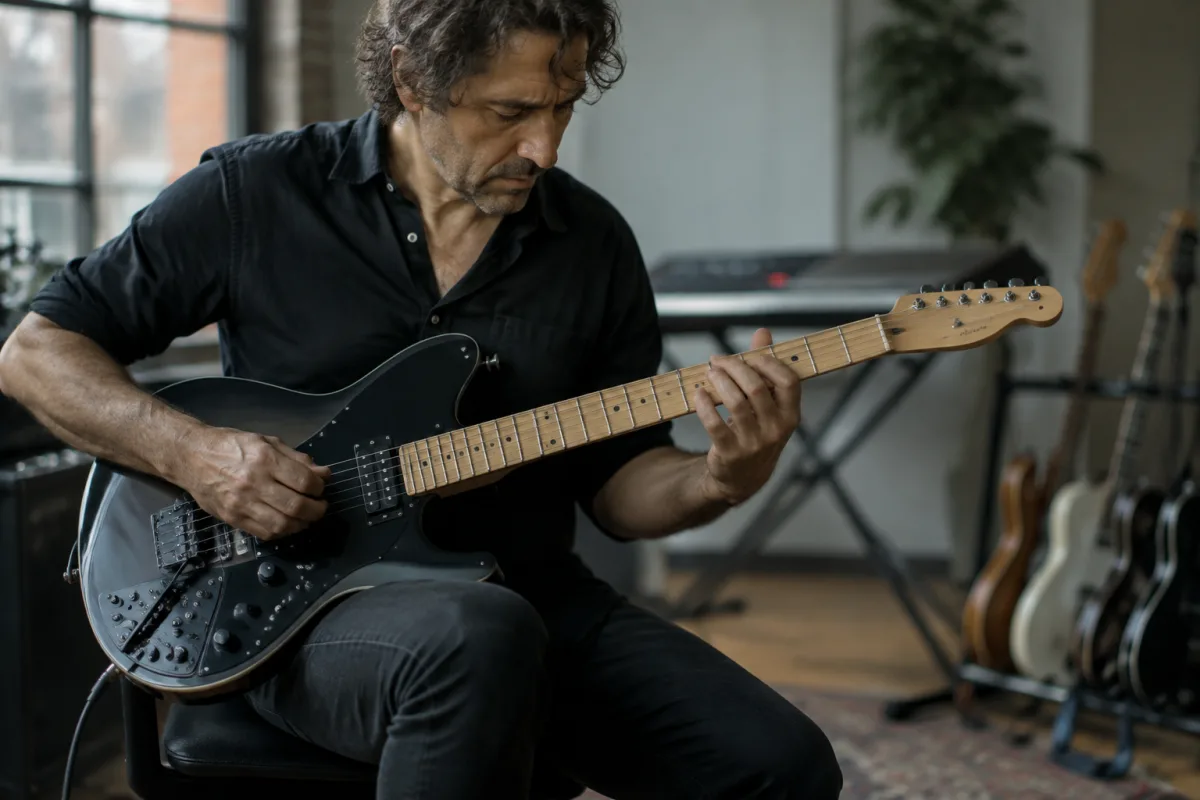
Hunting for a Roland GR Synth? Whether you're upgrading from your current setup or diving into guitar synthesis for the first time, knowing what to look for separates a satisfying purchase from a costly mistake. This guide walks you through the critical specifications, warns you of common pitfalls, and helps you determine which model truly suits your budget and musical ambitions.
Understanding Roland GR Synth Generations
Roland has refined the GR Synth platform across several generations, each bringing performance improvements and expanded sonic palettes. The main lineups to evaluate include the GR-55, GR-33, and the newer GR-IX series. Each targets different player profiles: bedroom tinkerers after expressive control, touring professionals demanding bulletproof reliability, and adventurous keyboardists wanting guitar-powered synthesis at their fingertips.
Older used units (particularly 2000s-era models) often drop in price significantly but carry higher wear-and-tear risk and limited preset libraries compared to modern alternatives. Mid-range secondhand units typically offer the sweetest value proposition, bundling sufficient feature depth with proven longevity. Current-generation models command premium pricing but deliver ergonomic refinements and streamlined workflows.
Key Specifications That Matter
Before scrolling past the marketing blurb, examine these core specs:
- Pitch Detection Speed: How quickly the unit tracks your guitar input. Slower detection creates mushy, laggy response; faster tracking (sub-50ms latency) feels genuinely playable. Check reviews specifically mentioning detection latency if you play fast passages or hammer-on techniques.
- Number of Onboard Synth Engines: More engines mean richer layering possibilities. Aim for at least two simultaneous synth voices unless you only want monophonic effects.
- Expression Pedal Support: Can you dial in realtime modulation? Can the unit accommodate an external foot pedal for volume/filter sweeps? Critical for expressive playing.
- MIDI I/O: Full MIDI In/Out connectivity lets you sequence external gear and receive control data. USB MIDI is increasingly standard; some older models lack this entirely.
- Speaker System: Built-in speakers range from passable monitor quality to barely-worth-mentioning. Budget for external amplification if you demand stage-ready sound.
- Power Supply Options: Battery-powered vs. AC adaptor only. Batteries offer mobility for rehearsal spaces; mains-only units ground you to a power outlet.
Price Tiers Explained
| Budget Bracket | Typical Price (Used/New) | Best For | Trade-offs |
|---|---|---|---|
| Budget Entry Level | £200–500 (used models) | Casual hobbyists, bedroom exploration | Slower pitch detection, fewer presets, possible cosmetic wear |
| Mid-Range Sweet Spot | £500–1,200 | Serious amateurs, gigging musicians | Good balance of features and reliability; some models nearing end-of-support |
| Premium Current Gen | £1,200–2,000+ | Professionals, touring acts, studio session players | Latest detection algorithms, full feature set, warranty coverage |
Pitfalls to Sidestep
Even seasoned players stumble into buying mistakes:
- Ignoring Pitch Detection Performance: Reading user forums for real-world latency reports beats trusting promotional specs. A cheap unit with sluggish tracking will frustrate you for years.
- Overlooking Compatibility Gaps: Verify your guitar's pickup type works smoothly with the GR Synth you're eyeing. Some models pair better with humbuckers; others handle single-coils more gracefully. Needing aftermarket pickups adds cost.
- Skipping the Used Market Inspection: If buying secondhand, request a video demo playing recognisable passages, not just preset cycles. Check for button wobble, LCD dead pixels, and wobbly knobs—all expensive repair jobs post-purchase.
- Forgetting About Power Draw: Older units can demand surprisingly high current if you're running them from batteries in a portable pedalboard. Count on battery life being half the manufacturer claim in real gigging situations.
- Assuming Presets Are Golden: Factory presets are starting points, not finished tones. Modifying and saving your custom patches requires comfort with deep menu diving and parameter hunting. If you prefer "plug and play," budget for a longer onboarding curve.
What to Examine Before Purchasing
Walk through this checklist at the shop or before completing an online purchase:
- Power the unit on and verify all LEDs illuminate and the LCD screen renders clearly.
- Test pitch detection with both open strings and fretted notes across the neck. Detect lag or dropouts.
- Scroll through the menu system; confirm buttons respond crisply and menu navigation feels snappy.
- Check the guitar-to-unit cable connection for tight seating; wiggle testing is your friend here.
- If available, connect to external amplification and listen for noise floor, buzzing, or intermittent crackling.
- Confirm all included accessories are present: power supply, cables, foot pedal (if applicable), and documentation.
New Versus Used: Value Calculation
New Roland GR Synth units guarantee warranty protection and all current firmware optimisations, but carry full retail markup. Used units drop 30–50% in price if they're well-maintained, though you inherit any underlying hardware quirks and lose manufacturer support. For most players, buying used in the mid-range bracket (two to four years old) offers the strongest value-to-performance ratio. Prioritise units with documented service history and clear, detailed photography of cosmetic condition.
Final Thoughts
Selecting the right Roland GR Synth hinges on matching your budget, musical style, and technical comfort to the unit's real-world capabilities. Visit the complete guide to Roland GR Synth for deeper context on how these instruments fit into the broader synthesis landscape. Armed with this purchasing roadmap, you'll walk away with a synth that genuinely serves your music, not one gathering dust on a shelf.



Comments