
Strymon Reverb Pedals article
The Complete Guide to Strymon Reverb Pedals
Strymon reverb pedals have become synonymous with professional-grade studio effects deployed across stages worldwide, delivering sonic capabilities rivalling studio processors.
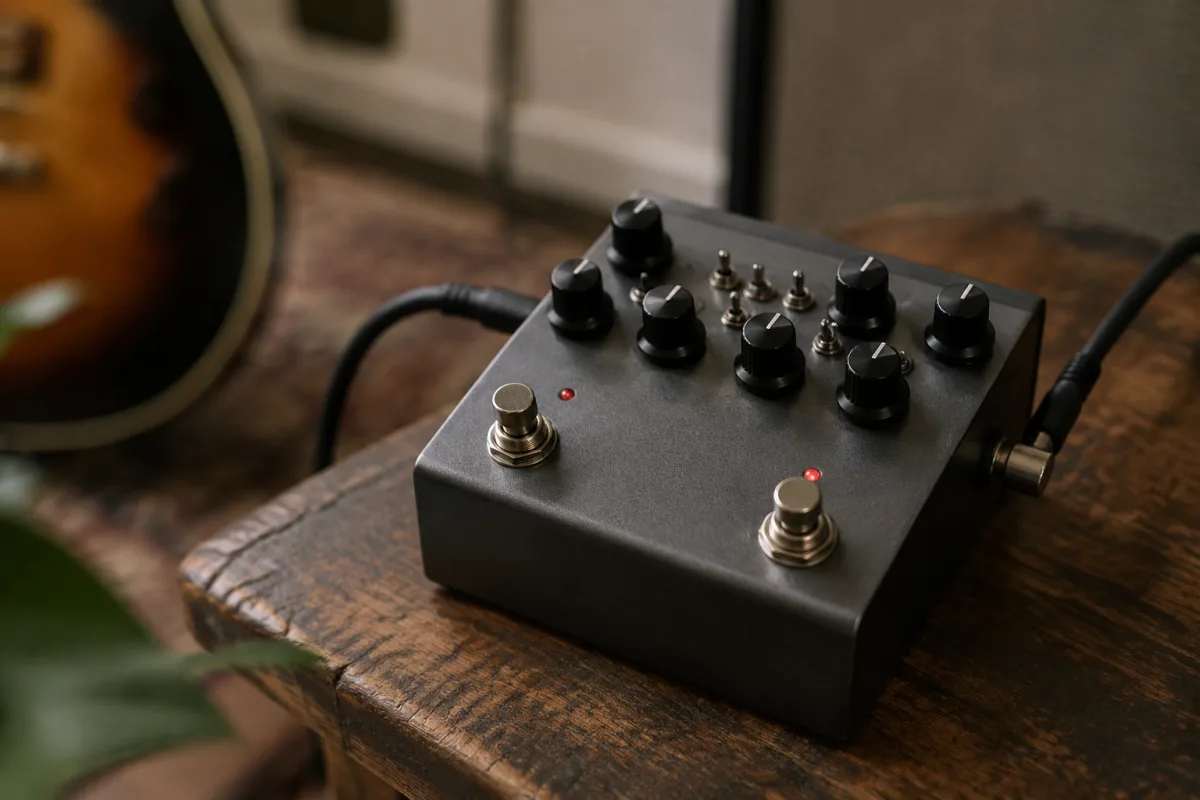
Strymon reverb pedals have become synonymous with professional-grade studio effects deployed across stages worldwide. Musicians seeking authentic, nuanced reverb tones increasingly turn to Strymon's comprehensive lineup of reverb pedals for the depth and flexibility their craft demands. Whether creating lush ambient textures or subtle spatial enhancement, these pedals deliver sonic capabilities that rival studio reverb processors in compact, portable formats.
Strymon: Setting the Standard for Quality
Strymon, a California-based effects manufacturer, established its reputation through obsessive attention to sonic detail and build quality. The company's reverb pedals reflect this philosophy, offering advanced algorithms derived from classic hardware reverberators combined with modern digital processing capabilities. Each Strymon reverb pedal integrates sophisticated architecture delivering studio-quality effects performance within a standard pedalboard footprint.
The Strymon brand stands apart through commitment to authentic sound reproduction. Rather than creating digital approximations of natural phenomena, Strymon reverb pedals capture the essential character of genuine acoustic spaces through detailed algorithm design. This philosophical approach attracts discerning musicians prioritising tonal authenticity over novelty or excessive features.
Exploring Strymon Reverb Models
Strymon's reverb pedal lineup offers options spanning price points and feature complexity. The Big Sky remains the company's flagship offering, featuring 12 distinct reverb algorithms covering everything from intimate rooms to vast cathedrals. Its comprehensive controls allow deep customisation, making it ideal for players committed to exploring reverb's sonic possibilities.
The Strymon reverb pedal range also includes the Flint, a dual-effect unit combining reverb with tremolo functionality. This compact platform delivers exceptional spatial character without requiring pedalboard real estate for multiple stacked effects. The Flint's streamlined design appeals to players prioritising simplicity without sacrificing sonic depth.
For minimalists, the Strymon reverb pedal collection includes specialized models offering narrower feature sets. These instruments sacrifice comprehensive customisation for streamlined interfaces and intuitive operation, making them accessible to players preferring straightforward signal control over deep editing possibilities.
Algorithm Quality and Sonic Performance
Strymon reverb pedals distinguish themselves through algorithm sophistication unmatched in compact pedal format. Each reverb algorithm represents extensive development work capturing specific acoustic characteristics. Whether processing clean acoustic guitar or heavily distorted rock tones, Strymon reverb pedals maintain cohesive spatial character that sounds musical rather than artificial.
The Room algorithm simulates confined acoustic spaces, perfect for intimate textures. Hall algorithms create expansive environments without losing definition. Plate algorithms deliver classic reverb character associated with studio recording's golden era. Reverse and modulated algorithms expand into creative territory, enabling experimental sound design. This algorithmic diversity makes Strymon reverb pedals suitable across musical genres and stylistic applications.
Build Quality and Durability Considerations
Strymon reverb pedals exemplify professional build standards. Metal chassis construction withstands touring rigours, whilst robust switching mechanisms endure repeated stage use. These instruments are designed expecting decades of reliable operation, reflecting manufacturing philosophy prioritising longevity over disposability. Professional touring musicians particularly appreciate these durability characteristics.
The engineering evident in Strymon reverb pedals extends beyond superficial robustness. Signal path design minimises noise whilst maximising clarity. Analogue-to-digital conversion stages employ high-resolution processing ensuring captured performances retain sonic integrity. These technical considerations combine creating instruments that sound and feel professional across every interaction.
Integration with Modern Pedalboards
Contemporary pedalboard design increasingly demands compact, efficient signal processing. Strymon reverb pedals accommodate these requirements through thoughtful engineering enabling integration into complex rigs without compromising sonic performance. Midi control capabilities on many Strymon reverb pedals allow remote switching and parameter adjustment, simplifying live performance workflows.
Audio connectivity standards on Strymon reverb pedals include both analogue and digital options. This flexibility enables integration alongside vintage equipment or modern digital pedalboards with equal facility. Pedalboard designers appreciate this adaptability when assembling sophisticated signal-chain architectures blending diverse equipment generations.
Creative Applications and Sound Design
Beyond traditional spatial enhancement, Strymon reverb pedals enable profound creative exploration. The algorithmic range available encourages experimenting with unconventional reverb uses. Ambient musicians employ Strymon reverb pedals as primary sound sources rather than supplementary effects. Experimental musicians combine Strymon reverb pedals with feedback techniques creating textural landscapes impossible with traditional reverb applications.
Many players discover that extensive Strymon reverb pedal exploration reveals unexpected sonic possibilities. Using these effects creatively transforms guitar tone from conventional electric instrument into textural synthesiser-like device. This creative flexibility distinguishes Strymon reverb pedals from utilitarian effect processors offering basic reverberation capability.
Comparison with Alternative Reverb Solutions
The reverb pedal market offers numerous alternatives to Strymon offerings. Boss reverb pedals provide affordable entry points into spatial effects processing. Electro-Harmonix produces characterful options at competitive prices. However, Strymon reverb pedals occupy the premium performance tier where algorithmic sophistication and build quality justify substantially higher investment.
Comparing Strymon reverb pedals against affordable alternatives reveals clear distinctions in spatial depth and tonal refinement. Where budget options provide serviceable reverb character, Strymon reverb pedals deliver sonic character rivalling professional studio reverb processors. This quality differential justifies their substantial price premium for discerning musicians prioritising tone.
Cost Considerations and Value Proposition
Strymon reverb pedals represent significant financial investment compared to budget alternatives. Big Sky models command prices exceeding £400, positioning them as premium purchases. However, musicians who maintain instruments across decades view Strymon reverb pedals as long-term investments delivering enduring value. Professional touring musicians frequently identify Strymon reverb pedals as essential to their signature sound.
The durability and sonic consistency of Strymon reverb pedals contribute to strong secondary market retention. Used examples command prices reflecting their reputation, enabling players to recoup substantial portions of initial investment when trading or upgrading. This strong value retention contrasts with budget effects equipment that depreciates rapidly.
Strymon reverb pedals represent the convergence of professional audio engineering and artistic tool design. Players seeking authentic spatial effects within portable formats find these instruments indispensable. Whether creating subtle ambience or exploring experimental sound design territories, Strymon reverb pedals deliver the sonic capabilities supporting genuine artistic vision across musical styles and performance contexts.
Frequently Asked Questions
Are Strymon reverb pedals worth the investment compared to budget alternatives? For serious musicians prioritising tone and durability, yes. Strymon reverb pedals deliver algorithmic sophistication and build quality justifying premium pricing. Budget alternatives provide basic functionality; premium models enable artistic exploration.
Can I run multiple Strymon reverb pedals in series on a pedalboard? Yes, though careful gain staging and signal routing prevent feedback issues. Many pedalboards allocate dedicated reverb sections where multiple Strymon reverb pedals coexist without sonic conflicts.
Do Strymon reverb pedals require special power supplies? Most require dedicated power supplies rather than standard pedalboard solutions. The electrical demands of digital processing necessitate quality power delivery that battery or basic power solutions cannot provide.
Which Strymon reverb pedal suits beginners best? The Flint offers excellent introduction to Strymon reverb pedal capabilities through streamlined controls and dual-effect functionality. Its accessibility makes it ideal for players newly exploring premium reverb character.
How do Strymon reverb pedals sound with bass guitar? Excellently. Many bassists employ Strymon reverb pedals creating textural depth enhancing instrument presence. The algorithmic range accommodates bass frequencies without boominess.
Are Strymon reverb pedals programmable for live use? Most feature onboard presets and, on larger models, Midi control enabling remote program selection. This programmability simplifies managing diverse tonal requirements across extended performances.


Comments