
Reverb Guitar Effect article
The Complete Guide to Reverb Guitar Effect
Reverb transforms guitar tone by simulating natural acoustic spaces and adding dimension to your sound. Explore how reverb works, discover different types from spring to algorithmic, and learn how to use this essential effect creatively across all musical genres.
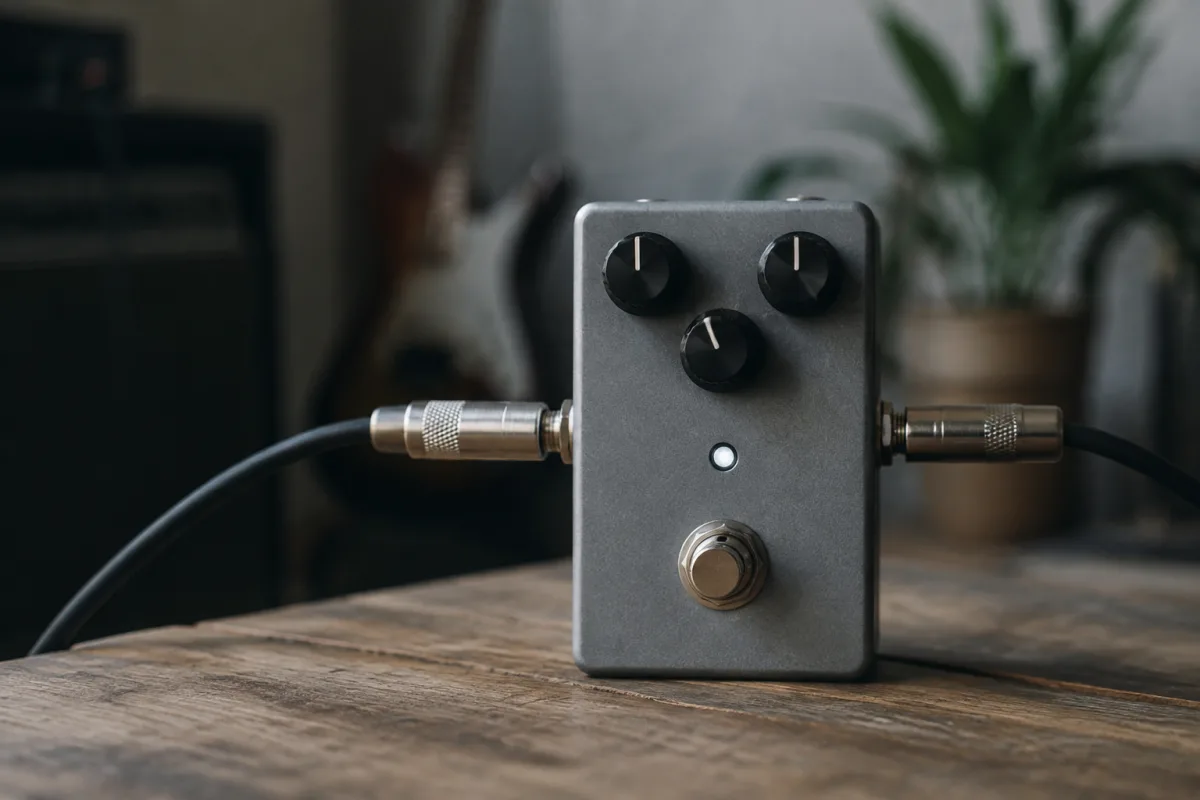
Reverb stands as one of the most essential and widely-loved effects in guitar playing, creating a sense of space and depth that transforms tone. Whether you're crafting lush ambient soundscapes, adding subtle dimension to rock riffs, or capturing the character of legendary recording studios, reverb effects shape guitar tone across every genre. This guide explores everything you need to know about these spatial effects, how they work, popular implementations and how to choose the right settings for your music.
Understanding How Reverb Works
Reverb simulates the natural reflections that occur when sound travels through physical spaces. When you play guitar in a cathedral, sound bounces off walls, floor and ceiling, creating a dense wash of reflections that arrive back at your ear at slightly different times. This is reverb — the space's acoustic fingerprint.
A reverb guitar effect recreates this naturally occurring phenomenon electronically. The effect generates thousands of tiny reflections that gradually decay, creating the illusion of playing in a particular space. Early reflections arriving quickly simulate a small room; longer decay times simulate large halls or cathedrals. By adjusting these parameters, you can place your guitar virtually anywhere.
Types of Reverb Guitar Effects
Different reverb implementations create distinct sonic characters. Spring reverb, historically found in guitar amplifiers, uses metal springs to create reflections. This classic sound is warm, musical and characterful, though physically springs are prone to noise from physical movement or vibration.
Hall reverb simulates large concert spaces or cathedrals, creating expansive, long-tailed reflections perfect for ambient textures or atmospheric ballads. Room reverb mimics smaller spaces like living rooms or studios, adding subtle presence without overwhelming the original signal.
Plate reverb emulates vintage studio reverb units that used suspended metal plates. This effect is bright, dense and punchy, often heard on classic rock records. Algorithmic reverb, created through digital processing, offers sophisticated control and unlimited variation. Modern digital implementations include convolution reverb, which uses real room impulse responses to achieve photorealistic acoustic simulation.
Key Parameters for Reverb Guitar Effects
Understanding reverb parameters helps you shape the effect precisely. Decay time or reverb time controls how long reflections persist. Short decay times (0.5–2 seconds) add subtlety; longer times (3–10 seconds) create wash and atmosphere.
Pre-delay adjusts the time before the first reflection appears. Longer pre-delay creates a sense of depth and space; shorter pre-delay couples the effect more intimately with the original signal. Damping reduces high frequencies in reflections, creating darker, warmer tone — useful for preventing a bright reverb from sounding artificial.
Wet/dry balance controls the proportion between unreverberated and affected signal. Subtle reverb (10–30% wet) adds dimension without obvious effect. Extreme settings (70–100% wet) create immersive, otherworldly textures.
Reverb in Amplifiers vs. Effects Pedals
Built-in reverb in guitar amplifiers is convenient and involves no additional equipment. Classic tube amp reverb uses spring reverb technology, offering warm, musical character that's difficult to replicate digitally. Spring reverb also responds to amp vibration in charming, unpredictable ways.
Dedicated reverb pedals and processors offer far greater variety and control. A effects pedal provides multiple reverb algorithms, detailed parameter editing and foot switching. Many professional musicians use both — the amp's spring reverb for foundational character, plus a pedal for additional texture and control.
Popular Reverb Guitar Effect Pedals
The Boss RV-6 offers eight reverb types and intuitive controls, making it popular with touring musicians. The Strymon Blue Sky delivers studio-quality algorithmic reverb in compact format with deep editing options. The Spring Reverb Pedal category includes dedicated models like the Accutronics pedal, recreating vintage spring tone in portable form.
For ambient and experimental playing, the Boss RE-20 combines reverb with space echo, creating complex layered atmospheres. The Fender Marine Layer pedal delivers lush, characterful reverb inspired by vintage studio equipment.
Using Reverb Creatively in Different Genres
In rock and punk, subtle reverb adds space without obvious processing — the listener hears dimensionality without conscious awareness. Country music often features moderate hall or room reverb, simulating recording studio environments. Blues benefits from plate reverb creating warmth and vintage character.
Ambient and experimental musicians exploit reverb as a primary compositional element. Long decay times, high wet levels and creative parameter modulation create immersive soundscapes. Post-rock frequently uses extreme reverb settings to create atmospheric texture.
Practical Setup and Gain Structure
Where you place a reverb pedal in your signal chain matters. Placing reverb at the chain's end typically sounds most natural, allowing all other effects to sit in the reverb space. Some players place reverb before distortion, creating unique textured effects, though this is less common.
Manage your levels carefully — reverb creates reflections of your full signal level, so a strong reverb setting on an already-loud signal can cause feedback. Many players reduce reverb dry level slightly when using extreme decay times.
Conclusion
Reverb remains one of guitar's most essential and creatively rewarding effects. Whether you embrace subtle spatial enhancement through amp reverb, explore specific algorithms via dedicated pedals, or experiment with extreme settings for artistic expression, reverb offers limitless possibility. Understanding how this effect works, experimenting with different types and parameters, and integrating it thoughtfully into your signal chain will profoundly expand your sonic palette and musical expression.


Comments