
Cool Reverb Pedals article
The Complete Guide to Cool Reverb Pedals
The best cool reverb pedals deliver far more than vintage spring emulations. From shimmering ambient effects to experimental reverse textures, find the reverb pedal that inspires your playing.
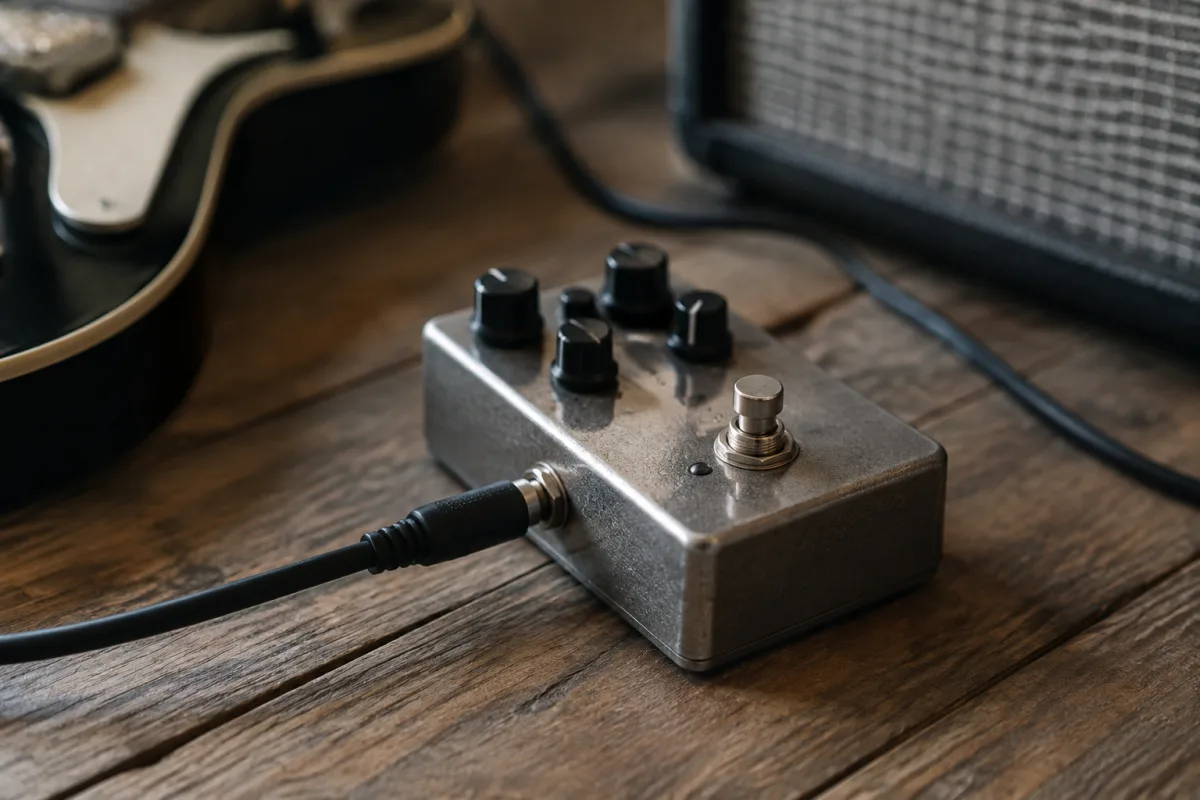
Reverb is one of music's most transformative effects, and the best cool reverb pedals deliver far more than vintage spring emulations. Modern reverb pedals span lush ambient textures, crystalline hall algorithms, and experimental reverse effects—each capable of shaping tone in unexpected and inspiring ways. Whether you're after thick, spacious verb for lead tones or experimental soundscapes, the right reverb pedal elevates your entire rig.
What Makes a Reverb Pedal Worth Your Time
Most guitarists overlook reverb in favour of gain and delay. That's a missed opportunity. A reverb pedal adds depth, character and space to your tone—especially important in bedroom studios, live settings where the venue's acoustic is thin, or any context where you need to fill the stage or headphone mix with presence. The difference between a flat, compressed guitar signal and one breathing with reverb is immediately obvious to any listener.
Cool reverb pedals go beyond the standard algorithm. They offer control over decay time, tone, and damping; many add modulation, shimmer, or reverse effects. The best ones feel musical and inspiring, not just functional. You use them to generate ideas, not just clean up signal."
Reverb Pedal Types & Algorithms
Understanding reverb types helps you choose the right effect for your style:
- Room reverb — Simulates a small acoustic space, subtle and natural, ideal for adding warmth without obvious effect
- Hall reverb — Larger, more dramatic space, classic and spacious, works across rock, indie, and ambient styles
- Plate reverb — Lush, dense, with a distinctive character originating from studio gear; beloved by engineers and tone-conscious players
- Spring reverb — The jangly, resonant signature of Fender amps, characterful and unmistakably vintage
- Reverse reverb — The decay trails play backwards, creating eerie, sci-fi textures perfect for experimental and dark music
- Shimmer reverb — Stacked with octave shifts or pitch shifting, ethereal and ambient, stunning on sustained notes
- Cathedral reverb — Massive, echoing space, grand and imposing, used sparingly for dramatic moments
A modern cool reverb pedal often includes two or more algorithms, letting you dial in the right texture for each song or section.
Essential Controls on the Best Reverb Pedals
Beyond the algorithm itself, these controls shape your reverb tone:
Decay/Time — How long the reverb tail sustains. Short decays (0.5–2 seconds) feel tight; longer decays (4+ seconds) create space and wash. Adjust by song and style.
Tone/Damping — Controls the brightness and EQ of the reverb. Darker damping creates vintage, warm verb; brighter damping adds clarity and presence. Critical for matching your pickups and amp.
Mix/Wet — The balance between dry (original signal) and wet (reverb effect). Higher mixes create obvious, ambient effects; lower mixes add subtle space. Start conservative and turn up only as needed.
Pre-delay — A slight delay before the reverb onset, creating separation between your dry signal and the effect, especially useful on ambient textures.
Cool Reverb Pedals Worth Considering
Several pedals have earned reputations for delivering both inspiring and useful reverb texture:
| Pedal | Standout Feature | Best For | Price Range |
|---|---|---|---|
| Strymon BigSky | Expansive algorithm library with pitch-shifting shimmer | Ambient, experimental, wide sonic palette | £399–£450 |
| Boss RV-6 | Compact, user-friendly, eight reverb types | General touring, rock and indie gigging | £149–£199 |
| TC Electronic Hall of Fame 2 | TonePrint technology, customisable algorithms | Studio work, tone-chasing professionals | £199–£249 |
| Walrus Audio Slo | Three-algorithm reverb with lush, thick decay | Indie, shoegaze, textural rock | £249–£299 |
| Earthquaker Devices Afterneath | Unique, experimental reverb with tone controls | Noise, ambient, avant-garde experimenters | £189–£229 |
| Mooer Shimverb | Compact, affordable shimmer reverb | Budget-conscious players wanting ambient texture | £79–£99 |
Each brings a distinct character. The Strymon excels when you want endless sonic exploration; the Boss RV-6 shines for no-nonsense, reliable gigging; the TC Hall of Fame 2 suits studio professionals chasing tone. Choose based on your priority: simplicity, features, or sound character.
Finding Your Cool Reverb Pedal
Start by identifying which reverb character appeals to you. Listen to demos of hall, plate, and shimmer algorithms. Many reverb pedals come with trial periods or generous return windows—use them. A reverb pedal should inspire you, not feel like a box to check off.
Consider your signal chain placement. Reverb typically sits last in your effects chain, after gain and modulation, so its effect trails cleanly without getting mangled by compression or overdrive. If you're building your first board, reverb is one of the last essentials to add, after gain, delay and maybe modulation.
Finally, don't underestimate the power of a simple, affordable reverb pedal to transform your tone. You don't need a Strymon BigSky to make your guitar sound spacious and inspiring—a £100 reverb pedal, used thoughtfully, can be your best tone investment in months.
Cool Reverb Pedal Settings to Explore
Once you have a reverb pedal, experiment with these starting points:
- Subtle ambience: Room reverb, 1.5-second decay, low mix (20–30%). Use for adding space to every note without obvious wetness.
- Spacious lead tone: Hall reverb, 2–3 second decay, medium mix (40–50%). Perfect for lead lines that need to breathe and sit back in the mix.
- Experimental textures: Reverse or shimmer algorithm, 3+ second decay, high mix (60–80%). For dramatic moments, ambient passages, or inspiring sonic exploration.
- Vintage warmth: Plate reverb, 2-second decay, darker damping, medium mix. Classic and sophisticated, works across genres.
Conclusion
A cool reverb pedal opens creative possibilities that most guitarists never explore. Whether you're drawn to the ethereal shimmer of ambient textures or the lush warmth of classic hall reverb, investing in a quality reverb pedal transforms your tone, inspires new ideas, and connects you to decades of reverb-shaped music. Start simple, choose an algorithm that appeals to you, and let your reverb pedal show you what your guitar can sound like.



Comments