


Qsc Audio Amp Buying guide
Qsc Audio Amp: A Complete Buyer's Guide
QSC audio amps power everything from small venues to international tours. This buying guide explains wattage tiers, key specifications, and how to match a QSC audio amp to your speakers and venue size.
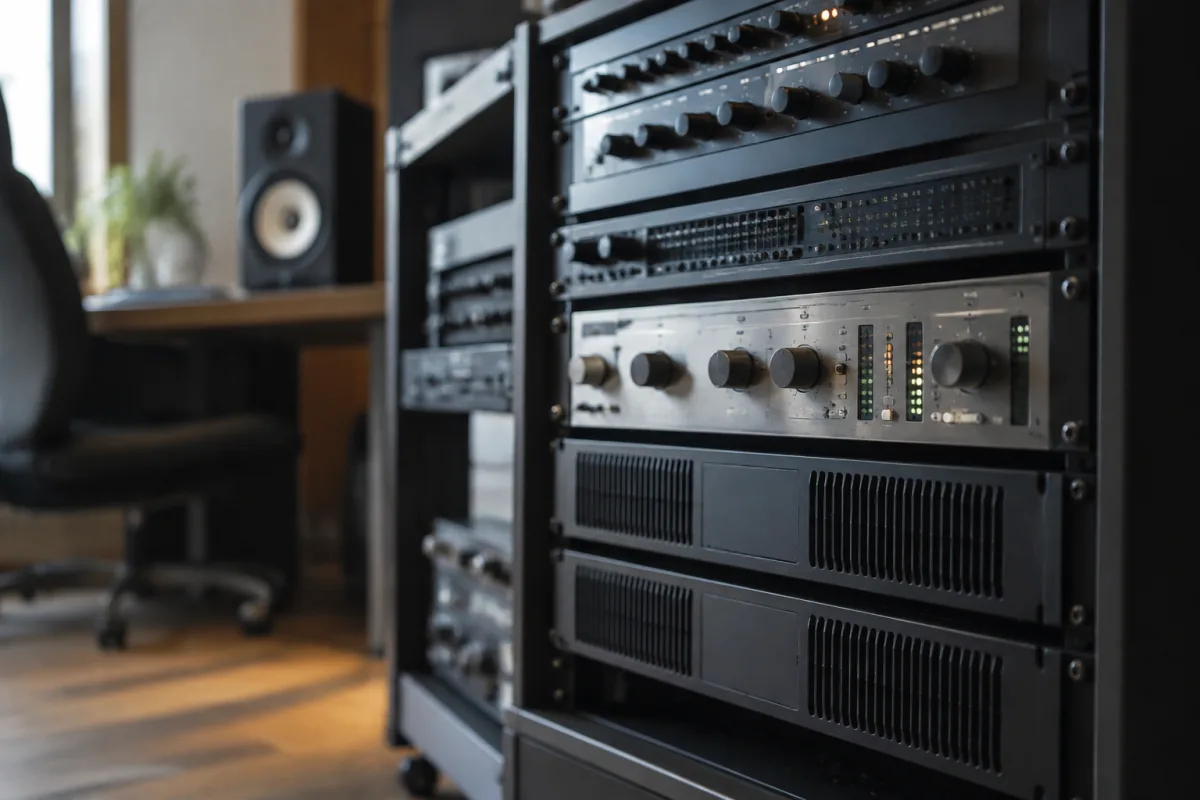
A QSC audio amp is one of the industry-standard choices for touring musicians, venues, and fixed installations, yet buying one without understanding the specifications and use cases is a recipe for overkill or under-powering. This buying guide walks you through the QSC audio amp range, explains what wattage you actually need, how to evaluate connectivity options, and the trade-offs between portability and power that separate a smart purchase from a regrettable one.
QSC Audio Amp Power Ratings Explained
The first decision when buying a QSC audio amp is wattage. The range spans from 500 watts to 5,000+ watts, but the right choice depends entirely on your use case.
500–1,500 Watt QSC Audio Amp Models are designed for mobile DJs, small bands, and venues with modest sound requirements. A 1,000-watt QSC audio amp can fill a small club or outdoor café with authoritative volume. These models are light enough to carry regularly (most weigh under 15 kg) and remain relatively affordable (£300–800).
2,000–3,500 Watt QSC Audio Amp Models are the professional workhorse tier. This is where touring bands, larger venues, and serious event companies operate. A QSC audio amp in this range powers mid-sized outdoor festivals, large indoor venues, or dual-sub setups in clubs. Weight increases noticeably (20–30 kg), but power and flexibility justify it. Expect £800–2,000.
5,000+ Watt QSC Audio Amp Models are for large-scale installations, arenas, and touring with multiple systems. Unless you're running a venue or touring internationally, you don't need this. These QSC audio amp models are investment-tier gear (£2,000–5,000+) and require professional installation planning.
Understanding QSC Audio Amp Specifications
Beyond wattage, several technical specs determine whether a particular QSC audio amp suits your needs.
Channel Configuration. QSC audio amp models come in mono (one channel, for subwoofers) and stereo (two channels, for full-range speakers). Most small-to-mid-range users want stereo; mono is specialised for subwoofer-only applications. Confirm the channel count before ordering.
Impedance Rating. Every QSC audio amp has a minimum impedance (usually 2 ohms or 4 ohms) it can safely power. Your speakers must match this or exceed it. A 4-ohm minimum QSC audio amp cannot safely drive 2-ohm speakers—it will overheat and fail. Check both the QSC audio amp rating and your speaker specs before purchase.
Cooling Method. Class D QSC audio amp models use switch-mode cooling and run cooler and more efficiently than older Class AB designs. Modern QSC audio amp models are mostly Class D and generate less heat, so thermal management is rarely an issue. Older stock at discounts might be Class AB—less efficient but still reliable.
DSP and Processing. Some QSC audio amp models include onboard EQ, compression, and filtering (collectively called DSP). Entry-level models skip this; professional models include it. DSP adds flexibility but also complexity. Beginners are fine without it; touring professionals benefit significantly.
Connectivity: Inputs and Outputs
Before you buy a QSC audio amp, confirm it has the inputs you need.
Input Types. Most QSC audio amp models accept XLR (professional mic-level or line-level), RCA (consumer-grade), or both. Touring requires XLR; home use is fine with RCA. Some QSC audio amp models include USB or Bluetooth for wireless audio, which is convenient but not essential.
Output Connectors. All QSC audio amp models connect to speakers via Speakon (professional standard), 1/4-inch (common on cheaper models), or binding posts (rare). Speakon connectors are more reliable and carry higher power safely; they're the professional standard. A QSC audio amp with Speakon outputs signals better engineering.
Bridging and Parallel Operation. Some QSC audio amp models allow bridging (combining two channels for one high-power mono output) or daisy-chaining multiple amps together. This matters if you plan to expand later. Check whether your QSC audio amp model supports these features.
Price Tiers and Value
Under £400. Entry-level QSC audio amp models suitable for small venues, mobile DJs, or bands playing small clubs. These are reliable but stripped of advanced features.
£400–1,000. Mid-range professional QSC audio amp models. This tier offers DSP, better connectivity, and Class D cooling. Most touring bands and active DJs settle here. Excellent value for serious use.
£1,000–2,000. High-end professional QSC audio amp models with extensive DSP, tour-grade construction, and redundant cooling. These are investments for touring and fixed venues.
Above £2,000. Large-scale systems. Unless you're a touring operation or running a permanent installation, you're overspending.
What to Test Before Buying
Never order a QSC audio amp online without understanding the specifics of your system first.
Check Your Speaker Impedance. Before you even look at QSC audio amp models, know your speakers' impedance. This determines which QSC audio amp models are compatible. A mismatch means a fried amp.
Listen in Your Environment. The same QSC audio amp sounds different in a small room versus outdoors. If possible, test the QSC audio amp model driving your specific speakers in a space similar to where you'll use it.
Confirm Heat Management. A QSC audio amp running full power for several hours should remain warm, not hot. Check the ventilation slots are clear and the cooler runs efficiently. In poorly ventilated spaces (tight racks), thermal issues can emerge.
Test Connector Integrity. Physically connect and disconnect cables from a QSC audio amp model several times. Connectors should feel tight and secure, not loose or wobbly. Cheap connectors fail mid-gig.
Common Buying Mistakes
Buying Too Much Power. A 5,000-watt QSC audio amp in a small venue wastes money and energy. Most applications under 500 people need 1,000–2,000 watts. Buy for your actual use case, not hypothetical future touring.
Ignoring Impedance Matching. This is the single most expensive mistake. A QSC audio amp powering mismatched impedance speakers will fail, often spectacularly and expensively. Know your speakers' impedance before shopping.
Forgetting About Cooling and Ventilation. A QSC audio amp needs airflow. In a tight rack or poorly ventilated case, thermal protection can kick in and reduce output mid-gig. Plan your installation with cooling in mind.
Buying Used Without Testing. A used QSC audio amp is fine if it's been well-maintained, but always test it before committing. Listen for humming (suggests transformer issues), confirm all channels work, and check that cooling fans spin smoothly.
Skipping the Spare Cables. A failed speaker cable mid-gig is a disaster. A QSC audio amp is only useful if you have reliable cables. Budget for spares and carry them.
Final Thoughts
A QSC audio amp is a long-term investment in reliable, professional-grade amplification. Buy based on your actual use case and speaker system, not on "future possibilities." The right QSC audio amp will outlast cheaper alternatives by years and pay for itself through reliability. For a comprehensive overview of all QSC audio amp models and features, check out the complete guide to QSC audio amps.


Comments