


Practice Amp roundup
Practice Amp: A Complete Buyer's Guide
A practice amp should inspire daily playing. Discover how to choose between solid-state, modelling and tube amps, what features genuinely help, and real budget guidance for every level.
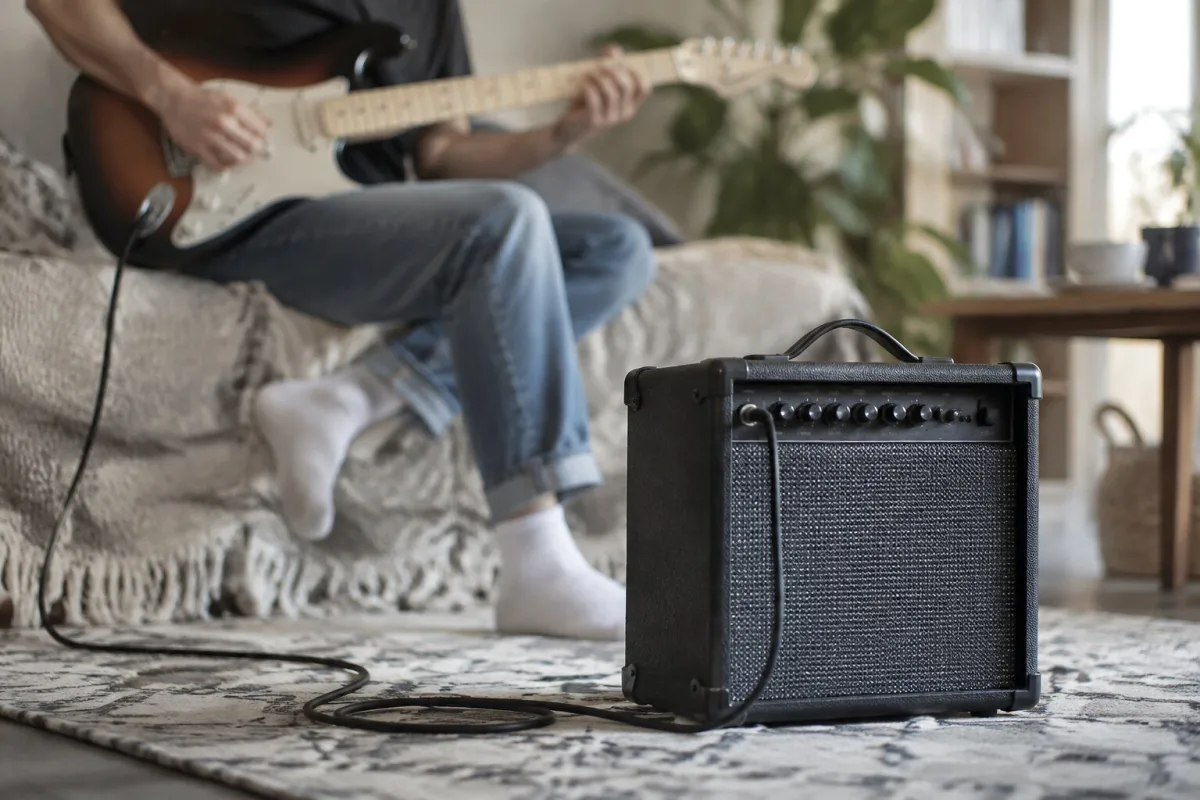
I grew up surrounded by music, and I learned early that the right gear makes you want to pick it up. A practice amp might seem like the smallest, cheapest part of the setup, but it's actually the one thing you'll use every single day—the amplifier between your fingers and what you hear. Getting it right makes all the difference.
Start With Your Space, Not the Specs
Before you look at a single amp, be honest about where you'll play. A shared flat with neighbours downstairs needs a different approach to someone with a detached studio. Someone who travels might prioritise weight; someone practising late at night needs headphone capability. The amp isn't one thing—it's you, your space, and your routine.
This is why wattage ratings are the red herring that catches beginners every time. A 20-watt solid-state combo in a small bedroom will rattle pictures on the wall. A 5-watt tube amp with the right speaker can fill a room with body and presence. What sounds good is what matters.
The Three Routes Forward
Solid-State: The Sensible Choice
Solid-state amps are the practical entry point for most people. They're affordable—often £100–300 for a decent beginner unit—reliable (they almost never break), lightweight, and they stay clean at low volume. If you're starting out and not sure what you want yet, this is where to begin. A Fender Mustang LT25, Blackstar ID:Core or Orange Crush won't let you down.
Digital Modelling: The Swiss Army Knife
Modelling amps like the Boss Katana or Positive Grid Spark represent where the industry is headed. You get dozens of amp simulations, effects, Bluetooth connectivity, USB recording, and mobile app integration. They're lighter than tube amps, more versatile than solid-state, and increasingly the choice of professional players who want to experiment without owning a garage full of gear.
They cost more upfront (£300–600), but you're getting essentially a recording studio and effects processor in addition to an amplifier.
Tube: The Soul Route
If the sound and feel matter more than practicality, a small tube combo (5–15 watts) delivers something neither solid-state nor modelling quite captures: natural power-amp compression and harmonic depth. Brands like Vox, Orange, and Marshall make beautiful small tube amps that make practising genuinely inspiring.
But be realistic: they're heavier, they need maintenance, they sound best when turned up (defeating "practice" volume requirements), and they're more expensive. This is the choice when tone is the priority.
Features That Solve Real Problems
Once you've picked the type, look for features that address your actual situation:
- Headphone output with cabinet simulation — if silent practice matters to you, insist on this. A basic headphone jack that just mutes the speaker isn't enough; cabinet simulation makes silent practice sound realistic.
- Bluetooth or auxiliary input — if you want to play along with backing tracks or recordings, this is essential. Without it, you're playing in silence and building awkward muscle memory.
- USB audio — if you record demos or use a DAW, direct USB output saves setup hassle.
- Effects and modelling — even basic combos now include reverb and delay. Overdrive and modulation add creativity and make practising more interesting.
- Compact size — if space is tight, an 8-inch speaker combo offers surprising volume for its footprint.
Real Budget Guidance
£100–250: Entry-level solid-state combos. Good for beginners, reliable, but limited tonal variety. Fender Champion 20, Vox Pathfinder, Blackstar ID:Core are solid choices.
£250–500: Mid-range modelling amps or better solid-state combos. This is where you get genuine versatility—proper effects, multiple amp simulations, often USB connectivity. Boss Katana 50 and Positive Grid Spark are both excellent.
£500–1000: High-end modelling, professional tube combos, or entry-level boutique amps. At this level, you're buying character or cutting-edge features. Worth it if you're serious.
£1000+: The sky's the limit. Boutique tube amps, premium modelling systems, vintage finds. Only spend this much if you know exactly what you want.
Five Questions to Ask Before Buying
1. Where will I play, and how loud can I actually get? Your room and living situation dictate everything else. Be honest about it.
2. Do I need silent practice? If yes, insist on a good headphone output with cabinet simulation. If no, you have more options.
3. How portable does it need to be? If you're carrying it to lessons or band rehearsals, weight and size matter.
4. Do I want to record or use backing tracks? USB output and Bluetooth connectivity solve different problems. Digital modelling amps excel here.
5. Do I have a friend or teacher whose tone I respect? Ask what they use and why. Real recommendations beat spec sheets every time.
The Final Word
The best practice amp is one that sits in your space looking friendly, sounds good at volumes that won't upset your life, and makes you want to practise regularly. It doesn't need to be expensive or complicated. It just needs to feel right. Try before you buy—even if it means ordering online and returning it—because you're not just buying an amp. You're buying your daily relationship with the instrument.





Comments