


Bass Guitar Practice Amp Buying guide
Bass Guitar Practice Amp: A Complete Buyer's Guide
Expert guidance on selecting a bass guitar practice amplifier. Learn wattage requirements, speaker configurations, and avoid common purchasing mistakes.
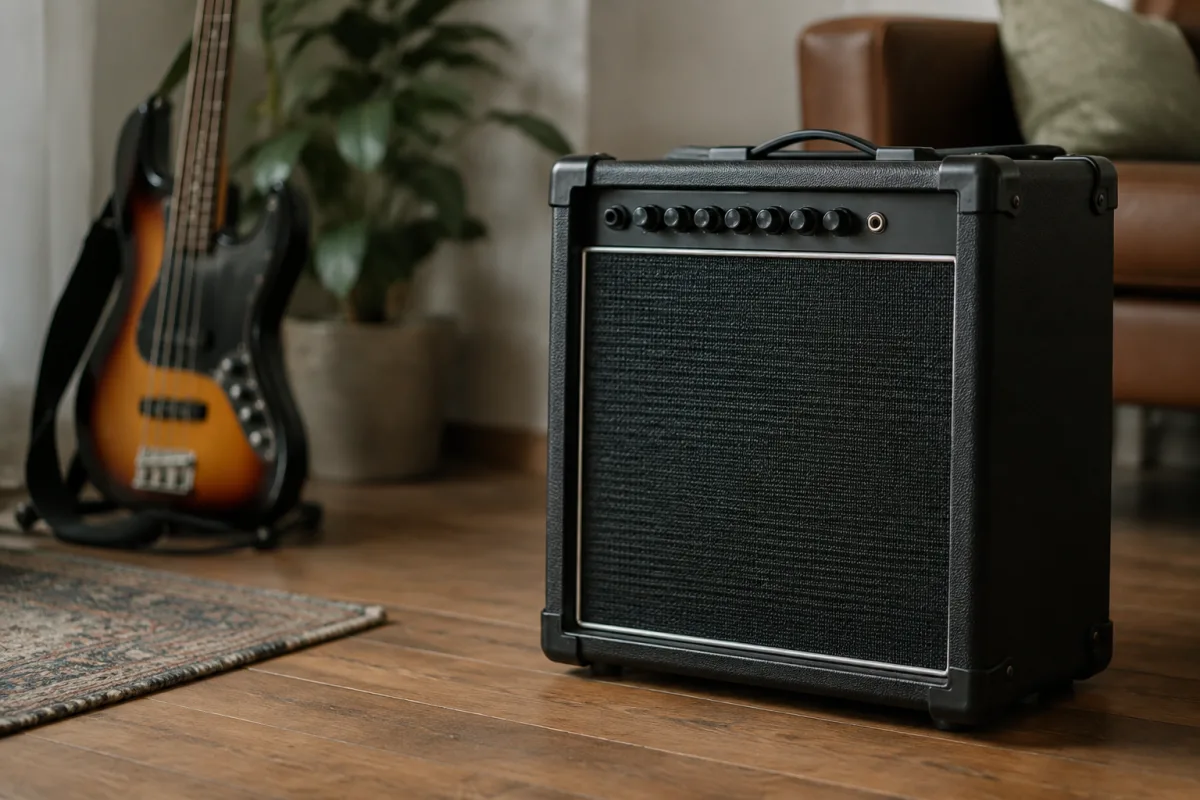
Selecting a bass guitar practice amplifier involves distinct considerations from general-purpose instrument amplification, and purchasing incorrectly leaves you either overpaying for unnecessary features or struggling with inadequate low-frequency response undermining your practice sessions. Bass requires specialised amplification—compact guitar amplifiers often produce weak, muddy bass, frustrating your development. This buying guide focuses on practical purchasing decisions for bass guitarists: which specifications genuinely matter for practice, how to evaluate wattage requirements for different scenarios, common mistakes, realistic pricing across the practice amp market, and how to ensure your investment delivers satisfying tone that inspires consistent practice. For comprehensive technical information about bass amplifier technology and specifications, our complete guide to bass guitar practice amplifiers provides detailed context. Here, we concentrate on making intelligent purchasing decisions aligned with your actual practice requirements.
Wattage Requirements for Bass Practice
Bass amplification wattage requirements differ substantially from guitar amplifiers—bass generates lower frequencies requiring more amplifier power to achieve equivalent perceived volume. A 30-watt bass amplifier requires roughly triple the headroom of a 30-watt guitar amp to produce comparable bass tone. Understanding realistic wattage for various practice scenarios prevents undersizing frustrations.
For bedroom practice in residential environments where volume levels remain modest, 15–25 watts suffices. This wattage provides adequate bass response and tone shaping capability without overwhelming neighbours or roommates. Small band rehearsals (3–5 musicians) demand 30–50 watts minimum; less power produces inadequate presence within the ensemble. Larger rehearsal spaces or full-volume gigging preparation requires 60+ watts. Honestly evaluate your typical practice scenarios—if you gig regularly at high volume, sized your amp accordingly rather than purchasing budget practice models you'll outgrow within months.
Understanding Speaker Configuration and Frequency Response
Bass amplifiers differ fundamentally from guitar amps in their speaker design. Compact practice amps sometimes use single 10-inch speakers; quality models typically feature 12-inch or larger drivers paired with tweeters for high-frequency clarity. Larger driver diameter means more efficient bass reproduction—a 15-inch speaker produces substantially more convincing bass than a 10-inch driver at equivalent wattage. Larger enclosures also contribute to bass response; compact cabinets inevitably struggle with low-frequency reproduction compared to roomy designs.
Examine frequency response specifications. Adequate bass response means reproducing down to 40 Hz minimum; 35 Hz or lower suits players emphasising low-end punch. High-frequency extension (5 kHz and above) ensures clarity and definition, particularly important for slap bass and high-register playing. Narrow frequency responses produce thin, underwhelming tone that frustrates practice sessions. Quality practice amps maintain relatively broad frequency responses despite compact sizes.
Consider speaker quantity—combo amplifiers integrate speaker into the amplifier cabinet. Some combo designs include multiple speakers (dual 12-inch or 10-inch plus tweeter combinations), delivering superior frequency coverage compared to single-speaker models. Separable amplifier head and speaker cabinet designs offer upgrade flexibility—you can improve cabinets independently of amplification. For beginners, combo designs simplify operation; experienced players often prefer separate amplifier and cabinet configurations.
Amplifier Features and Connectivity
Evaluate input options matching your bass and performance setup. Most practice amps feature standard quarter-inch instrument inputs; some include additional inputs for external audio sources (computers, backing tracks). XLR inputs (professional audio connectors) appear on higher-end models. Your actual needs probably involve simple quarter-inch inputs; additional connectivity adds cost without necessity for practice scenarios.
Built-in effects (distortion, chorus, reverb, compression) appeal initially but usually matter less than fundamental tone quality. Budget practice amps sometimes include dated or poor-sounding effects; professional models provide modern, quality processing. Evaluate whether you genuinely want effects in your practice amp or if you'd prefer focusing exclusively on clean tone shaping. Simpler, effects-free designs often deliver superior core tone quality for lower prices.
Headphone outputs appear on many practice models, enabling silent practice without disturbing others. This feature proves invaluable for flat dwellers or late-night practice sessions. Verify headphone output quality—cheap implementations produce thin, harsh tones through headphones. Quality headphone outputs sound nearly as satisfying as speaker output.
Common Purchasing Mistakes
The most frequent error involves purchasing guitar amplifiers for bass use, then discovering inadequate low-frequency response and weak tone. Guitar amps physically cannot reproduce bass adequately—attempting to do so frustrates learning. Never compromise on amplifier type; bass requires bass-specific equipment. Quality bass practice amps cost modestly more than guitar equivalents but deliver essential bass response justifying the investment.
Many buyers underestimate wattage requirements, purchasing underpowered models that seem adequate during shopping-cart decisions but frustrate during rehearsals with full bands. 15-watt models feel powerful in stores but often disappoint through actual ensemble playing. Budget 30+ watts for realistic flexibility; if you later discover you practise primarily solo, excessive wattage causes minimal problems compared to underpowering regrets.
Some purchasers prioritise fancy effects or features over core amplifier quality. A simple 30-watt bass amp with excellent tone and reliable operation outperforms a feature-laden 20-watt model with inadequate bass response. Scrutinise fundamental tone quality before evaluating peripheral features.
Beginners frequently overlook cabinet size and speaker configuration, purchasing compact combo amps then discovering insufficient bass response. Larger cabinets cost more but deliver dramatically superior tone. If you anticipate gigging within a year, invest in adequately-sized equipment preventing rapid obsolescence and upgrade frustration.
Bass Guitar Practice Amp Pricing Tiers
Bass practice amplifiers span moderate price variation based on wattage and speaker configuration:
| Price Range | Typical Models | Best Suited For |
|---|---|---|
| £100–250 | 15–25 watt compact combo amps | Bedroom practice, silent neighbours requirement, absolute budget |
| £250–500 | 30–50 watt combo amps, quality drivers | Band rehearsals, gigging preparation, consistent players |
| £500–1,000 | 60+ watt combos, separate head/cabinet options | Professional gigging, large rehearsal spaces, touring musicians |
| £1,000+ | Premium separate systems, boutique designs | Professional touring, commercial studios, audiophile enthusiasts |
The £250–500 range delivers optimal value for most developing and active bass guitarists. Amplifiers in this tier combine adequate wattage for realistic ensemble playing, quality speaker drivers supporting convincing bass tone, and reliable construction. Budget options (£100–250) suit bedroom-only players but sometimes compromise tone quality significantly. Premium products (£500+) justify investment primarily through enhanced durability and professional-grade tone rather than revolutionary improvements suitable for developing players.
Evaluating Tone Quality and Responsiveness
Before committing to purchase, audition your candidate amplifier with your actual bass guitar through your preferred music styles. Listen to how it handles low-end punch and high-register clarity. Evaluate tone quality at various volume levels—some amps compress or distort unpleasantly at higher volumes. Test whether tone remains consistent whether you're playing fingerstyle, slap techniques, or pick styles.
Pay attention to how well the amp responds to your playing dynamics. Quality practice amps preserve dynamic expression—soft playing sounds appropriately gentle, aggressive playing conveys power. Budget models sometimes compress all playing dynamics, producing static tone unresponsive to your actual playing. This responsiveness becomes increasingly important as your skills develop, so prioritise this quality.
Consider the amplifier's tonal flexibility. Adjustable bass, midrange, and treble controls enable tone shaping for different music styles and bass characteristics. Three-band equalisation (bass, mid, treble) provides adequate control for most applications. More sophisticated controls appear on higher-end models; beginning players rarely need complex tone-shaping options.
Making Your Selection
Before purchasing, establish your realistic practice scenarios honestly. Bedroom practice only? Small rehearsal spaces? Gigging preparation? Your honest answer determines appropriate wattage and cabinet size. Purchase adequately for your actual realistic needs within two years, not for occasionally-imagined scenarios. An amp serving your real requirements excellently outperforms an over-specified system collecting dust.
Prioritise tone quality and fundamental amplifier characteristics over feature lists and appearance. A plain-looking 30-watt combo with exceptional bass response and tone outperforms a visually impressive 20-watt model with inadequate response. Audition multiple models, comparing tone quality at your typical playing volumes rather than relying on specifications or marketing claims.
Finally, factor ongoing maintenance and potential modifications into your consideration. Quality bass amps remain satisfying for years; budget models sometimes develop problems requiring repair or replacement within two years. Modest premium investments in quality amplification deliver reliability and satisfaction justifying their costs substantially more reliably than budget alternatives.


Comments