
Pedal Mxr Delay article
The Complete Guide to Pedal Mxr Delay
The MXR delay pedal delivers clarity and reliability for creating atmospheric guitar effects. Discover how to use delay creatively and integrate it into your setup.
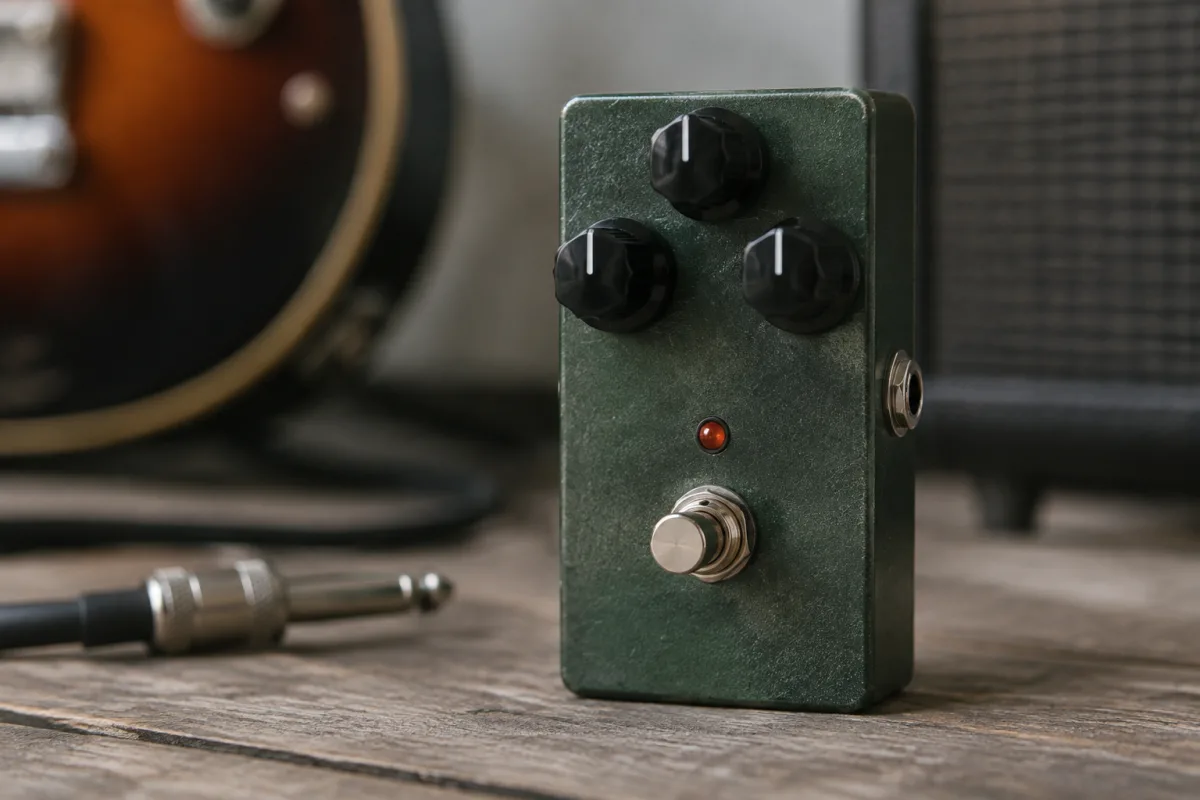
Delay is one of the most creative and musical effects in a guitarist's arsenal. The MXR brand has long been a trusted name in compact guitar effects pedals, and their delay pedals deliver rich, atmospheric sounds in a small footprint. Whether you're adding subtle echo to your tone or creating dramatic, spacious soundscapes, an MXR delay pedal offers reliability and sonic versatility that suits both studio and live performance.
Understanding Delay Effects on Guitar
Delay repeats your guitar signal at intervals after you play a note. The effect creates a sense of space and rhythm, adding depth to solos and texture to chord work. Unlike reverb, which simulates room reflections, delay produces distinct, repeating copies of your signal. A good delay pedal lets you control the number of repeats, the time between them, and how loud the repeats are relative to the original signal.
What an MXR Delay Pedal Offers
MXR delay pedals are compact, durable stompboxes designed for players who want reliable performance without excessive size or complexity. They typically feature a simple footswitch for on-off control, knobs for adjusting delay time, feedback (repetition depth), and output level. Most modern MXR delay designs include features like true bypass (so the effect doesn't colour your tone when switched off) and LED indicators showing whether the effect is active.
The sound character of an MXR delay pedal leans toward clarity and definition. Unlike vintage analog delays that colour the tone and degrade with each repeat, MXR delay pedals maintain fidelity across all repeats, making them ideal for both subtle ambience and pronounced, spacious effects.
Key Features of Popular MXR Delay Models
MXR manufactures several delay pedal options to suit different playing styles and budgets. Their compact models fit easily on crowded pedalboards. Their larger, more feature-rich versions offer tap-tempo controls (letting you sync the delay to the song's tempo by tapping the footswitch rhythmically) and expression pedal jacks for real-time control of delay time or feedback during performance.
The build quality of an MXR delay pedal is professional-grade. MXR pedals are known for durability through years of gigging and studio use. Repair and replacement parts remain available, and the brand has a strong track record for reliability.
Using an MXR Delay Pedal in Your Signal Chain
Placement matters. Most players put delay toward the end of their signal chain, after distortion and modulation effects but sometimes before reverb. This arrangement lets delay repeats carry the coloured tone from earlier effects without overwhelming the original note. Start with modest delay time (around 400–600 milliseconds for most tempos) and feedback around 30–40% so repeats are audible but not distracting.
Experiment with different settings to find your sweet spot. A longer delay time and higher feedback create ambient, spacious textures, whilst short times and low feedback add subtle width without dominating the mix.
MXR Delay Pedal vs. Other Delay Options
Analog delays like the Electro-Harmonix Memory Man colour the tone with each repeat, creating a warm, degraded character prized in some genres. MXR delay pedals offer pristine digital delay with no tone colouration. Boss delay pedals have similar characteristics. Choosing between brands often comes down to price, size, and specific features rather than sound character. An MXR delay pedal is often excellent value for gigging musicians who need reliability and clarity.
Getting the Most from Your MXR Delay Pedal
Start simple. Use basic tempo and feedback settings until delay becomes instinctive to your playing. Pay attention to how delay interacts with your amp's reverb — sometimes subtle reverb plus delay works better than either effect alone. If your MXR delay pedal has tap-tempo, spend time learning to sync delays to songs by tapping along. This transforms delay from a static effect into a rhythmic tool that sits perfectly with the groove.
Record yourself experimenting. Hearing how different settings affect your tone in playback often reveals combinations you wouldn't discover by ear alone in a loud environment. Save your favourite settings mentally or document them if your pedal has presets.
Pedal Integration and Considerations
An MXR delay pedal integrates easily into any pedalboard. Power consumption is modest — most modern units run on a single 9V battery or an inexpensive power adapter. The compact size means it doesn't take up excessive board real estate. True bypass ensures that when you switch the pedal off, your tone returns completely unchanged.
Conclusion
An MXR delay pedal is a reliable, versatile tool for any guitarist seeking atmospheric depth and creative texture. The clarity and durability of MXR delay pedals make them ideal for both studio and live use. Explore different delay times and feedback settings to discover how this classic effect can enhance your personal sound and open new creative possibilities.


Comments