
Pedal Compressor Boss article
The Complete Guide to Pedal Compressor Boss
Boss compressor pedals shape dynamic range and extend sustain, essential for consistent tone in live and studio settings. Discover how compression works and which models suit your needs.
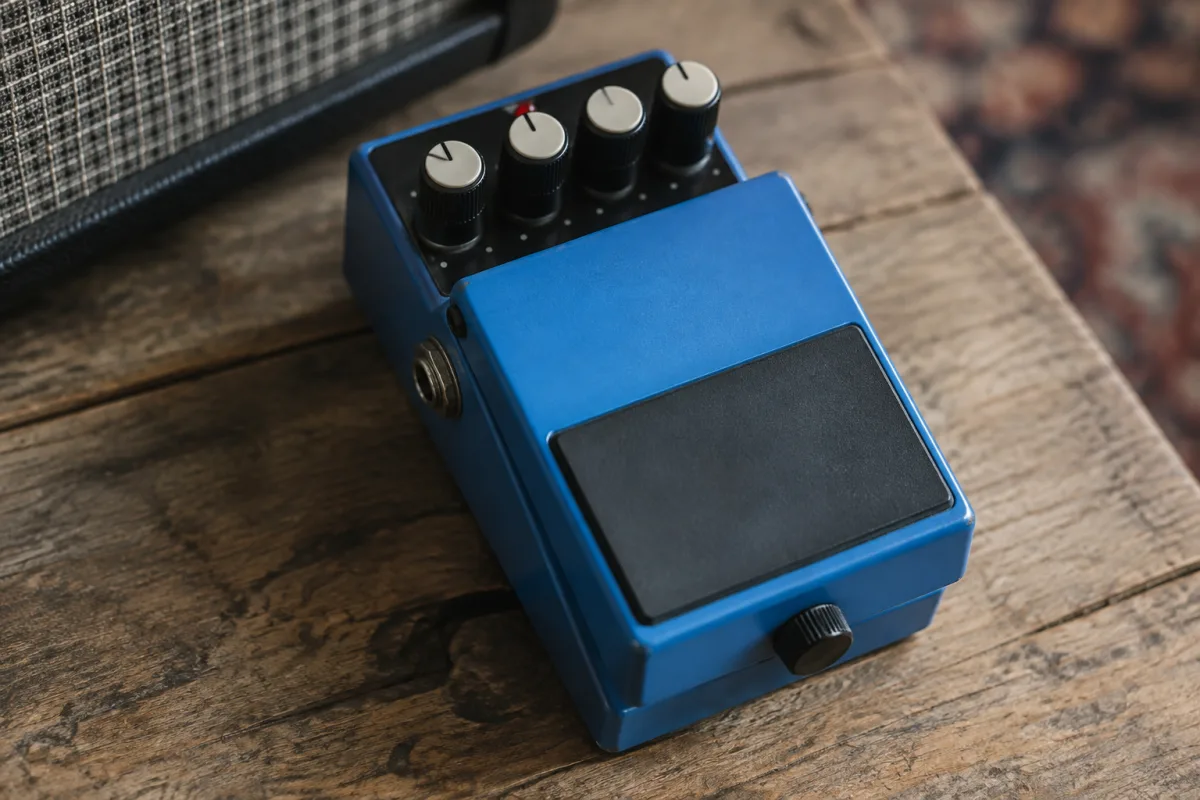
Compressor pedals shape tone by evening out dynamic range—controlling volume peaks and sustain. Boss compressor pedals are industry-standard tools for bassists, guitarists, and keyboardists seeking consistency and tone shaping. Whether you're after smooth, even sustain or dynamic control in live performance, understanding compression and choosing the right Boss compressor pedal is essential for modern musicians.
What Does a Compressor Pedal Do?
A compressor pedal reduces the volume of loud signals whilst raising quieter ones, resulting in more consistent overall output. This "dynamic control" prevents sudden volume spikes, extends sustain on single notes, and creates a "glued" tone where every played dynamic sits in a consistent range.
Key compression parameters include ratio (how aggressively the compressor acts), attack time (how quickly it responds), release time (how quickly it stops compressing), and makeup gain (output level compensation). Understanding these settings helps you dial in the tone you want.
Boss Compressor Pedal Models
Boss offers several compressor pedal variants serving different needs:
- CS-3 Compression Sustainer: Boss's classic compressor pedal, simple and affordable (£80–100). Three knobs control sustain, attack, and tone. Widely used for straightforward compression needs.
- CP-1X: A modern update with more control knobs including a display showing compression behaviour. Around £120–150.
- MS-3 Multi-Switch: A comprehensive multi-effects unit including high-quality compression; overkill if compression alone is your need, but powerful if you want effects versatility.
- Waza Craft versions: Premium Boss pedals with enhanced components and more sophisticated compression algorithms. Expect to pay £150–200.
Compression for Different Instruments
Bassists love compressor pedals, as compression evening sustain and preventing sudden volume dips keeps bass consistent in a mix. The Boss CS-3 became a staple on bass boards partly because it controls dynamics beautifully.
Guitarists use compression for sustain—keeping notes ringing longer—and tone shaping. Heavy compression creates a "squeezed" tone popular in funk, funk-rock, and some alternative genres. Subtle compression adds polish without obvious effect.
Keyboardists use compression less obviously (their dynamics are already controlled by velocity sensitivity), but compression can even out acoustic piano sounds or create specific tonal effects.
Sustain and Tone Shaping
One of compression's primary benefits is sustain extension. A heavily compressed note rings longer than the natural string/pickup decay would allow. This is why rock and blues guitarists often add compression—it gives their tone presence and presence.
Compression also shapes tone. High compression creates a "squashed" character; subtle compression adds polish and consistency without obvious effect. The attack parameter controls whether compression reacts immediately (fast attack) or lets initial pick attack through (slow attack), affecting tone personality.
Pedalboard Integration
Compressor pedals traditionally sit early in signal chains—after the tuner, before distortion or other effects. This allows compression to work on the pure instrument signal. Some players place compression after distortion instead, compressing the entire distorted signal. Both approaches work; your preferred tone determines placement.
Boss compressor pedals include standard input/output jacks and integrate seamlessly into any pedalboard. Most pass signal when off, so you can leave them permanently wired.
Standalone Use and Practicality
Unlike some effects pedals (reverb, delay), compression is most useful as a permanent board member rather than occasional effect. It's always working, shaping your tone. Because of this, choose a compressor pedal you enjoy the tone of—you'll hear it every time you play.
Boss compressor pedals are durable, reliable, and affordable enough that buying one doesn't require extensive deliberation. They're entry points into compression for players new to the effect.
Controls and User Interface
The CS-3 keeps it simple: sustain, attack, and tone knobs. More complex models add ratio, threshold, release controls, and displays showing compression behaviour. For most applications, simple controls suffice. If you're deep into sound design, a compressor with more parameters offers greater tonal control.
Alternatives and Comparisons
Other brands offer compressor pedals—MXR, TC Electronic, Xotic—often with more features or different sonic characters. However, Boss compressor pedals remain popular because they're affordable, reliable, and sound professional. They're not "best" in any absolute sense, but they're trusted workhorses across genres and playing styles.
Conclusion
A Boss compressor pedal is a foundational effects pedal, shaping tone and controlling dynamics in ways that enhance most playing styles. Whether you're after bassline consistency, guitar sustain, or overall tone polish, a compressor pedal is a worthwhile addition to your rig. Boss's affordable, reliable options make dynamic control accessible to everyone.


Comments