


Peavey Guitar Amp article
Everything You Need to Know About Amp Guitar Peavey
For decades, Peavey has built robust, affordable amplifiers that deliver professional-grade tone at every price point. Discover what a Peavey guitar amp offers across solid-state and valve designs.
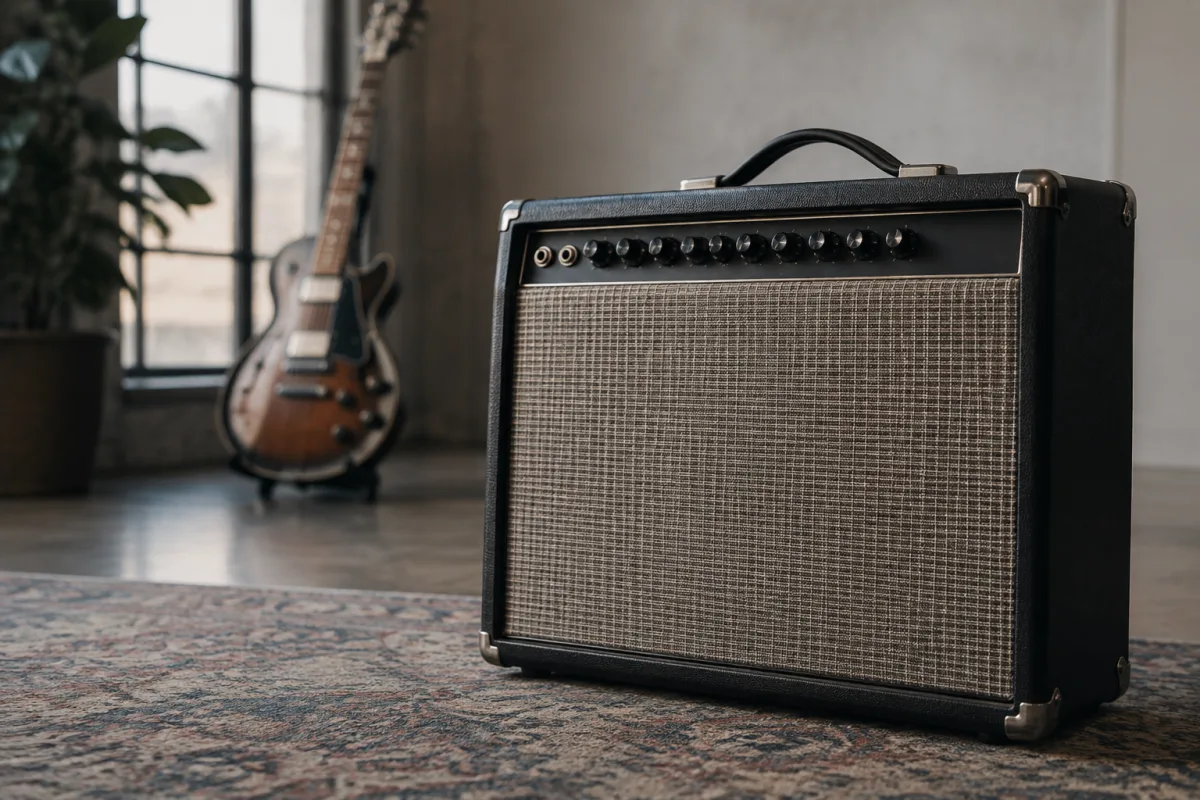
For decades, Peavey has been synonymous with robust, affordable amplification. The Peavey guitar amp range represents the brand's commitment to delivering powerful sound at price points that make professional-grade tone accessible to guitarists at every level. Whether you're a weekend player in a garage band or a touring musician on the road, understanding what these amplifiers offer is essential to finding the right equipment for your needs.
The Peavey Legacy in Amplification
Peavey's journey into amplification began in the 1960s when the company established itself as a reliable manufacturer of music equipment. The range encompasses everything from compact practice units to thunderous full-stack systems. What sets Peavey apart is their engineering philosophy: build amps that work harder, last longer, and deliver real value without compromising on tone or durability. Many professional players across rock, metal, country, and blues genres have depended on these amplifiers for decades.
Key Models and Applications
The Peavey lineup includes several iconic models suited to different applications:
- Peavey Bandit — A solid-state workhorse offering reliable tones at moderate volume levels, ideal for practice and small venues
- Peavey Valverb — Combines valve preamp characteristics with solid-state power, delivering classic warmth alongside modern durability
- Peavey 5150 Series — Designed specifically for hard rock and metal, known for aggressive gain and cutting through loud mixes
- Peavey Transtube — A pioneering solid-state technology that emulates valve amp characteristics without valve breakup fragility
- Peavey Windsor — A modern all-tube option aimed at players seeking authentic valve tone in a compact format
Solid-State versus Valve Designs
Peavey's product range spans both solid-state and valve-based designs, each with distinct advantages. Solid-state models, such as the Bandit series, offer reliability, low maintenance, and consistent performance across extended touring schedules. These amps rarely need re-tubing or biasing, making them practical for gigging musicians who cannot afford lengthy downtime.
Conversely, valve amplifiers provide the organic, responsive feel many players cherish. The Valverb and Windsor models employ genuine tubes in their signal path, lending a natural compression and harmonic richness that draws praise from tone-conscious guitarists. The trade-off is that valve designs require periodic tube replacement and more careful handling during transport.
Power Ratings and Applications
Peavey's offerings typically range from 20 to 120 watts, with power scaling options on higher-end models. A 20-watt unit works well for home practice and small clubs, delivering sufficient volume to fill a modest room. For venues and rehearsal spaces, 50-100 watts provides more headroom and stage presence. The modern trend towards lower-wattage amplifiers has led Peavey to refine their compact offerings without sacrificing the tone that professionals expect.
| Wattage Range | Best Application | Suitable Venues |
|---|---|---|
| 20–30W | Home practice, recording | Bedroom, studio, small clubs |
| 50–75W | Gigging, rehearsal | Small venues, medium clubs, tour support |
| 100–120W | Large venues, festivals | Concert halls, outdoor festivals, arena support |
Tone Shaping and Controls
Every Peavey model features intuitive tone controls that cater to diverse playing styles. Standard three-band EQ (bass, midrange, treble) allows quick sculpting of your core sound. Many models add a presence control that shapes high-frequency response for cutting through the mix or sitting back in a fuller arrangement. The Transtube technology found in numerous Peavey amplifiers introduces an on-board overdrive channel with its own gain and EQ, giving players two distinct platforms from a single unit.
Reliability and Serviceability
These amplifiers earn their reputation partly through exceptional durability. The company designs units with serviceable components, meaning replacement tubes, transformers, and capacitors are readily obtainable and straightforward to install. Many models have remained in production for 10, 15, or even 20 years, ensuring a healthy market for spare parts and secondhand units. This longevity appeals to musicians who view their equipment as a long-term investment rather than a disposable purchase.
Why Choose Peavey?
Contemporary guitarists face an embarrassment of sonic choices, yet a Peavey guitar amp remains a sensible option for those seeking proven reliability and transparent tone. The brand's track record across rock, metal, country, and blues means that hundreds of thousands of working musicians have chosen Peavey at some point in their careers. Whether hunting for a first amplifier or a workhorse for professional touring, the range offers real value and minimal sonic compromise.
Conclusion
The Peavey guitar amp stands as a testament to intelligent design and manufacturing restraint. For over five decades, the company has refined its amplification philosophy: deliver the tone and durability guitarists demand at prices that remain genuinely accessible. Whether you opt for a compact solid-state model for practice or a full-bodied valve design for the stage, these amplifiers provide a dependable platform for your music. The investment in a quality Peavey amplifier typically rewards the player with years of reliable service, making it a choice worth considering at any stage of your musical journey.





Comments