


Peavey Classic 20 Head article
Peavey Classic 20 Head for Beginners: A Complete Guide
Your first tube amp doesn't need to be intimidating. This beginner's guide walks you through setup, controls, and building confidence with the Peavey Classic 20.
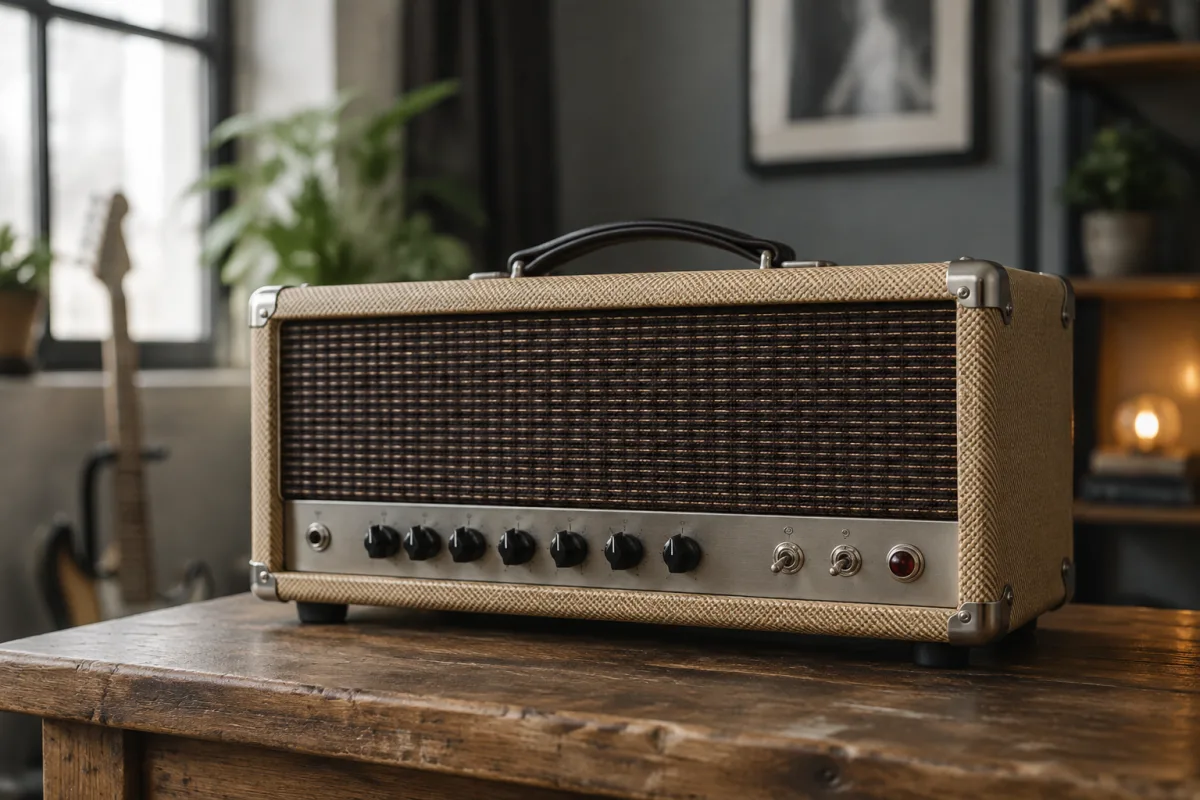
You've acquired a Peavey Classic 20 head—a genuine tube amplifier with decades of proven reliability and tone. If you're holding your first tube amp, you might feel uncertain. Tube amps aren't mystical, but they do differ from solid-state amplifiers in meaningful ways. This guide walks you through your first steps with the Classic 20, introduces you to how it works, shows you how to set it up correctly, and helps you avoid beginner mistakes that could damage the amp or frustrate you before you've discovered what it can do.
Understanding What You've Got
The Peavey Classic 20 is a legendary amplifier. Thousands of blues, rock, and alternative musicians have built their tones on this amp over the past 30 years. You're not learning on an inferior instrument; you're learning on a tried-and-true platform. That heritage matters because it means you'll find tutorials, support, and tone reference examples everywhere. Your amp is dependable; now you need to be too.
The Classic 20 is a tube head, meaning all its signal processing happens in vacuum tubes rather than transistors. This makes it responsive to how hard you hit your guitar and how you set your controls. Learning a tube amp teaches you fundamentals that carry to any guitar amplifier. You're building real skills, not just learning one amp's quirks.
Basic Safety and Setup Precautions
Before turning anything on, understand that tube amps run at dangerous electrical voltages. You don't need to fear the Classic 20, but you do need to respect it. Never tinker with the amplifier's internals. Replacing tubes is straightforward and safe; everything else is technician territory. If you're uncertain about something internal, take it to a qualified amp technician. Your curiosity isn't worth the risk.
Always plug your guitar and cabinet into the amp before powering it on. Never turn the amp on without a speaker cabinet connected—this will destroy the output transformer. Similarly, always plug in your guitar cable before switching the amp on. These two habits become automatic after the first week and prevent costly mistakes.
The Classic 20 should warm up for 30 seconds after powering on before you start playing. This gives the tubes a moment to reach operating temperature. It's a small detail, but respecting it keeps your amp healthier and sounding better.
Getting Acquainted with the Controls
The Classic 20's control panel looks more intimidating than it is. You have Input Level, Master Volume, Treble, Middle, Bass, and Presence. That's it. No reverb, no effects, no complex menus. Just pure amplification. This simplicity is actually your advantage—it forces you to develop your tone through your playing hand and guitar setup, not through effect-tweaking.
Input Level controls how hard you drive the preamp. At low levels (7 o'clock position), the amp sounds clean even if you play hard. As you increase Input Level, the preamp starts to saturate (overdrive), giving you natural breakup and sustain. For most playing, find the Input Level that feels responsive to your dynamics. If you pick softly and the amp reacts softly, and you pick hard and it responds with more gain, you've got Input Level set right.
Master Volume controls overall loudness. Set it to a comfortable level for your space. In a small bedroom, you might run Master Volume at 1–2. In a rehearsal space, 4–6 is typical. Master Volume doesn't dramatically change tone the way Input Level does; it just makes the amp louder or quieter.
Treble, Middle, Bass shape your tone. Start with these all at 12 o'clock (noon position). They're neutral there. From this baseline, small adjustments go a long way. More treble brightens tone and adds aggression; less treble darkens it. Bass adds warmth and low-end body; reduce it if the amp feels muddy. Middle is underrated—boosting it adds clarity and presence.
Presence is the least familiar control for beginners. It shapes the very highest frequencies. Think of it as "sheen" or "bite." Higher Presence adds snap and attack to your tone; lower Presence makes the amp sound softer. Start at noon and adjust to taste. Too much Presence sounds harsh; too little sounds dull.
Your First Week: Finding Your Comfort Zone
Set Input Level to about 10 o'clock and Master Volume to 2. Plug in your guitar and play. This should give you a clean or lightly overdriven tone depending on your guitar's output. Play for a few minutes and adjust Input Level up slightly. Notice how tone changes? That's the preamp responding. Keep adjusting until you find the sweet spot where your natural playing dynamics translate to the amp's response.
Once Input Level feels right, adjust Master Volume to a comfortable level. Then play with Treble, Middle, and Bass in small increments. Make one change, play for 30 seconds, then adjust. You'll quickly develop intuition for how these controls interact.
Spend this first week just playing through the amp without worrying about perfection. You're building familiarity. The Classic 20 is forgiving; there's no wrong setting, only less-comfortable-for-your-ears settings. Your goal this week is comfort and confidence, not tone perfection.
Common Beginner Mistakes to Avoid
Cranking Input Level immediately. The temptation to turn everything up to 11 is real, but restrain it. Start low, increase gradually, and listen carefully. You'll find great tones at 7–10 o'clock Input Level. Anything above that is advanced territory.
Ignoring that a tube amp feels different than solid-state. If you're used to solid-state amplifiers, the Classic 20's response might surprise you. It's more sensitive to your touch and more forgiving of tone shaping. This is a feature, not a bug, but it requires a brief adjustment period. Give yourself a week before concluding the amp isn't for you.
Thinking that more Presence always means better tone. Presence is seductive—it makes the amp jump out and seem louder than it is. But excessive Presence sounds thin and fatiguing. Start at noon and only increase if you feel your tone lacks aggression. Most players keep Presence between noon and 2 o'clock.
Forgetting that tube amps need regular tube replacement. The Classic 20 will eventually need new tubes. This is normal maintenance, not a sign of failure. Tubes age; when they sound dull or weak, replacement (a few hundred pounds and an hour at a technician) restores them to greatness. Plan for this maintenance eventually, but don't rush it. Most tube amps go years between tube changes.
Assuming standby mode matters during casual practice. The Classic 20 has a Standby switch. Flipping it to Standby keeps the amp's power on but reduces tube stress during breaks. It's a nice feature, but if you're playing casually, flipping it isn't essential. For gigging musicians or heavy practice sessions, using Standby between sets is considerate to your tubes.
Turning the amp on and expecting immediate great tone. Tone takes 30 seconds to settle as tubes warm up. Patience is part of using tube amps. Hit your amp power on, step away, grab water, then come back ready to play. This tiny pause becomes part of your pre-play ritual.
Building Confidence in Your Amp
The Classic 20 has been in continuous production for good reason—it works, sounds great, and lasts. If you picked one up, someone valued it enough to own it, which means it's proven. Trust that. Play through your initial uncertainty. Within two weeks, your fingers will have developed muscle memory for your preferred settings. Within a month, you'll stop thinking about the amp and focus entirely on playing.
This amplifier was designed to encourage playing, not discourage it. Every control responds to your touch. The tone is responsive and dynamic. You're not fighting the amplifier; you're playing through a partner that reflects your musical intentions.
Learning the Details
For comprehensive information on the Peavey Classic 20—covering its history, advanced tone-shaping, maintenance, tube replacement, and professional gig preparation—consult The Complete Guide to Peavey Classic 20 Head.
Moving Forward
Your first month with the Classic 20 is about comfort and experimentation. Play daily if you can. Try different control settings and listen to how tone changes. Play different guitar styles—clean jazz, fat blues, aggressive rock—and see how the amp adapts. Notice which settings feel most natural to your hand. This exploration phase is crucial and fun.
The Peavey Classic 20 isn't just an amplifier; it's a tool for learning how amplifiers work and how tone happens. You're ahead of many players simply by owning a transparent, responsive amp that teaches these fundamentals. Embrace the learning curve. Within weeks, this amp will feel like an extension of your guitar playing, and you'll wonder why you ever felt uncertain about it.


Comments