


Peavey Amplifiers article
Peavey Amplifiers for Beginners: A Complete Guide
Starting with Peavey amplifiers doesn't have to be intimidating. This beginner guide covers wattage, model recommendations, essential features, and practical advice.
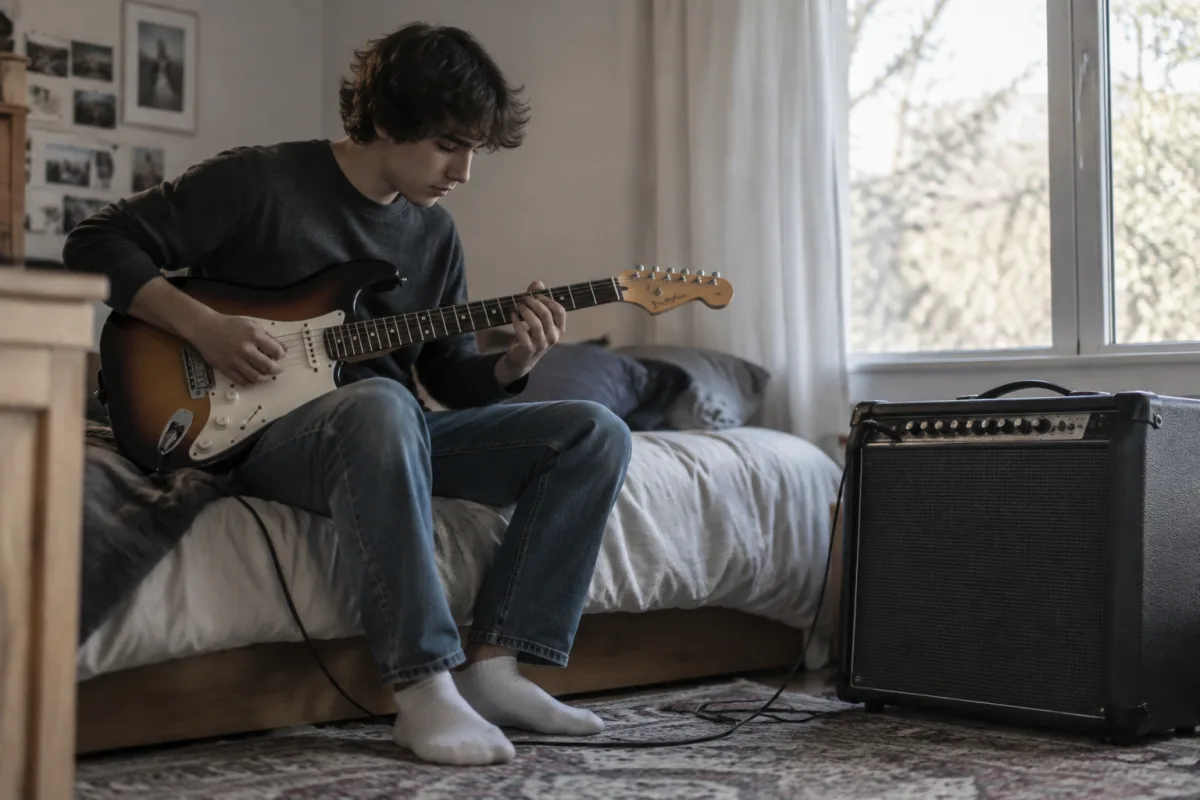
Choosing your first Peavey amplifiers might feel overwhelming. You're staring at specifications, wattage numbers, and model names like "Bandit" and "Vyper" without knowing what they actually mean. Don't worry—starting with Peavey amplifiers is actually simpler than you think. Peavey has built beginner-friendly models for decades, and this guide walks you through selecting your first Peavey amplifiers with confidence and practical advice.
Why Peavey Amplifiers Are Great for Beginners
Peavey amplifiers deserve serious consideration when you're learning guitar. Here's why:
Peavey amplifiers are built tough. They handle accidents, transport between venues, and years of abuse remarkably well. If you're worried about breaking expensive equipment whilst learning, Peavey amplifiers give you peace of mind. They simply last longer than many competitors in the same price bracket.
Peavey amplifiers offer excellent value. You get genuine quality without premium pricing. This means you can invest in decent Peavey amplifiers without excessive expense, leaving budget for guitars and lessons.
Peavey amplifiers sound genuinely good across multiple price points. Entry-level Peavey amplifiers don't sound thin or cheap. They sound like real amps. This encourages practice and makes learning more enjoyable—your tone actually inspires you rather than frustrating you.
Understanding Wattage (The Simple Version)
Your first question about Peavey amplifiers will be wattage. "Should I get 15 watts? 30 watts? 50 watts?"
Here's the uncomplicated truth: Start with 15-30 watts on Peavey amplifiers. That seems quiet, but it's genuinely sufficient for bedroom practice, small band rehearsals, and coffee shop open-mic nights. Louder isn't better when you're learning.
Why not 50W or 100W Peavey amplifiers? Higher-wattage amps cost more, take up more space, and tempt you to play louder than wise. Learning happens best at moderate volumes where you can hear mistakes clearly. Save higher wattage Peavey amplifiers for later when you're playing larger venues.
One more truth: Tube and solid-state Peavey amplifiers sound different. Beginners typically shouldn't stress about this distinction yet. Both deliver excellent tone. Choose whichever feels right to your ear.
Your First Peavey Amplifiers Models to Consider
Several Peavey amplifiers lines suit beginners perfectly.
The Peavey Bandit is legendary for reliability and value. Bandit Peavey amplifiers deliver surprising tone quality at affordable prices. Find one used and you've got a bargain that will last years. New Bandit Peavey amplifiers still cost less than many competitors' offerings.
Peavey Vyper series offers modern features—digital effects, USB connectivity, headphone output. If you want to explore different tones without pedal investment, Vyper Peavey amplifiers provide surprising versatility for the price.
Peavey Rage delivers compact portability. Rage Peavey amplifiers are tiny but powerful for their size, perfect if you're moving between locations frequently or have limited space.
Don't overthink model selection. Honestly, any reputable Peavey amplifiers in the 15-30W range will serve you excellently whilst learning. Focus on what's available locally, what's within budget, and what looks appealing. You'll outgrow your first amp eventually anyway, so don't stress choosing perfectly.
Essential Features Beginners Actually Need
Peavey amplifiers come with varying features. Here's what actually matters versus what you can ignore initially:
Volume control matters. Every Peavey amplifiers has this. You'll turn it down when playing quietly and up when you need more headroom. Essential.
Tone controls (bass, middle, treble) help shape your sound. All Peavey amplifiers worth buying include these. Even a 3-band EQ massively expands your tonal possibilities. This is genuinely useful for learning.
Effects are nice but not essential. If your Peavey amplifiers includes built-in reverb or delay, great. But don't demand it. You can add effects later with pedals if needed.
A headphone output on Peavey amplifiers is brilliant for quiet practice. If the model you're considering has this, it's a bonus you'll appreciate during late-night sessions.
Common First-Timer Mistakes With Peavey Amplifiers
Several errors trap nervous beginners. Recognising these prevents disappointment.
First mistake: Buying too loud Peavey amplifiers. You imagine needing 100W for band practice, so you invest heavily. Reality: Band rehearsal spaces are small and loud. 30W Peavey amplifiers keeps pace easily. Save money; buy a smaller amp.
Second mistake: Ignoring speaker quality on Peavey amplifiers. The speaker inside your amp fundamentally determines tone. Even excellent Peavey amplifiers circuitry sounds thin through cheap speakers. This matters.
Third mistake: Not considering headroom. Peavey amplifiers at full volume distorts differently than clean headroom. You want some breathing room before distortion starts. This seems technical but just means "buy slightly more wattage than you think you need, then turn it down a bit."
Fourth mistake: Overlooking used Peavey amplifiers. Second-hand amps often cost half the new price with identical performance. Used Peavey amplifiers typically last as long as new ones. Seriously consider this option if budget matters.
Your Path Forward With Peavey Amplifiers
Start with a 15-30W Peavey amplifiers in whatever model appeals to you. Practise consistently. Learn to manage volume responsibly. As your playing develops over months and years, you'll discover if you need specific features—vintage tone, modern effects, higher wattage, touring durability. That's when you explore other Peavey amplifiers options or brands entirely.
But right now? Any entry-level Peavey amplifiers gets you started on solid footing. You'll spend far more time getting better at guitar than you will thinking about your amp. That's the right priority.
For comprehensive information covering all Peavey amplifiers models and deeper details on specifications and performance, read our complete guide to Peavey amplifiers, which explores every product line and application.
Your Final Encouragement
Every professional guitarist started with an amp like the one you're considering. Peavey amplifiers have been part of countless learning journeys. You're making a solid choice. Pick a model that feels right, buy it with confidence, and focus on playing. The amp is important but secondary to your actual practice and growth. You've got this.


Comments