


Octave Guitar Effect Buying guide
Octave Guitar Effect: A Complete Buyer's Guide
An octave guitar effect transforms your tone with harmonic layers and thick textures. This buying guide covers polyphonic vs monophonic options, tracking accuracy, and how to choose within your budget.
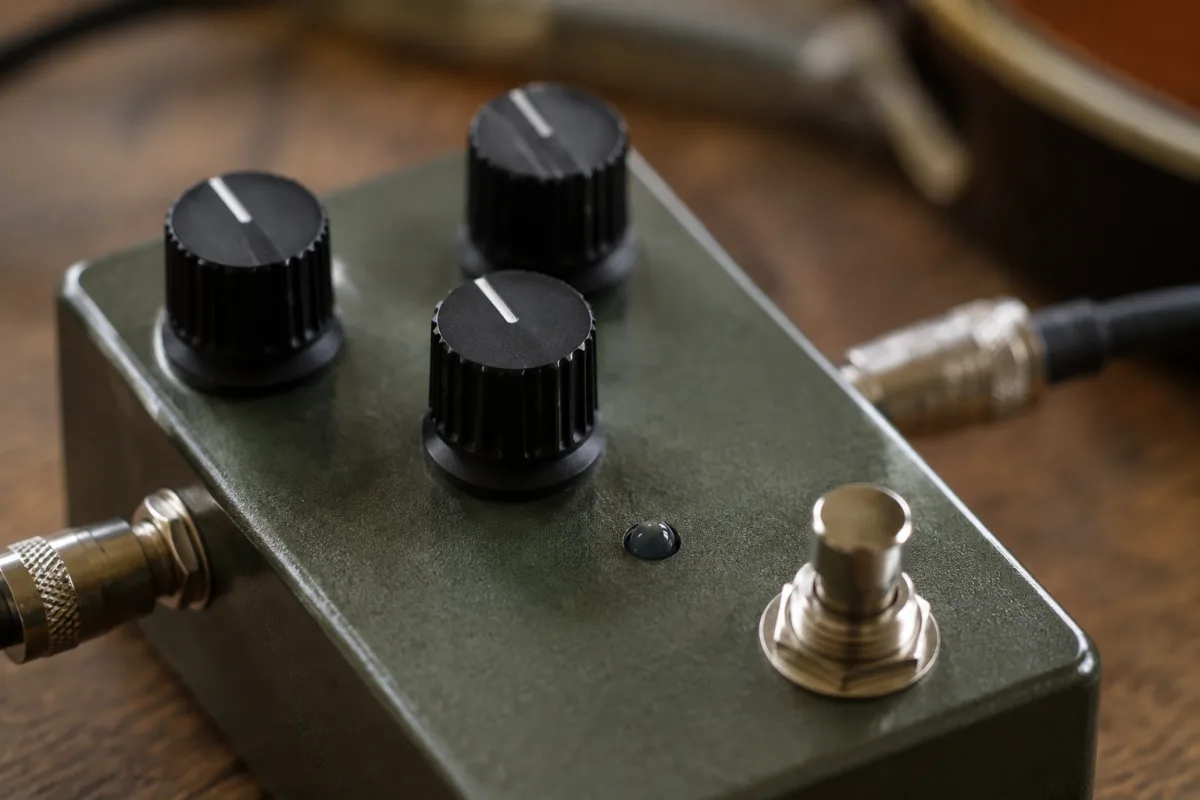
An octave guitar effect shifts your signal up or down by one or more octaves, creating lush harmonic layers, thick bass tones, or ethereal high-end textures. The market offers bewildering variety — from compact single-function pedals to multi-effects units offering dozens of simultaneous voices. This buying guide cuts through the options to focus on playability, tracking accuracy, sound quality, and real-world value, so you pick an octave guitar effect that works for your music and budget.
Polyphonic vs Monophonic Octave Guitar Effects
Your first major choice: does your octave guitar effect need to track polyphonic (chord) playing or just monophonic (single-note) lines? Polyphonic octave guitar effects detect all notes in a chord simultaneously and generate accurate octaves for each — essential for playing full chords with octave effects. They're sophisticated, expensive (£150+), and sometimes unreliable in fast passages. Monophonic octave guitar effects work only on single strings but are cheap (£50–£150), accurate, and stable. Most rock and blues players use monophonic; progressive and experimental players favour polyphonic. Decide based on your actual playing style.
Tracking Speed & Accuracy
Tracking is how quickly the octave guitar effect responds to your note input. Slow tracking creates lag — you play a note and the octave arrives a fraction of a second late, sounding sluggish. Fast tracking is snappy and responsive, crucial for percussive playing and fast bass lines. Test any pedal before buying; pluck a string and listen for delay between your note and the octave. Budget pedals sometimes have noticeable lag; professional units are near-instant. For gigging, tracking speed matters more than you'd think.
Number of Octaves & Voices
Some octave guitar effects generate one octave up or down. Others generate multiple octaves simultaneously (up +1 and +2, or down -1 and -2) or let you layer voices. More octaves sound lush and thick but require careful control to avoid mud. Single octave effects are clean and focused. Check what you get: is it switchable, or is it always on? Can you dial in blend (mix of dry signal to effect)? More control options mean more creative potential but also more menu-diving during performance. Know your workflow before buying.
Latency & Processing Artifacts
Digital octave guitar effects introduce slight processing delay (latency). Most players don't notice delays under 20ms, but some are sensitive. Test with your actual gear before committing. Also listen for artifacts — any hissing, clicking, or digital noise the effect generates. Budget pedals sometimes sound cheap or thin; professional units maintain fidelity. Play familiar songs through the effect and ask: does it sound natural and musical, or processed and plastic? Your ears judge this faster than specs.
Footswitch & Control Options
Consider how you'll operate the octave guitar effect during a gig or recording. Single footswitches turn the effect on/off. Dual footswitches let you toggle between two presets or blend settings. Expression pedals (connected to the effect) let you sweep octave intensity or blend smoothly. Some pedals use tap tempo to set octave sync to a song's tempo. Check whether controls are accessible and intuitive. A cheap pedal with menu-diving to adjust settings is frustrating; a simple footswitch is freeing.
Power & Connectivity
Octave guitar effects run on batteries, USB power, or AC adapters. Battery-powered pedals are portable but need frequent replacement. AC/USB powered units stay on as long as they're plugged in. Check connectivity: does it accept an audio input jack and output jack (standard)? Can it trigger MIDI devices or sync to external tempo? Does it integrate with your pedalboard? Modern pedals increasingly offer these options; budget models sometimes don't.
Sound Character & Quality
An octave guitar effect's sonic character varies dramatically. Some are warm and natural; others are digital and stark. Some compress dynamics; others preserve nuance. Before buying, listen to multiple demos of the exact model. YouTube demos are useful but inconsistent (recording quality, amp settings, and playing style all affect the sound). If you can, visit a dealer and test the effect through your own rig. The effect that sounds best in a YouTube demo might disappoint through your amp.
Price Tiers & Value
Budget octave guitar effects (£50–£150) are fun and offer basic polyphonic or monophonic tracking. They're fine for experimental use but sometimes sound thin or have tracking lag. Mid-range pedals (£150–£350) deliver solid sound, reliable tracking, and intuitive controls — the sweet spot for most players. Professional octave guitar effects (£350–£800+) offer exceptional tracking, multiple voice options, pristine sound quality, and deep control. High-end digital effects (over £800) are overkill for most players. Buy the best-matched option within your budget and actual needs.
Common Pitfalls to Avoid
Don't buy an octave guitar effect based on YouTube demos alone. Recording quality and gear differences obscure reality. Test before committing if possible. Avoid polyphonic tracking if you only play single-note lines; you're paying for complexity you won't use. Another mistake: stacking too many octave guitar effects or combining them with heavy distortion, which creates mud. Less is often more; pick one quality effect and learn its nuances. Finally, don't assume expensive equals better — mid-range pedals often outperform overspecced pricey alternatives for your specific style.
Integration with Your Pedalboard
If you have a pedalboard, check whether the octave guitar effect fits size-wise and integrates with your signal chain. Where should it sit relative to distortion, delay, and reverb? (Typically early in the chain, after gain but before time-based effects.) Can you control it via MIDI from a main controller? Modern pedalboards increasingly offer integrated options; vintage effects are sometimes harder to fit. Know your chain before buying.
Testing & The Final Decision
Try the octave guitar effect with your actual guitar and amp. Play simple bass lines, then chords (if polyphonic). Listen for tracking speed, sound quality, and whether it feels musical or gimmicky. Ask yourself: do I reach for this in real music, or does it feel like a novelty? Buy an octave guitar effect that makes you want to play, not one that looks impressive on a shelf. If you want deeper information about octave effect types, comparison of major brands, and advanced techniques, our complete guide to octave guitar effects covers the full spectrum in detail.
Conclusion
An octave guitar effect transforms your tone and creative options. Choose based on your playing style (monophonic vs polyphonic), tracking accuracy, sound character, and how you'll operate it. Invest in a quality effect you'll actually use — it becomes part of your voice.



Comments