


Marshall Effects Pedal Buying guide
Marshall Effects Pedal: A Complete Buyer's Guide
Looking for a Marshall effects pedal to add legendary tone to your rig? This guide covers pedal types, essential specs and buying mistakes to sidestep.
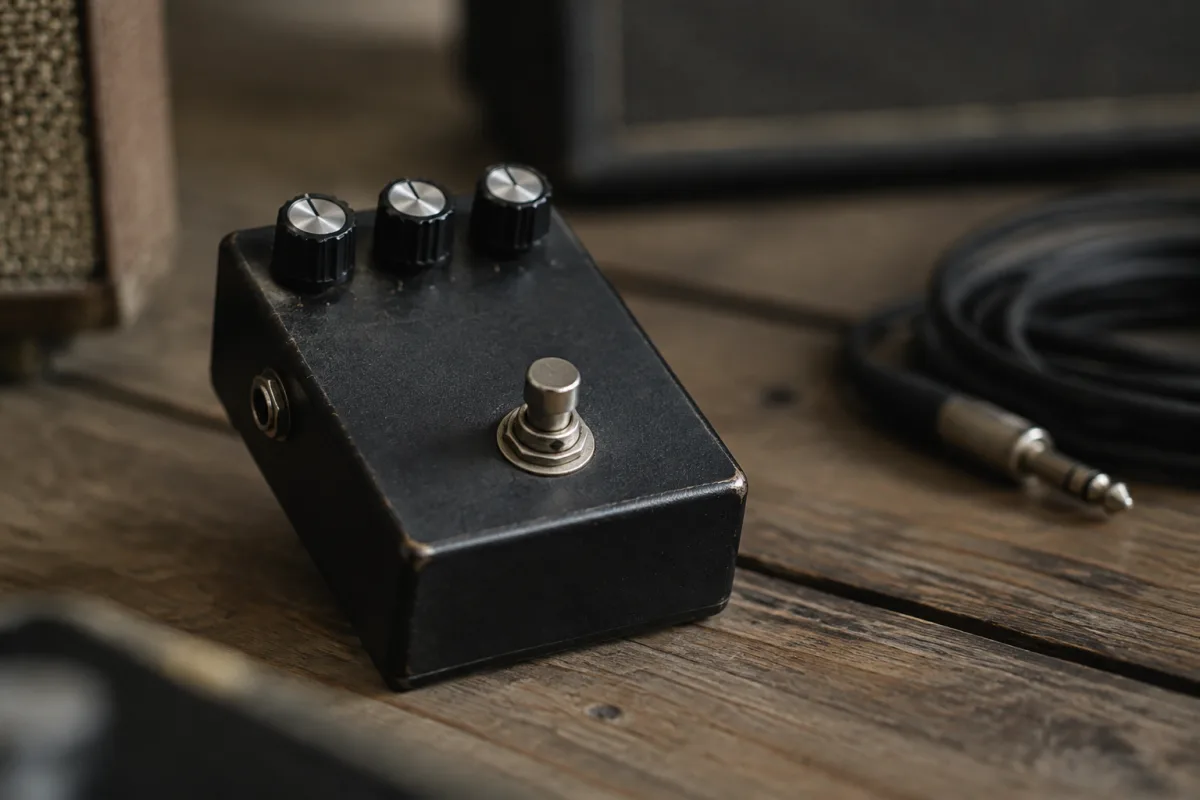
Buying a Marshall effects pedal is a worthwhile investment if you want to add the legendary Marshall tone to your signal chain—but the Marshall effects pedal range is surprisingly varied, and choosing well requires knowing what each pedal does, which sounds justify the price and which pedals suit your genre and rig. Marshall is known for amplifiers, not effects, so many guitarists assume Marshall effects pedals are specialist items. In fact, Marshall makes excellent, affordable effects pedals suitable for rock, metal, alternative and experimental players. This guide walks you through the Marshall effects pedal range, key specs and buying pitfalls to avoid.
Understanding Marshall Effects Pedals: Product Categories
Marshall manufactures several categories of effects pedals, each with distinct purpose and market positioning. The MG series are budget multi-effects units and modelling solutions. The Shredmaster and other classic Marshall pedals are drive and distortion units inspired by Marshall's legendary amplifier voicings. The MojoMojo, Drivemaster and Governor pedals add character and tone shaping. Newer Marshall pedals like the Jackhammer cabinet simulator and the Marshall Covey compact effects processor represent Marshall's expansion into modern categories. Understanding which category you need is step one.
Most guitarists gravitating toward Marshall pedals are seeking that signature Marshall crunch and drive—the warm, punchy, slightly compressed tone that defined decades of rock music. If this is your goal, a dedicated drive or distortion pedal from Marshall (Shredmaster, Drivemaster, Jackhammer Distortion) delivers directly. If you want multi-effects or amp modelling, the MG series is more suitable. Be clear on your goal before shopping.
Key Specs to Evaluate
Pedal Type: Drive vs. Distortion vs. Multi-Effects
Marshall drive pedals (Shredmaster, Drivemaster) add controlled saturation and are ideal for rock and classic hard rock. Distortion pedals (Jackhammer Distortion, Guv'nor) provide aggressive, high-gain saturation suited to metal and extreme genres. Multi-effects units (MG series) offer preset patches, modelling and a wider range of effects in one device. Choose based on your playing style and whether you want a single, focused effect or a comprehensive toolkit.
Gain and Tone Controls
A good Marshall effects pedal provides independent gain and tone shaping controls. Gain adjusts how saturated the tone becomes; tone controls shape brightness and midrange character. Check that controls are intuitive and cover the range you need. Some Marshall pedals have additional controls (presence, level output) that give finer control over tone. More controls means more flexibility but also more learning curve.
Compatibility and Signal Path Integration
Ensure the Marshall effects pedal accepts standard instrument-level input (typically 1/4-inch jack) and outputs to your amplifier's input. Most Marshall pedals work directly into any guitar amp, but some multi-effects units have specific requirements (stereo inputs, dedicated output impedance). Check compatibility with your rig before buying.
Power Supply and Portability
Marshall effects pedals typically run on batteries, wall adapters or USB power. Battery-powered pedals are portable but require frequent replacement. USB or wall-powered pedals are more practical for home use. Check power consumption and runtime if battery operation is important. Some Marshall multi-effects units are large and sit better on a pedalboard than others.
Price Tiers and Models
Budget (£50–150)
Entry-level Marshall effects pedals (basic MG units, older Shredmaster models) are affordable and functional. Expect solid tone shaping and straightforward controls. These are good first effects pedals for beginners or players experimenting with Marshall tone. Resale value is modest.
Mid-Range (£150–350)
Mid-range Marshall effects pedals (current Drivemaster, newer MojoMojo, Jackhammer units) deliver superior tone, more precise control and better build quality. These are suitable for gigging musicians and serious home players. They hold their value reasonably well and are often available used at excellent prices.
Professional (£350+)
Premium Marshall multi-effects units (high-end MG series, professional cabinet simulators) offer comprehensive feature sets, excellent tone and professional build. These are designed for touring musicians and studio use. They are expensive but capable of handling complex pedalboards and live rigs.
Common Buying Pitfalls
Mistake One: Assuming All Marshall Pedals Sound Identical
Marshall offers drive, distortion, modelling and multi-effects pedals with different tonal characters. A Shredmaster is not interchangeable with a Jackhammer Distortion, and neither is identical to the MG drive models. Listen to demos of specific pedals rather than assuming Marshall house sound. Each pedal has its own character.
Mistake Two: Buying Without Testing Tone
Marshall effects pedals vary considerably in gain structure and tone shaping. Some are bright and aggressive; others are warm and compressed. Try before you buy, or at minimum listen to detailed YouTube demos showing the pedal's full tonal range. A pedal that sounds incredible in a demo might not suit your ears or rig.
Mistake Three: Ignoring Pedal Size and Pedalboard Compatibility
Some Marshall effects pedals are large and occupy significant pedalboard real estate. If you are building a complex pedalboard, a large pedal might not fit. Verify dimensions and layout before buying, especially if you already have other pedals committed to your board.
Mistake Four: Overlooking Vintage vs. Current Models
Older Marshall effects pedals (1990s and early 2000s Shredmasters, Governors) are sometimes preferable to newer models and often cheaper on the used market. Conversely, some vintage Marshall pedals are sought-after collector's items at inflated prices. Research the specific model year and circuitry before buying used; significant revisions have occurred.
Mistake Five: Underestimating Power Supply Complications
Some Marshall multi-effects units have unusual power requirements or compatibility issues with standard power supplies. Verify that the pedal works with your planned power solution (battery, USB, wall adapter, pedalboard PSU) before checkout. An incompatible power supply adds cost and frustration.
Where to Buy
Authorised Marshall dealers, specialist guitar shops, and major online retailers all stock Marshall effects pedals. For new models, authorised dealers offer warranty and support. For used pedals, Reverb and eBay offer extensive options, but verify seller reputation and check detailed photos for condition. YouTube demos are invaluable—seek out thorough reviews showing the pedal's full tonal range alongside other effects in real rigs.
Cross-Link
For a comprehensive overview of Marshall effects pedals, their history and full product range, see the complete guide to Marshall effects pedals.
The Bottom Line
A Marshall effects pedal can inject legendary Marshall tone and character into your signal chain at reasonable cost. Choose based on your playing style: drive pedals for rock, distortion for metal, multi-effects for comprehensive tone shaping. Evaluate controls, compatibility and power supply requirements carefully. Test tone through demos before committing. A well-chosen Marshall effects pedal will become a permanent part of your rig and reward you with years of inspiring tone.


Comments