
Marshall Amp Heads article
The Complete Guide to Marshall Amp Heads
Marshall amplifier heads define the sound of rock and metal worldwide. Discover how to choose between valve and transistor models, understand wattage options and find the perfect Marshall amp head for your playing style.
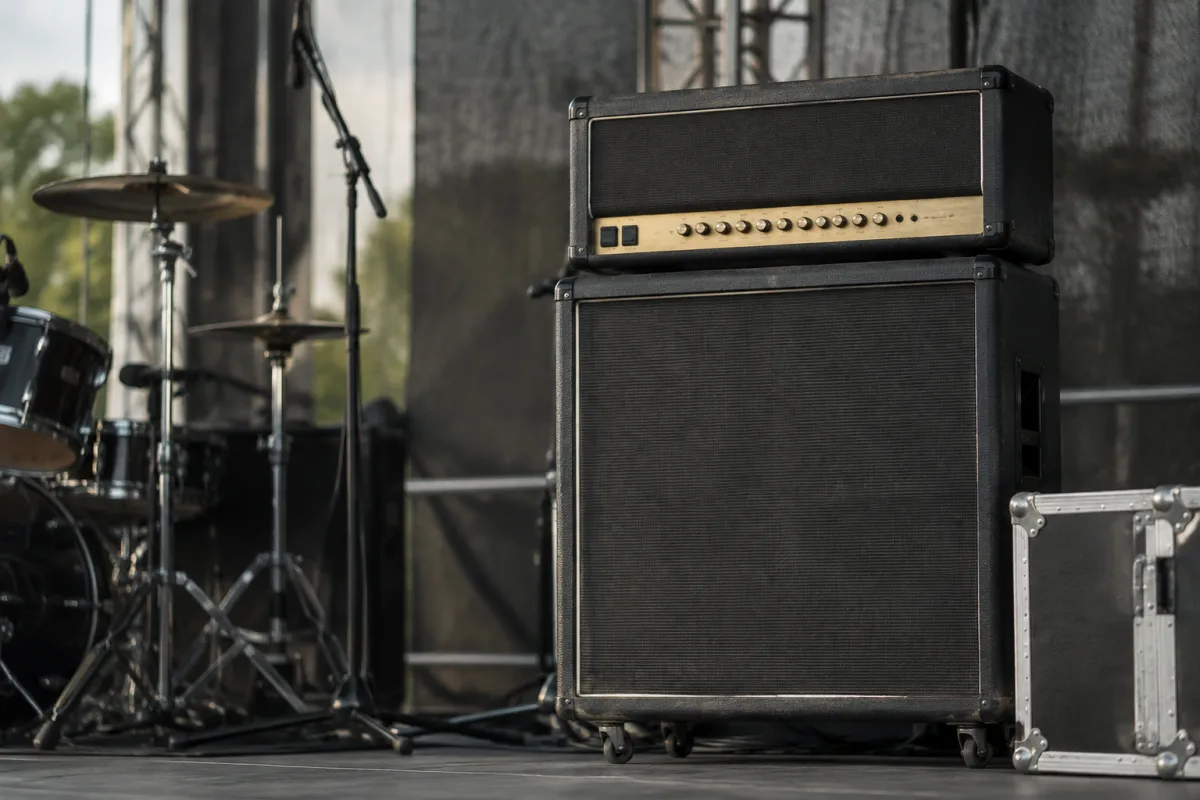
Marshall amplifier heads are the backbone of rock, metal and electric blues guitar sounds worldwide. Whether you're playing small clubs or large festivals, a Marshall amp head provides the powerful, aggressive tone that has defined electric guitar culture for over seventy years. This guide explores everything you need to know about Marshall amp heads, their characteristics, popular models and how to choose the right one for your playing style.
What Makes Marshall Amp Heads Special
A Marshall amp head is the amplification unit that drives your guitar signal through powerful tube or transistor circuitry. Unlike combo amps that include built-in speakers, Marshall amp heads require a separate speaker cabinet, giving you flexibility to mix and match components and customise your tone. Marshall amp heads are renowned for their thick, overdriven character that responds beautifully to pedals and natural breakup at moderate volumes.
The brand became legendary through its use by Jimi Hendrix, who played through a Marshall Stack in the late 1960s. This association with iconic players cemented Marshall's reputation as the amplifier of choice for serious musicians seeking powerful, expressive tones.
Types of Marshall Amp Heads: Valve and Transistor
Marshall amp heads come in two main technologies, each with distinct sonic characteristics:
- Valve (tube) amps — Traditional Marshall amp heads using vacuum tubes for a warm, natural compression and smooth gain structure. They're typically louder, more responsive to touch dynamics and produce the authentic Marshall tone most players associate with the brand.
- Transistor (solid-state) amps — Modern alternatives offering reliability, lower cost and consistent performance without the maintenance requirements of valves. They're ideal for touring and studio work where consistency is paramount.
Key Marshall Amp Head Models
Several classic Marshall models have defined electric guitar for decades. The JCM 800 remains a standard for rock and metal, renowned for its natural breakup and clarity even when cranked. The JCM 900 introduced digital reverb and greater voicing options, whilst the JCM 2000 brought versatility with programmable settings for touring musicians.
For modern players, the DSL100H combines classic Marshall crunch with digital flexibility, offering both valve and digital options in a single head. The Origin 20H and Origin 50H provide scaled-down wattages perfect for smaller venues and recording studios, whilst maintaining the Marshall character. The Plexi series recreates the hand-wired vintage units from the 1960s that shaped rock music itself.
Wattage: Understanding Power Output
Marshall amp heads come in various wattage options, from compact 20-watt models to full-size 100-watt heads. Your choice depends on where you play and how loud you need to be. A 20-watt Marshall amp head delivers satisfying natural valve breakup at reasonable bedroom volumes. Fifty-watt heads suit rehearsal studios and mid-sized venues. One hundred-watt Marshall amp heads are essential for large venues and outdoor festivals, though they're equally useful in studios where you can record them at lower volumes through microphones.
Wattage doesn't determine tone quality — it determines volume capability and how quickly the tubes compress. A 20-watt Marshall amp head can sound enormous through a quality speaker cabinet, whilst a 100-watt head can be dialled in for gentle expression at whisper volumes.
Specifications That Matter
When evaluating a Marshall amp head, consider these specifications:
- Power tubes — EL84 tubes deliver smooth, early breakup, whilst EL34 tubes offer tighter response and louder output. Both appear across Marshall's range.
- Preamp tubes — Usually ECC83 (12AX7), affecting gain character and sustain.
- Impedance matching — Ensure your speaker cabinet matches your amp head's output impedance, typically 8 or 16 ohms.
- Tone controls — Basic three-knob EQ (bass, middle, treble) or advanced parametric controls for precise shaping.
- Reverb and delay — Some Marshall amp heads include these effects; others require external pedals.
Speaker Cabinets: The Missing Piece
A Marshall amp head requires a speaker cabinet to produce sound. A 1×12 cabinet suits bedroom and studio practice. A 2×12 cabinet provides fuller tone and sufficient volume for rehearsals and smaller gigs. The classic Marshall Stack — a 100-watt head atop two 4×12 cabinets — delivers the legendary tone heard on countless albums, though it demands serious stage space and transport logistics.
Marshall speakers are specifically designed to complement the amplifiers' tone, so pairing them together creates the most authentic Marshall character, though third-party cabinets work perfectly well if you prefer different sonic textures.
Cost Considerations
Marshall amp heads range from entry-level transistor models around £400–600 to premium hand-wired vintage reissues exceeding £3,000. A solid used Marshall amp head from the 1980s or 1990s often provides exceptional value, offering genuine tube tone at half the price of newer models. Budget-conscious players should consider Origin or DSL series models, which offer excellent value and modern features alongside classic Marshall tone.
Maintenance and Care
Valve-based Marshall amp heads require occasional tube replacement as valves gradually wear out over years of use. Have your amps serviced every few years by a qualified technician, especially if touring. Keep your Marshall amp head on a sturdy amp stand, protect it from dust and moisture, and always match it to appropriate speaker impedance to avoid damage.
Conclusion
A Marshall amp head is an investment in tone, reliability and musical expression that can last decades with proper care. Whether you choose a vintage tube head for authentic character or a modern DSL for versatility and reliability, a Marshall amp head remains the gold standard for guitarists seeking powerful, expressive amplification. The combination of natural valve compression, responsive tone controls and legendary status makes Marshall amp heads the perfect foundation for any serious guitar rig.



Comments