
Guitar Effects Looper Pedal article
The Complete Guide to Guitar Effects Looper Pedal
A guitar effects looper pedal records your playing and replays it instantly, letting you layer multiple guitar parts into complete arrangements. Discover how loopers transform solo performances and what to look for when buying.
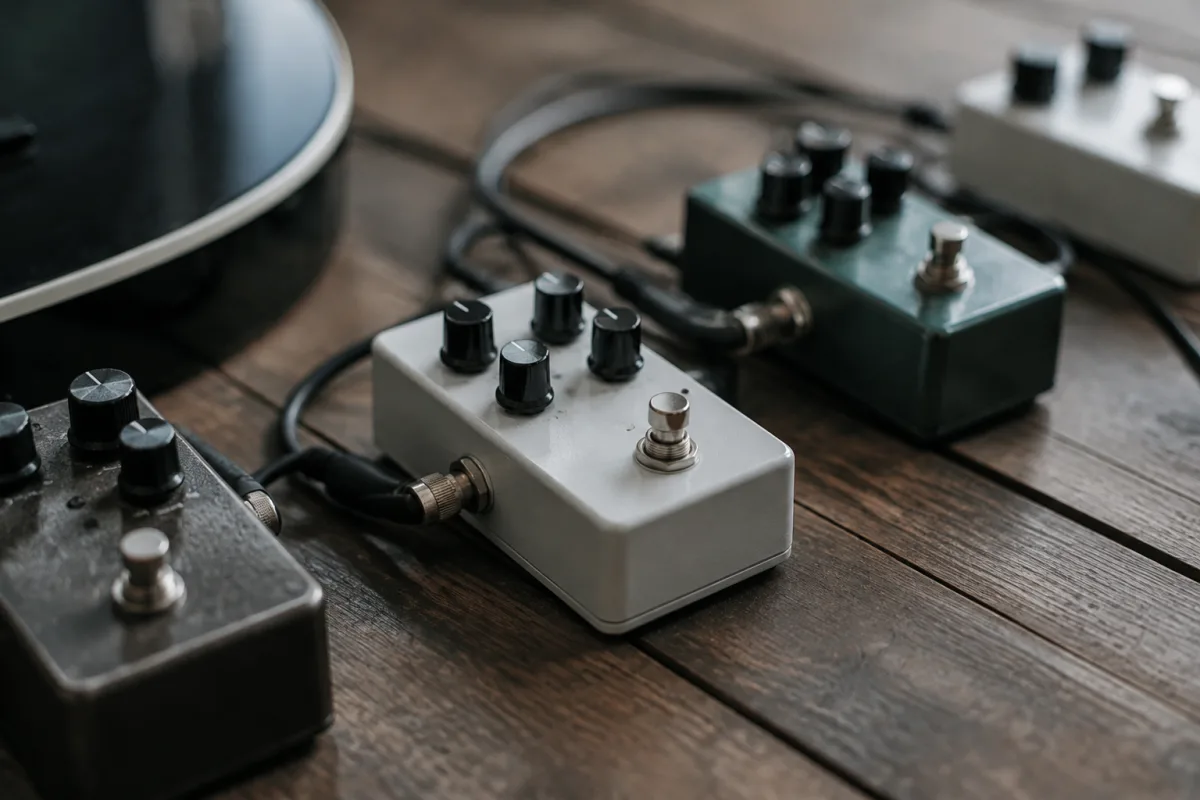
A guitar effects looper pedal transforms how musicians practise, compose and perform. By recording and replaying musical phrases in real time, looper pedals enable solo artists to build rich, layered arrangements without additional musicians or backing tracks. Whether you're a bedroom guitarist, a busker on the high street or a touring performer, understanding looper pedals will unlock creative possibilities you may not have considered.
What Is a Guitar Effects Looper Pedal?
A guitar effects looper pedal is a compact device that records your playing, then replays it continuously whilst you play over the top. The core function is simple but powerful: press to record, press to stop, and the pedal loops your recorded phrase indefinitely. This allows you to layer multiple guitar parts, create rhythm foundations, and build complete arrangements from a single instrument.
Looper pedals typically connect between your guitar and amplifier in your signal chain. Audio enters the pedal, gets recorded to digital memory, and plays back through your amp at the same volume and tone you recorded. Modern loopers include features like volume control, overdub capability, and synchronisation with backing tracks.
Core Features Explained
Understanding key features helps you select the right looper for your needs:
- Loop Length — measured in minutes or hours of total recording time. A 60-second capacity suits practice and simple songs; touring performers often prefer 8+ minutes to accommodate complex arrangements.
- Overdub Function — allows you to record additional layers over your original loop without erasing it. Essential for building layered textures.
- Undo/Redo — lets you remove or restore the last overdub layer, useful when experimenting during performance.
- Footswitch Control — dedicated switches for record, stop, overdub and other functions, allowing hands-free operation so your hands stay on the guitar.
- Volume Control — adjusts loop playback volume independently of your live input, preventing feedback or balance issues.
- Tempo Synchronisation — matches loop timing to an internal metronome or external MIDI clock, keeping complex arrangements locked together.
- Reverse and Half-Speed Functions — creative effects that flip or slow down your recorded loops for experimental textures.
How Musicians Use Looper Pedals
Looper pedals serve multiple purposes across different playing contexts. Singer-songwriters use them to create acoustic backing arrangements, layering fingerpicking patterns, rhythm strums, and percussion effects into complete songs. Buskers employ looper pedals to simulate a full band, recording bass lines, rhythm chords and drum patterns to accompany live vocals and lead guitar. Experimental musicians use loopers to craft evolving soundscapes, layering textures and responding creatively to the rhythms they build.
In studio settings, looper pedals accelerate composition and arrangement development. Musicians sketch ideas quickly, testing vocal melodies over recorded guitar parts or working out horn arrangements without requiring an ensemble. Live performers use loopers to add complexity and dynamics to otherwise solo sets, creating climactic moments and full-band textures from one player.
Choosing the Right Looper Pedal
Several factors guide your choice. First, consider your primary use case: bedroom practice needs differ from busking or touring. A basic 60-second looper suffices for simple practice, whilst street performers and touring musicians benefit from 8+ minutes and multiple layers. Second, evaluate the footswitch layout — can you comfortably control record, overdub and playback with your feet whilst playing? Third, assess whether you need synchronisation features; bands that use backing tracks or electronic drums benefit greatly from MIDI sync.
Budget is naturally important. Entry-level loopers cost £40–£100 and handle fundamental recording and playback. Mid-range pedals (£150–£300) add overdub functions, better interfaces and extended loop times. Premium loopers (£300+) offer sophisticated features, superior audio quality, and robust construction for tour life.
Looper Pedals in Performance
The performance technique matters as much as the pedal itself. The most engaging looper-based performances involve clear communication with the audience about what's happening: introducing the loop you're about to record, showing the building process as you add layers, and creating moments where the loop becomes your "band mate" rather than background accompaniment. Successful performers time their overdubs carefully, building tension and release rather than dumping layers hastily.
Live looping requires practice and confidence. You'll want to rehearse your arrangements thoroughly so you can execute complex multi-layer loops reliably. Many performers use metronomes during practise to internalise the timing, then perform without one on stage, letting their feel guide the rhythm.
Integration Into Your Setup
Integrating a looper pedal into your rig depends on your signal chain and amplification. Most loopers sit between your guitar and other effects, or at the end of your effects chain before the amplifier. If you use multiple effects, experiment with placement: some guitarists prefer the looper last (capturing everything before the amp), whilst others place it earlier to record clean guitar tones then add effects on top.
Power supply matters for gigging musicians. Battery-powered loopers offer portability for street performance, whilst USB-charged or wall-powered models suit home and studio use. Always check whether your pedal's internal storage persists when powered down — some basic loopers lose recordings when switched off.
Conclusion
A guitar effects looper pedal is a versatile tool that opens creative avenues for solo players, buskers, and experimental musicians alike. Whether you want to layer rich arrangements, practise complex rhythms or add depth to live performances, a quality looper pedal delivers immediate musical rewards. With clear understanding of core features and your own musical needs, you'll find a looper that transforms how you play, practise and compose.


Comments