


Laney article
Laney for Beginners: A Complete Guide
Starting with a Laney amplifier sets you up for genuine musical development. This guide covers setup, tone exploration, and how to build real amplifier skills as a beginner.
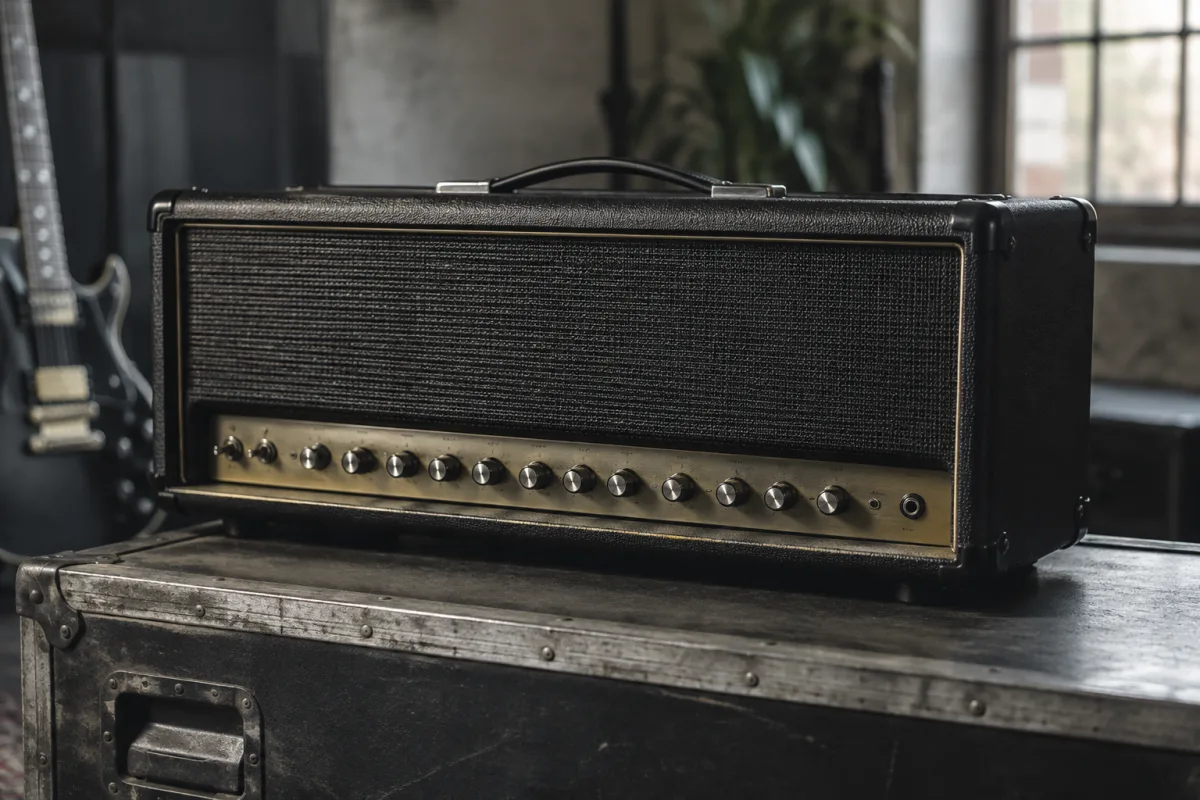
Choosing Laney amplifiers as your first serious amplified setup sets you on a genuine path to musical development. Laney has manufactured amplifiers for decades with a reputation for quality construction, reliable performance, and versatile tone-shaping capabilities. Starting with a Laney amplifier means investing in an instrument built to grow with your skills rather than holding you back.
Understanding Laney's Approach to Amplifier Design
Laney amplifiers prioritise practical functionality and honest tone. Rather than chasing exotic marketing claims, Laney builds straightforward, reliable amplifiers that sound genuinely musical across various styles. This no-nonsense approach suits beginners perfectly because you're not overwhelmed by unnecessary complexity or confusing control layouts.
The company manufactures amplifiers across wattage ranges — from practice-friendly 15-watt heads to serious 100-watt stage amplifiers. For beginners, the smaller wattage options provide adequate volume for bedroom and small venue playing without excessive power consumption or noise complaints. A 15 or 30-watt Laney delivers enough headroom to explore your tone without shaking your neighbours' walls.
Getting Started with Your Laney Amplifier
When you first switch on your Laney amplifier, let the tubes warm up for a minute before playing loudly. Tube amplifiers require this brief warm-up period; pushing high volumes immediately stresses the tubes unnecessarily. This small habit extends your amplifier's lifespan considerably.
Start with the Master Volume set quite low. Laney amplifiers are deceptively loud even at moderate settings. Learning at lower volumes protects your hearing and allows your ear to develop accurate tone perception without distortion-induced hearing damage. You can always turn up as you become more confident.
Exploring Your Laney's Channel Capabilities
Most Laney beginner-friendly models feature a Clean channel and an Overdrive or Crunch channel. The Clean channel provides crystal-clear tone that reveals every nuance of your playing — your picking technique, finger noise, muting approach. This transparency teaches proper technique immediately because careless playing sounds obviously sloppy.
Spend weeks exploring the Clean channel before heavily using the Overdrive channel. Understanding your amplifier's clean voice establishes a foundation that makes driven tones far more musical. You're learning how this specific amplifier fundamentally sounds, not just searching for heavy distortion.
The Overdrive channel typically offers moderate breakup that responds to your pick dynamics. Soft playing produces light crunch; aggressive playing generates more drive. This responsiveness means your playing technique directly shapes your tone, creating an intuitive connection between your hands and your amplifier's character.
Common Beginner Mistakes with Laney Amps
The most frequent error is using excessive Gain on the Overdrive channel. New players often assume more Gain means better tone, but excessive distortion muddies detail and makes your playing less distinct. Start with moderate Gain settings and increase gradually as you understand how this specific amplifier breaks up.
Another pitfall is ignoring the EQ controls. The Bass, Mids, and Treble controls are genuinely useful tone-shaping tools, but many beginners ignore them or set them to maximum. Start with balanced settings — around 5 on each control — then adjust methodically based on what you hear. This patient approach teaches you how Laney's EQ section actually works.
Some beginners also neglect tube maintenance. Your Laney's tubes don't last forever — typically 2,000 to 10,000 hours depending on usage intensity. As tubes age, your amplifier's tone degrades subtly. When your Laney starts sounding duller than when new, tubes likely need replacement. A Laney service centre can test and replace them affordably.
Building Your Tone Knowledge
Establish baseline settings for different musical styles. A mild Clean tone with minimal EQ adjustment for jazz or acoustic work, moderate Crunch for rhythm rock, more aggressive Overdrive for lead playing. Write these down — they're your reference points for exploring variations. This systematic approach prevents endless random knob-twisting.
Play backing tracks through your Laney at various volumes. This reveals how your tone sits in an actual musical context rather than evaluating it in isolation. A tone that sounds perfect solo might disappear in a full arrangement; backing tracks teach practical tonal awareness.
Connect with other Laney players online. These communities offer genuine advice about getting the best from your specific model, common issues, and tonal techniques. Learning from experienced Laney users accelerates your progress.
Your Laney Amplifier's Longevity
Laney amplifiers are built for reliability. Proper care — letting tubes warm up, reasonable volume levels, occasional professional maintenance — ensures decades of faithful service. Many professional musicians rely on Laney amplifiers decades after purchase, testament to their genuine quality.
Within the first month of consistent practice with your Laney, you'll notice obvious improvements in your tone control. You'll understand which controls serve which purposes. By a few months, you're not fighting your amplifier; you're genuinely working with it as a musical partner, using it to express your musical ideas effectively.
Starting your amplified journey with a Laney amplifier sets you up for genuine musical development. This is an instrument built to support your learning and grow with your skills rather than limiting your potential.


Comments