


Laney Amplifiers article
Laney Amplifiers for Beginners: A Complete Guide
Laney amplifiers are excellent for nervous first-time buyers. Discover the right amp size for your needs, understand key controls, and avoid beginner mistakes.
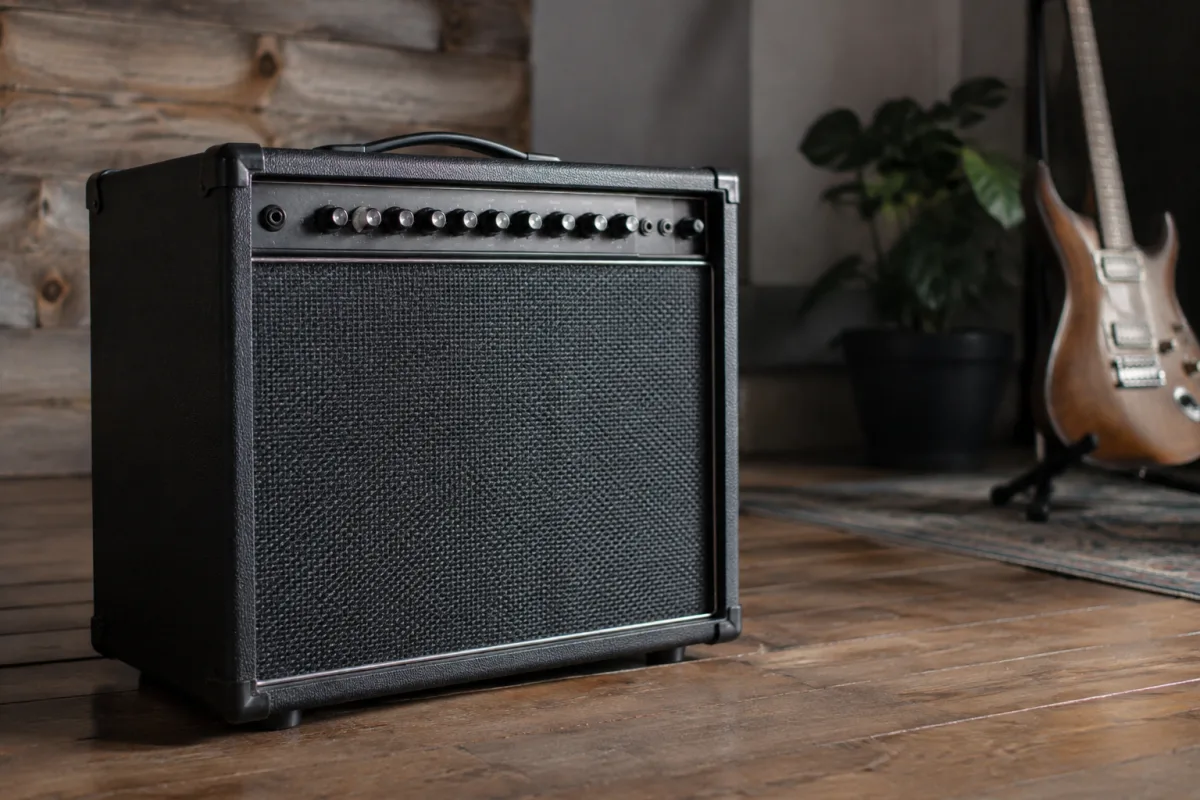
If you're a guitarist just starting to explore amplifiers, Laney amplifiers might seem like an intimidating choice. You've heard the name but aren't sure whether these British-made amps are right for you, or whether they're even beginner-friendly. The good news: Laney amplifiers are excellent for nervous first-time amp buyers, offering quality tone and reliable features without forcing you to learn a PhD's worth of technical jargon. This guide demystifies Laney amplifiers and shows you exactly where to start.
Why Laney Is Beginner-Friendly
Laney amplifiers have a reputation for solid construction and dependable performance, which matters hugely when you're new to amplifiers. Unlike some premium brands that assume you already understand impedance, gain staging, and effects loops, Laney amplifiers are designed to sound great even if you just plug in your guitar and play. The controls are straightforward, the tone is forgiving, and the build quality means you won't worry about your amp dying mid-gig.
Laney specialises in affordable, practical amplifiers for working musicians and serious hobbyists. As a beginner, you benefit from this philosophy. You get genuine tone and durability without paying for marketing or unnecessary complexity. Many nervous buyers worry that budget-friendly means low quality; Laney proves this wrong. These amplifiers represent honest value.
Understanding Laney Amp Sizes and Wattages
Laney amplifiers range from small practice amps (15–20 watts) to powerful stage rigs (50+ watts). For a beginner, this choice matters because the right size makes practice enjoyable, while the wrong size creates frustration or safety concerns.
A 15-watt Laney amp is perfect for bedroom practice or small venues. It runs quietly, doesn't need as much electricity as larger models, and gives you headroom for tone exploration without overpowering your space. Many experienced musicians choose 15-watt amps specifically because they can push the amp to full volume without disturbing neighbours, which actually yields better tone than backing off a 100-watt amp.
A 20–30-watt Laney amp suits small clubs, practice studios, and rehearsal rooms. This size handles louder practice sessions, works well with a drummer, and stays portable. Most working local bands start with this wattage class.
Don't assume bigger is better. A nervous beginner often overestimates how much power they need. A 15-watt Laney can fill a small venue. Most rehearsals and many gigs use less power than you'd think. Start with 15 watts and upgrade only after you've genuinely outgrown it.
Laney Amplifier Types: Finding Your Sound
Laney offers several amplifier types, each suited to different musical styles and playing situations. Understanding the differences helps you find your match:
- Combo amplifiers: Built-in speaker, portable, perfect for beginners. You plug in and play. No external speaker to worry about. Ideal for bedroom practice, small rehearsals, and intimate gigs.
- Head amplifiers: The amp alone, without a speaker. You pair it with a separate speaker cabinet. This gives flexibility if you want to upgrade speakers later, but adds complexity and cost. Not recommended for nervous beginners.
- Hybrid amplifiers: Combine valve preamps with solid-state power amps. They offer valve warmth with solid-state reliability. Good middle-ground if you want authentic tone without constant valve maintenance.
- Solid-state amplifiers: All transistors, very reliable, consistent tone. No valves mean lower maintenance, no warm-up time, and predictable performance. Perfect for beginners focused on reliability.
For your first Laney amplifier, choose a combo in the wattage that matches your rehearsal space and gig size. This keeps setup simple and lets you focus on playing rather than troubleshooting equipment.
Key Features to Understand
Laney amplifiers include practical features that make sense for beginners. You don't need to understand every knob, but these matter:
- Gain and Volume: Gain controls how much the input signal is boosted; Volume sets the overall loudness. Start with low Gain and increase it slowly. Many nervous beginners crank both, which causes distortion or feedback. Leave Volume between 3 and 5 for practice.
- EQ controls (Bass, Mid, Treble): These shape your tone. Start with all three at noon (middle position) and adjust from there. Small changes make big differences. Listen carefully before making another adjustment.
- Reverb: Adds spaciousness to your tone. Laney amps include reverb on many models. Leave it subtle at first; too much reverb sounds washed out and confuses the ear.
- Effects loop: Lets you plug effects pedals in a dedicated circuit. As a beginner, ignore this for now. It's advanced and you don't need it yet.
- Line out: Lets you record directly from the amp or run it through an audio interface. Very useful for bedroom recording, but not essential initially.
Avoiding Common Beginner Mistakes
Watch out for these pitfalls when you're starting with Laney amplifiers:
- Cranking the gain and volume. More is never better for tone. Leave Gain below 5 and Volume between 3 and 5. Your amp will sound cleaner, clearer, and more musical.
- Assuming you need a large amp. Most beginners overestimate their power needs. A 15-watt Laney amp is genuinely loud enough for most practice and many gigs.
- Plugging every setting to maximum. This generates noise and hum, not great tone. Laney amps sound best at moderate settings with careful EQ adjustments.
- Ignoring the speaker break-in period. New speakers need a few hours of use to sound their best. Your Laney amp will sound better after the first week than right out of the box.
- Neglecting basic maintenance. Wipe dust off the amp regularly, keep the vents clear, and avoid liquids nearby. A little care extends the life of your amplifier significantly.
Your First Week with a Laney Amplifier
When you first get your Laney amp, resist the urge to crank every control. Instead, follow this simple process:
Day one: Set all controls to midpoint (around 5 o'clock). Play a song you know well. Listen to how it sounds. Don't adjust yet.
Day two: Pick one control—maybe Bass or Treble—and slowly increase it. Hear how it changes the tone. Then decrease it. Return to the middle position. This teaches you how controls affect your sound.
Day three onwards: Spend five minutes on one control per practice session. By the end of the week, you'll understand your Laney amp's tone-shaping and can create sounds you actually like.
When Laney Fits Your Needs
Laney amplifiers suit you if you want reliable, practical amps that sound genuinely good without overwhelming complexity. They work for bedroom practice, small venues, and serious bedroom musicians. They're less suitable if you need extreme high-gain distortion or cutting-edge digital effects built into the amp itself, though most Laney models handle gain well enough for rock and metal.
To explore how Laney fits into the wider amplifier landscape, our complete guide to Laney amplifiers covers specifications and advanced features in depth. For now, focus on choosing the right wattage and combo format, and enjoy discovering the tone your Laney amplifier can produce. With careful control adjustments and patient practice, you'll sound better than you expect.



Comments