


Ibanez Tube article
Ibanez Tube for Beginners: A Complete Guide
An Ibanez tube amplifier produces warm, responsive tone that rewards good technique. This guide covers setup, safety, maintenance, and beginner benefits.
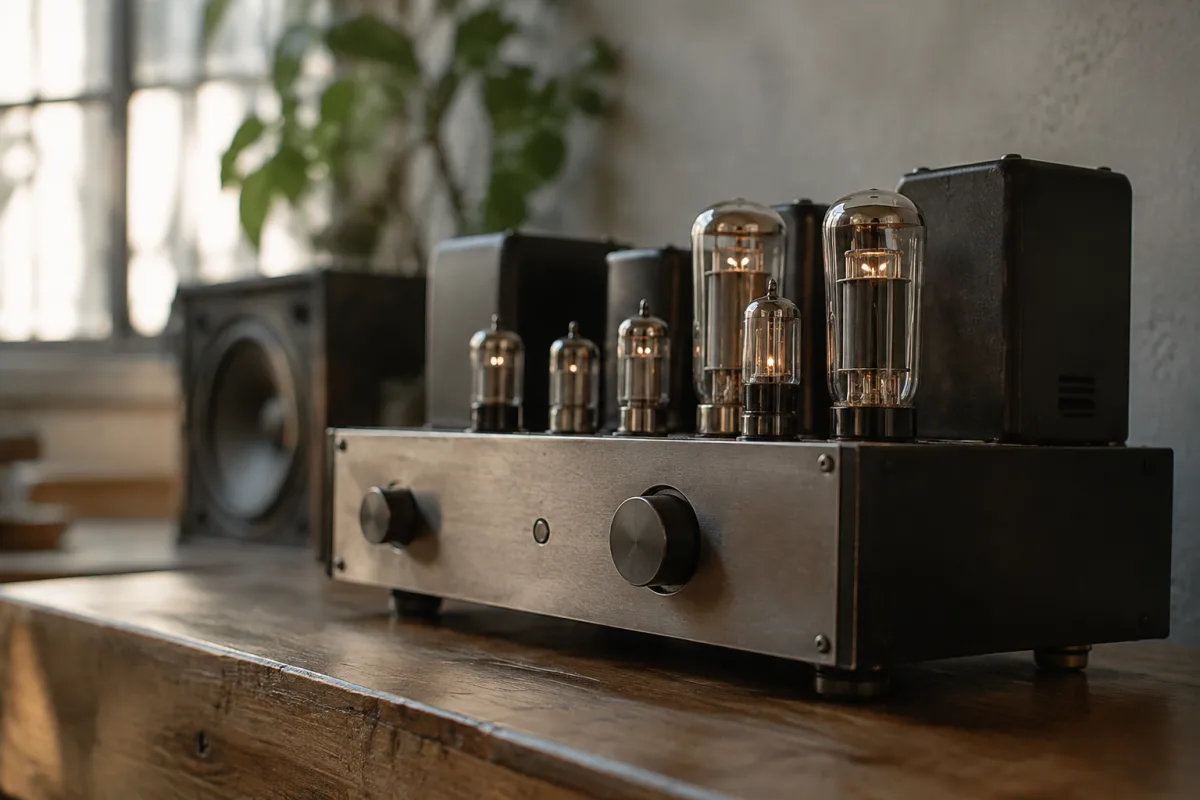
Your First Ibanez Tube Amplifier
If you're a beginner considering an Ibanez tube amplifier and you want to know whether it's right for you, what to expect, and how to avoid frustration, this guide is for you. An Ibanez tube amplifier is a solid choice for learning, and tube amplification produces a genuine warmth and responsiveness that solid-state alternatives don't match. I'll walk you through what you're getting, how to set it up safely, and how to develop good habits with this type of amplifier.
What an Ibanez Tube Amplifier Actually Is
An Ibanez tube amplifier uses vacuum tubes (valves) to amplify your guitar signal. These tubes produce a warm, responsive tone that reacts to your playing dynamics. When you play harder, the tone gets slightly gritty; when you play softly, it stays clean. This responsiveness is the tube amplifier's main advantage.
Tube amplifiers generate heat. An Ibanez tube amplifier needs proper ventilation and shouldn't be covered while running. They're heavier than solid-state alternatives because transformers and tubes add significant weight. They also require more maintenance than modern solid-state amplifiers—tubes eventually wear out and need replacing.
Tube Amplifier Basics for Beginners
A tube amplifier has two main stages. The preamp tubes shape your tone. The power amp tubes do the actual loud amplification. An Ibanez tube amplifier uses specific tube types (usually 12AX7 or EL84 tubes) that give it characteristic sound.
Preamp tubes last 5000-10000 hours of play. Power amp tubes last 3000-5000 hours. For a beginner playing an hour daily, that's years before replacement becomes necessary. Don't worry about this—it's just something to understand about tube amplifiers.
Setup: Doing It Safely
Before you power on an Ibanez tube amplifier, make sure it's on a solid, well-ventilated surface. Never cover it while running. Never block the ventilation holes. Tube amplifiers need airflow to stay cool. Overheating shortens tube life and can damage the amplifier.
Always plug your guitar into the input before turning on an Ibanez tube amplifier. Always turn it on with the volume knob at zero. Turn it on, wait 30 seconds for tubes to warm up, then gradually increase the volume. This protects the tubes and amplifier.
At low to medium volume (bedroom practice level), an Ibanez tube amplifier sounds brilliant. The tubes break up slightly, adding natural warmth. The responsiveness rewards good technique immediately.
The Learning Advantage
An Ibanez tube amplifier teaches good playing technique because it responds immediately to what you do. Play sloppy, and it sounds sloppy. Play clean, and it rewards you with a beautiful tone. This immediate feedback is invaluable for beginners learning proper technique.
The natural breakup (overdrive) at reasonable volumes means you don't need lots of external effects or pedals to sound good. A tube amplifier handles distortion tastefully when pushed, making it versatile for different styles within its range.
Common Beginner Concerns
An Ibanez tube amplifier produces some hum—a low 50Hz buzz in the background. This is normal and not a sign something is wrong. Good shielding and proper grounding minimize it, but it's inherent to tube amplifiers. Most players accept it as the price of tube warmth.
Tube amplifiers are louder than solid-state alternatives at the same wattage rating. A 15-watt Ibanez tube amplifier plays significantly louder than a 15-watt solid-state amp. This is partly because tube amplifiers measure power differently, partly because tubes compress slightly at volume.
If neighbors are a concern, consider a very low-wattage Ibanez tube amplifier (5-15 watts) or use headphones. Tube amplifiers shine at low volumes, so even a small one sounds wonderful at bedroom levels.
Tube Replacement and Maintenance
When tubes start wearing out, your Ibanez tube amplifier's tone changes—it gets quieter, less responsive. Replacement tubes are inexpensive (£5-£20 per tube) and changing them is straightforward if you're not scared of opening the amplifier. Many repair people can swap tubes for £20-£50 labour.
Don't panic if the amplifier gets warm. Tubes generate heat—that's normal. If it gets so hot you can't touch it, that's a problem. Normal warmth is fine.
Clean the dust filter occasionally. Dust buildup blocks airflow and causes overheating. A quick vacuum every few months keeps your Ibanez tube amplifier running properly.
Growing With the Amplifier
An Ibanez tube amplifier won't become obsolete as you improve. These amplifiers are genuinely professional-quality instruments. Many working musicians use them. The responsive tone and natural dynamics make them suitable for everything from bedroom practice to small gigs.
As you improve, you'll discover how much tonal control you can get from an Ibanez tube amplifier just by changing your pick attack and finger pressure. The amplifier rewards technique development like few solid-state alternatives do.
Conclusion
Choosing an Ibanez tube amplifier as a beginner is a genuinely good decision. The responsive tone teaches proper technique, the natural warmth is addictive, and the amplifier won't be outgrown even as you become advanced. Accept that tube amplifiers need slightly more care than solid-state alternatives, learn to set up and maintain one properly, and you'll have a tool that improves every session. For complete technical details and model comparisons, see our complete Ibanez tube amplifier guide.



Comments