


Hughes and Kettner article
Hughes And Kettner for Beginners: A Complete Guide
Hughes and Kettner gear is beginner-friendly despite its premium reputation. This guide shows how to start, what to expect, and why quality pays off.
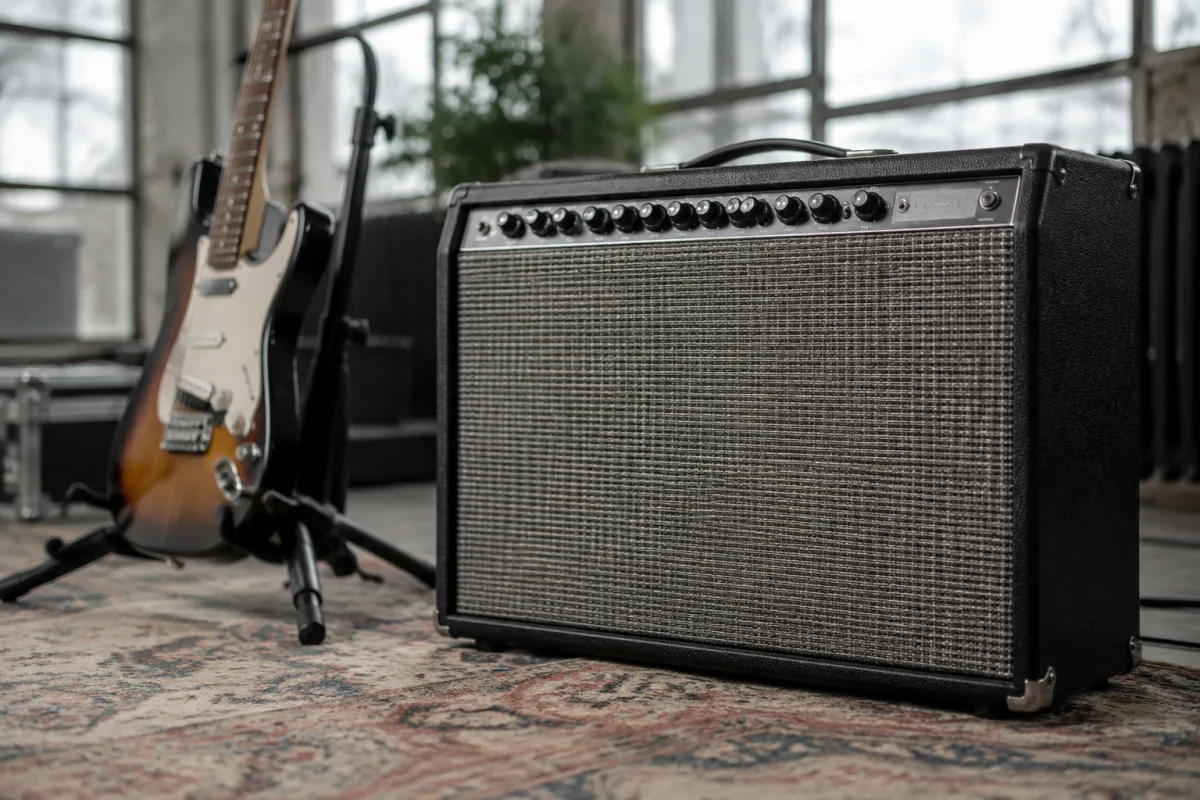
Stepping into Hughes and Kettner gear as a nervous beginner might feel intimidating—the brand carries a premium reputation and targets serious players. Yet Hughes and Kettner equipment is exceptionally beginner-friendly: build quality is uncompromising, interfaces are logical, and the tone rewards exploration immediately. This guide demystifies the brand for first-timers, showing you what to expect, how to start, and why an investment in Hughes and Kettner is sound even if you're just beginning.
Why Hughes and Kettler Suits Beginners
The first reassurance: Hughes and Kettner prioritises usability alongside professional capability. Unlike some premium brands that bury controls deep in menus, Hughes and Kettner amplifiers and effects keep essential controls front-and-centre. You plug in, adjust volume, and make music—immediately. This accessibility means beginners engage with the gear rather than fighting complexity.
Build quality is legendary. Hughes and Kettner manufactures in Germany with obsessive attention to detail. Every component is robust; every connection is solid. When learning guitar, worrying about gear reliability is counterproductive. Hughes and Kettner equipment works reliably, gig after gig, year after year. This durability is psychologically valuable for nervous beginners.
The tone is forgiving yet inspiring. Hughes and Kettner amplifiers sound beautiful even with beginner settings. Unlike budget amplifiers that require extensive EQ tweaking to sound acceptable, Hughes and Kettner gear sounds great at default settings. This immediate gratification keeps you practising longer and building skills faster.
Understanding Hughes and Kettner Product Categories
Hughes and Kettner produces several distinct categories: valve (tube) amplifiers, solid-state amplifiers, digital modelling amps, and multi-effects processors. For beginners, the digital modelling amps and multi-effects offer the best entry point—maximum versatility, comprehensive sound-shaping, and low maintenance compared to valve amps.
Valve amplifiers are gorgeous but require technical knowledge (biasing, maintenance, power tube replacement). Beginners thrive with solid-state or digital gear. Hughes and Kettner's solid-state and modelling products deliver professional tone without intimidating maintenance.
Your First Week with Hughes and Kettner Gear
Day one: unbox and inspect. Hughes and Kettner packaging is protective and professional. Enjoy the unboxing; it feels good. Read the quick-start guide (usually two or three pages)—not daunting, just highlights.
Day two: power on and plug in. Connect your guitar with a quality cable, connect the amplifier to speakers (or use headphones if it's a headphone-equipped model), turn on, and play. Explore the master volume control and input gain. Feel how the Hughes and Kettner amplifier responds. Does the tone feel natural? Most players immediately notice the quality compared to budget gear.
Days three through seven: stick with one preset or clean sound setting. Don't jump between 20 different sounds; choose one and live with it for a week. Learn how that tone responds to your playing. How does palm muting sound? How does light picking differ from aggressive strumming? This exploration builds intimacy with your Hughes and Kettner gear.
Common Beginner Mistakes with Hughes and Kettner Equipment
Assuming all the knobs and controls must be tweaked is a classic error. Many Hughes and Kettner amplifiers arrive with excellent default settings. Beginners often fiddle with everything, chasing some imaginary perfect tone, and end up with something worse than they started with. Resist the urge to tweak immediately. Play for a week first; then adjust.
Cranking the master volume to 100% is another trap. Hughes and Kettner amplifiers sound best at moderate volumes (50–75%) where the power amp and speakers work efficiently. Maxing out introduces unwanted distortion and wears components faster. Find the sweet spot volume and stay there unless you're gigging large venues.
Ignoring the manual leads to bewilderment. Hughes and Kettner writes clear, helpful manuals. Five minutes of reading prevents hours of confusion. Bookmark the manual online or print it; refer to it when uncertain.
Expecting to instantly understand every feature wastes energy. Hughes and Kettner gear offers deep sound-shaping capability. Most beginners use 20% of it. This is fine. As you play longer, curiosity naturally leads you to explore more. No pressure to master everything immediately.
Building Confidence: Month One Milestones
Week one: learn the basic controls (volume, input gain, tone knobs if present). Play daily using only these controls. No menu-diving, no preset-hopping.
Week two: explore two or three presets or effects if your Hughes and Kettner amp includes them. Play each for several days to understand how they colour your tone. Take notes about what you like and dislike.
Week three: if motivated, read the full manual. Look up features that interest you. Experiment gradually. Don't try everything at once.
Week four: make your first custom preset or sound (if applicable). Adjust the controls to your taste, save it, and name it. Celebrate this small act of ownership.
What Beginners Fear About Hughes and Kettner
You worry the premium price means complexity you can't handle. It doesn't. Hughes and Kettner designs for professionals, but professionals also demand usability. The gear is powerful but accessible.
You fear damaging expensive equipment accidentally. You won't. Adjusting knobs or pressing buttons won't break anything. Worst-case, you adjust something and dislike it; turn the knob back. Experimentation is the point.
You worry you're wasting money as a beginner. You're not. Hughes and Kettner gear holds value brilliantly. If you later decide guitar isn't your passion, reselling Hughes and Kettner equipment loses less money than budget alternatives. Additionally, the sound quality genuinely accelerates skill development—your investment pays dividends in faster improvement and sustained motivation.
Learning Resources and Community
Hughes and Kettner has an active global community. YouTube hosts countless tutorials; forums have friendly veterans answering questions. Don't hesitate to ask beginner questions—the community is welcoming and patient. Additionally, Hughes and Kettner's official website hosts video tutorials and documentation. Use these resources liberally.
Deeper Exploration of Hughes and Kettner
As your confidence grows and you want to explore the full Hughes and Kettner range—their history, comparing models, understanding tube versus solid-state dynamics—read our complete guide to Hughes and Kettner.
Final Thoughts: Welcome to the Hughes and Kettner Community
Choosing Hughes and Kettner as a beginner is the right call if budget allows. The brand's commitment to quality, usability, and inspiring tone means you're investing in gear that grows with you. From day one, the equipment sounds excellent and feels robust. After one month, you'll feel genuine pride owning professional-grade gear. After six months, you'll wonder how you ever played through budget amplifiers. Welcome to the community. Your Hughes and Kettner journey is just beginning, and the best is ahead.


Comments