


Hughes and Kettner Guitar Amp article
Hughes And Kettner Guitar Amp for Beginners: A Complete Guide
Hughes & Kettner makes precision German amplifiers at surprisingly accessible prices. This beginner's guide explains what makes H&K special, which models work best for learners, and why German engineering delivers genuine value for your investment.
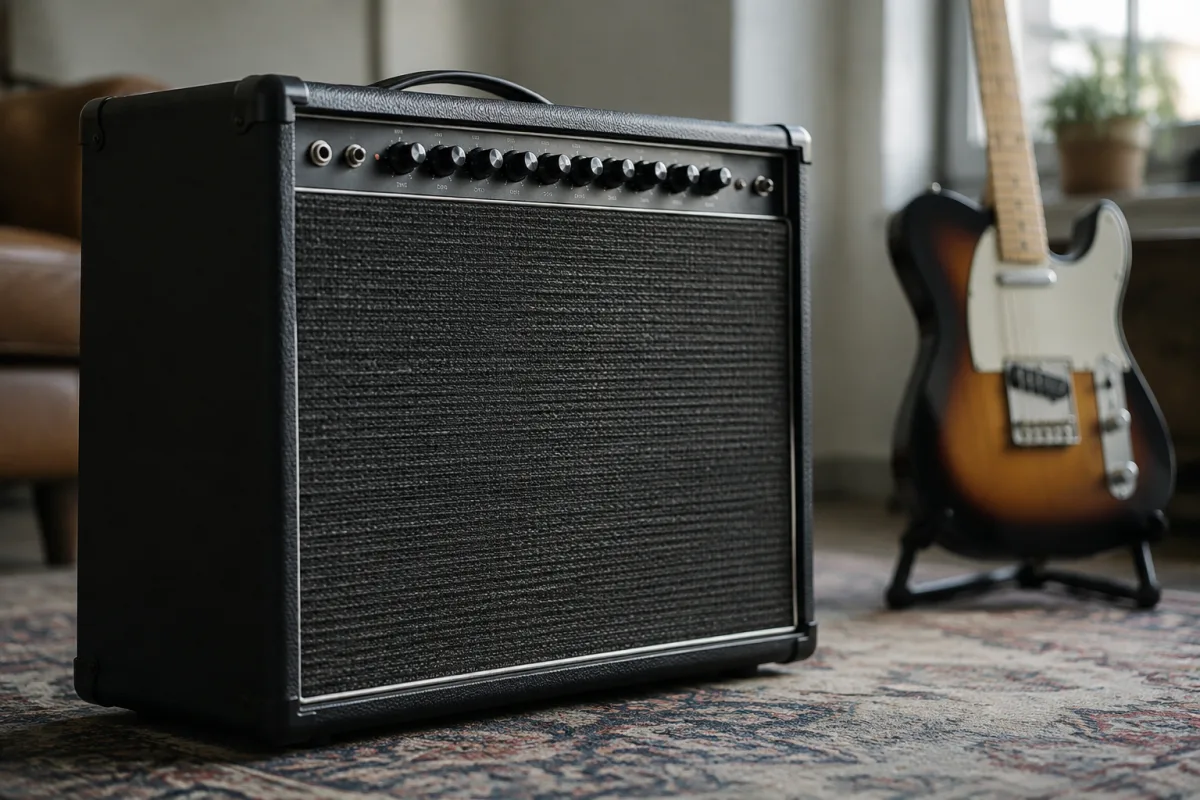
Hughes & Kettner is a German amplifier manufacturer with a reputation for innovative technology, responsive tube circuitry and surprisingly affordable pricing for the quality delivered. If you're exploring amp options and keep seeing Hughes & Kettner recommended, this guide walks you through why the brand deserves attention, which models suit beginners, and what you actually get when you invest in German engineering.
Hughes & Kettner: German Precision and Innovation
Hughes & Kettner (H&K) was founded in 1985 by Dieter Rittmann and Matthias Ammelt in Eggenstein, Germany. The company built its reputation on meticulous circuit design, innovative features and responsiveness to player feedback. Unlike mass-produced amp companies chasing volume, H&K focuses on quality and tone-shaping precision. For a beginner, this philosophy translates directly to an amp that responds predictably to your playing, teaches proper technique and improves over time as you understand the controls better.
What Makes Hughes & Kettner Different
H&K amps combine tube preamps with intelligent power sections and built-in digital effects. Their tone-shaping controls are intuitive but sophisticated—you can dial in subtle blues tones or aggressive rock without menu-diving. Many models include reverb and delay that genuinely enhance rather than muddy tone. The construction quality rivals brands costing significantly more. If you're comparing H& K to Marshall or Mesa at similar price points, H&K often represents superior value through smarter engineering rather than brand legacy.
Hughes & Kettner Models for Beginners
H&K makes several entry-to-intermediate level amps around £400–£1,000. The Tubemeister series is particularly praised for bedroom-to-gigging versatility. Models like the Tubemeister 18 (18 watts) or Tubemeister 40 (40 watts) are genuinely excellent for learning. They combine tube tone with digital reverb and effects, solid wattage options for various spaces, and responsive controls you can master without frustration. Other beginner-friendly lines include the Tri-Amp series. Visit a shop and listen to whichever model appeals to you tonally.
German Engineering: What That Actually Means
German amplifier design emphasizes precision and longevity. Components are higher quality, circuitry is carefully balanced, and manufacturing tolerances are stricter. Practically, this translates to an H&K amp sounding consistent unit-to-unit (no "you got a lemon" surprises) and lasting decades with reasonable maintenance. For a beginner making a substantial investment in their first "proper" amp, this predictability is genuinely valuable.
Tube Preamp with Digital Power: A Beginner-Friendly Hybrid
Many H&K models use tube preamps (which warm and shape tone) paired with digital power sections (which are reliable and efficient). This hybrid approach gives you the organic tone character of tubes without the fragility and maintenance demands of full tube amps. The digital power section runs cooler, weighs less and requires less frequent biasing adjustment. For a beginner learning amp operation, this hybrid approach is genuinely smart—you get tube tone without tube-level complexity.
Effect Integration and Usability
H&K models typically include reverb and delay effects that integrate well into the overall tone rather than sounding tacked-on. Many also include amp modelling—the ability to switch between different amp characters (clean, crunch, lead tones). This versatility teaches you how different amp gain structures behave, which accelerates your understanding of tone-shaping. Unlike amps with overwhelming parameter lists, H&K keeps the interface focused and learnable.
Wattage Options for Your Space
H&K offers multiple wattage tiers within the same model line. A Tubemeister 18 is genuinely loud for bedroom and rehearsal; a Tubemeister 40 handles small venues; higher wattage models cover larger spaces. Buy the wattage matching your current needs, not aspirational touring fantasies. An undersized amp teaches you efficiency; an oversized amp wastes money on unneeded power.
Price and Long-Term Value
H&K amps represent excellent value compared to established premium brands. You're paying for intelligent design rather than brand heritage. A Tubemeister at £600–£800 outperforms comparably priced amps from less innovative manufacturers. H&K holds resale value reasonably well (65–75%) because musicians appreciate the engineering quality and reliability. Your investment is relatively safe financially.
Why Hughes & Kettner Suits Beginners
Several factors converge to make H&K an excellent beginner choice. First, the controls are intuitive without being oversimplified. Second, the amps respond to proper technique reward—you learn that your hands control tone more than amp settings. Third, the tube preamp gives genuine amp character rather than digital simulation. Fourth, the built-in effects work well, so you don't need external pedals immediately. Fifth, German quality means you're not gambling on amplifier reliability—you know it'll work consistently.



Comments