


Hk Audio Buying guide
Hk Audio: A Complete Buyer's Guide
Shopping for HK Audio speakers? Our buyer's guide covers PA system specifications, power requirements, sound quality assessment, and how to avoid overspending.
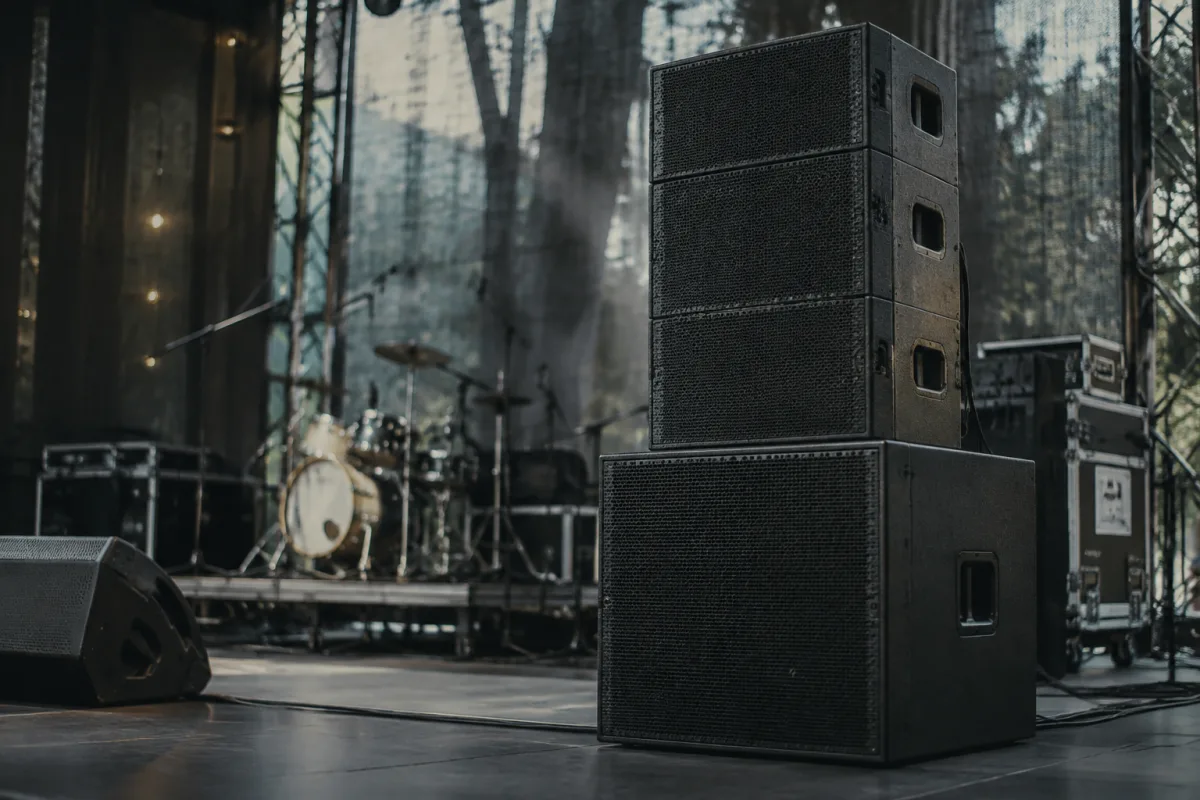
HK Audio has established itself as a trusted name in professional sound reinforcement, offering portable PA systems and speakers that balance professional quality with practical transportability. Whether you're upgrading your live performance setup, outfitting a small venue, or investing in mobile sound reinforcement, understanding HK Audio's product range and evaluating specifications helps you make informed purchases. This buying guide reveals which HK Audio features matter most, how to assess value across their product lineup, and common mistakes to avoid when investing in professional sound equipment.
Understanding HK Audio's Product Categories
HK Audio specialises in portable PA systems and powered speakers suitable for live performances, DJ applications, and small-venue sound reinforcement. Their primary categories include fully integrated PA systems (combining amplifier, mixer, and speakers), separate powered speakers for deployment flexibility, and passive speaker systems for custom installations. Budget-friendly options (£500-1,500) suit small venues and mobile DJs. Mid-range offerings (£1,500-4,000) serve larger venues and demanding applications. Professional systems (£4,000+) handle complex installations and high-volume requirements.
This product structure positions HK Audio in the professional-accessible tier—higher quality than consumer audio but more affordable than premium touring systems. Understanding this positioning prevents mistaking HK Audio as budget audio or conversely as entry-level professional equipment.
Power Output and Coverage Specifications
HK Audio systems typically deliver 500-3,000 watts depending on configuration. Small venue applications (100-300 person capacity) require 500-1,500 watts; larger venues need 2,000+ watts. However, wattage alone misleads—speaker efficiency and frequency response matter equally to power output. Two equally-powered systems can deliver dramatically different sound levels depending on speaker design efficiency.
Coverage patterns (how far sound projects before degrading) significantly affect venue suitability. HK Audio speaker designs typically deliver consistent coverage across 30-degree to 120-degree dispersion angles depending on model. Evaluate whether coverage patterns match your typical venue size and configuration before purchasing.
Maximum SPL (sound pressure level) ratings indicate how loud systems can reproduce music clearly. Professional sound reinforcement targets 95-105 dB SPL for typical venues. Budget systems sometimes sacrifice maximum SPL for cost; ensure specifications match your volume requirements before committing.
Frequency Response and Sound Quality Considerations
HK Audio's reputation rests on balanced frequency response—speakers that reproduce bass, mid-range, and treble clearly without excessive coloration. This neutrality appeals to live performers and DJs requiring consistent sound across diverse music genres. Evaluate frequency response specifications (typically 40Hz-20kHz for quality systems) and listen critically in demonstration environments.
Distortion characteristics matter significantly. Professional systems target low THD (total harmonic distortion) measurements—less than 1% across operational frequency ranges. Budget systems sometimes exhibit noticeable distortion at high volumes; this degradation becomes apparent during performances. When comparing products, prioritise sound quality over wattage claims.
Speaker cabinet materials influence sound character. Quality plywood construction (typical on professional systems) resists vibration-induced degradation better than particle board alternatives. This seemingly minor detail impacts tone clarity and longevity significantly. Inspect cabinet construction during purchasing evaluation.
Portability and Setup Complexity
HK Audio systems range from single all-in-one units to multi-component configurations. Single-unit systems offer maximum convenience but limited expansion capability. Multi-component systems (separate mixer, amplifier, speakers) provide flexibility but require more complex setup and transport management. Assess your typical setup requirements and venue logistics before deciding between approaches.
Weight becomes critical if you're frequently transporting systems. Portable PA typically weighs 15-50kg per component; ensure you can safely transport and set up chosen systems. Professional sound technicians often overlook portability concerns until discovering they're manually carrying equipment between venues multiple times weekly.
Cable management and setup speed matter during live performances. Systems with integrated connections and clear setup documentation reduce setup time significantly. Evaluate whether prospective systems require complex cabling or whether integrated designs simplify deployment.
Input Options and Mixer Functionality
Professional HK Audio systems typically include built-in mixers with multiple input channels (typically 4-16 channels depending on model). Evaluate whether channel count, input types, and mixing controls suit your typical performance requirements. Simple systems might feature minimal EQ; professional offerings include parametric EQ and effects processing.
Connection types matter significantly. USB inputs enable direct computer connectivity for DJ and electronic music applications. Wireless microphone compatibility (if your performances require vocals or spoken word) necessitates specific input provisions. Evaluate genuine mixing requirements before purchasing—unnecessary features add cost without proportional value.
Monitor capabilities (ability to send separate mixes to performers) matter only for complex performances. Simple deployments without monitor requirements shouldn't justify premium pricing for this feature. Honestly assess what mixing functionality genuinely serves your typical applications.
Durability and Build Quality Investment
Professional HK Audio systems employ reinforced cabinets, quality connectors, and robust internal components designed for years of touring. Budget models prioritise cost over durability, sometimes suffering premature failures. Calculate long-term cost-per-use; professional durability often represents better value than repeatedly replacing failing budget equipment.
Protection features matter during transport and setup. Recessed speaker grilles, reinforced corners, and protected inputs prevent accidental damage. Professional-grade systems typically include these protective details that budget alternatives omit. Inspect construction carefully when evaluating options.
Warranty and manufacturer support indicate confidence in product longevity. Quality systems often include 2-3 year warranties with local repair availability. Budget systems sometimes feature minimal warranty coverage and limited repair networks. Factor warranty coverage into purchasing decisions—extended warranty availability suggests manufacturer confidence in durability.
Price Tiers and Value Assessment
Budget HK Audio systems (£500-1,500) offer basic functionality suitable for small venues and casual deployments. These represent excellent value for cost-conscious buyers accepting limited features and durability. Mid-range systems (£1,500-4,000) provide professional sound quality, expanded functionality, and improved durability justifying premium pricing for serious users. Premium systems (£4,000+) deliver maximum features and reliability but serve only demanding professional applications.
Align purchasing with genuine requirements. A small venue owner doesn't need premium equipment costing thousands; conversely, a touring sound technician purchasing budget equipment repeatedly proves more expensive than initial investment in quality systems. Honestly assess your use case.
Comparing HK Audio to Competing Brands
Competitors include QSC, Bose Professional, JBL Professional, and various budget alternatives. QSC emphasises professional touring-grade durability; Bose targets premium aesthetics alongside performance; JBL offers extensive product range across all price points. Understanding competitive positioning helps identify whether HK Audio specifically justifies its value proposition compared to alternatives.
Direct comparisons require evaluating specifications and sound quality rather than relying on brand reputation. Research actual performance data, read professional reviews, and audition equipment extensively before purchasing. No single brand excels universally across all applications.
Common Buying Mistakes to Avoid
The most frequent error is purchasing excessive wattage for actual requirements. Beginners often assume higher wattage automatically means better, yet overpowered systems waste money and create unnecessary transport challenges. Honestly assess venue sizes and volume requirements; purchase accordingly.
Another common mistake is neglecting frequency response and sound quality specifications in favour of wattage claims. A 1,000-watt system with poor frequency response sounds worse than a 500-watt system with accurate tonal balance. Prioritise sound quality over wattage specifications.
Many buyers also underestimate setup complexity. What looks simple in specifications often requires significant experience and technical knowledge to deploy effectively. Visit demonstrations, help experienced users set up systems, and understand realistic complexity before purchasing.
Used Equipment and Budget Considerations
Professional audio equipment's durability means used HK Audio systems frequently perform perfectly. Used markets often feature professional-grade equipment at 50-70% of retail pricing. Purchasing used and investing savings in cables, stands, or professional setup services represents smarter value than stretching budget for new budget-tier alternatives.
Verify used equipment condition thoroughly: test all inputs, check for internal component damage, and confirm warranty applicability. Professional audio stores often sell quality used equipment with limited warranties, protecting your investment reasonably.
Testing and Auditioning Equipment
Professional audio retailers frequently allow equipment auditioning. Insist on hands-on testing before purchasing. Hear how systems sound through your typical music and in venue-realistic environments. What sounds impressive in retail demonstrations might sound inappropriate in your actual application.
When auditioning, assess setup simplicity and operational ergonomics as carefully as sound quality. Equipment that sounds beautiful but requires complex setup frustrates you during every deployment. Real-world functionality matters equally to technical specifications.
Long-Term Investment Considerations
For comprehensive information about HK Audio systems, broader sound reinforcement strategies, and detailed comparisons, consult our complete guide to HK Audio. You're now equipped to evaluate HK Audio systems objectively. Determine your venue requirements and performance applications, research specific models matching those needs, audition extensively, and purchase with confidence. Quality sound reinforcement serves years of professional deployments when chosen wisely for appropriate applications.


Comments