


High Gain Amp article
High Gain Amp for Beginners: A Complete Guide
High-gain amplifiers power heavy metal and extreme rock. This beginner's guide explains what high-gain means, which amps forgive beginner mistakes, and how to find a heavy amp that teaches you proper technique rather than masking poor playing.
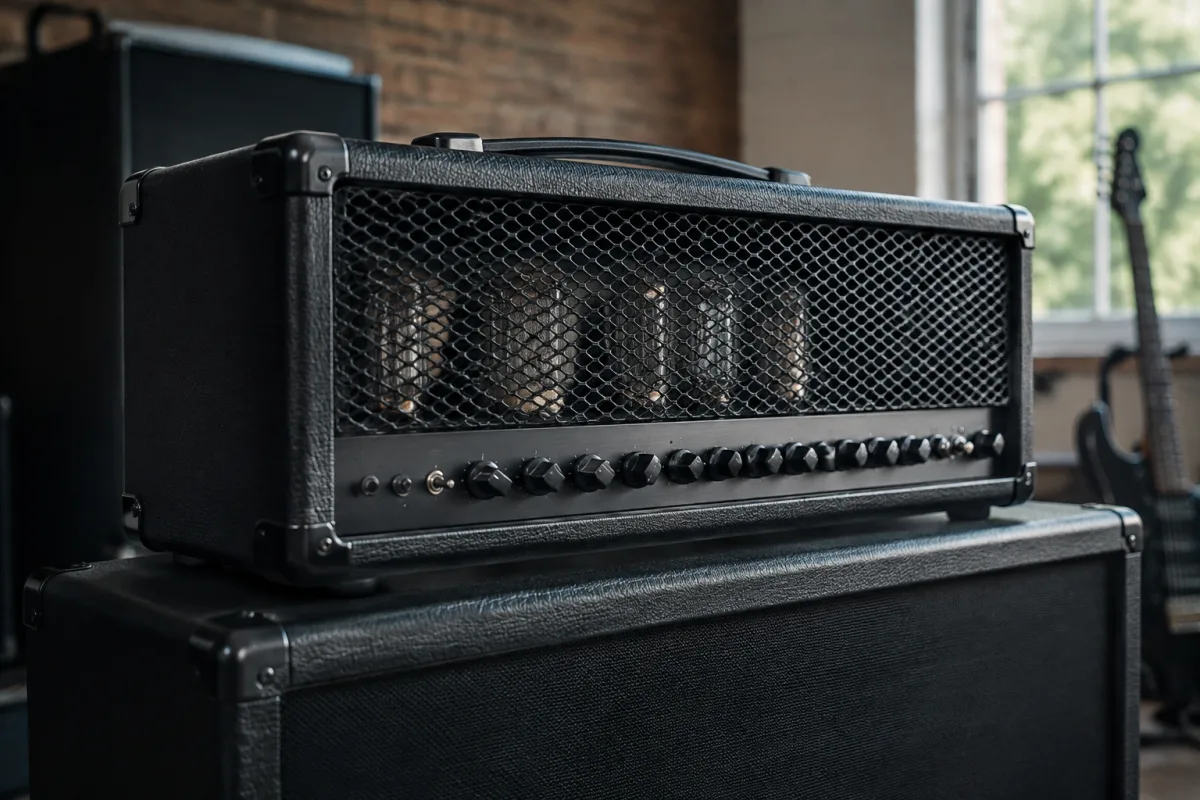
If you're drawn to heavy metal, progressive rock, or any genre requiring saturated, aggressive guitar tone, "high-gain amp" gets thrown around everywhere. For a beginner exploring heavy music, understanding what high-gain actually means and how to choose your first heavy-tone amplifier is genuinely important. This guide demystifies high-gain amplification, explains what makes an amp suitable for learning heavy music, and helps you avoid overshooting your actual sonic needs.
What Is "High-Gain" and Why Should You Care?
High-gain refers to amplifier circuitry designed to produce extreme distortion and sustain—the thick, saturated, heavy tone associated with metal and extreme rock. A high-gain amp takes your guitar signal and amplifies it aggressively, producing feedback, harmonic overtones and compression that define heavy music. As a beginner exploring heavy genres, a high-gain amp helps you achieve the aesthetic you're pursuing. However, high-gain amps are finicky—they expose poor technique, require careful settings to sound good, and demand specific guitars and pickups to shine. Choosing a beginner-friendly high-gain amp matters enormously.
High-Gain Amp Characteristics for Learners
When shopping for your first heavy amp, prioritise these traits. First, an intuitive tone-shaping interface—you should understand what each control does without a manual. Second, articulate gain response that rewards tighter playing—messy technique should sound messy, good technique should sound clear. Third, built-in effects that work reliably—reverb, delay and chorus should enhance rather than muddy your tone. Fourth, moderate wattage (20–50 watts) suitable for learning without bedroom-destruction volume. A high-gain amp that teaches proper technique is infinitely more valuable than a louder amp that hides sloppy playing.
Popular High-Gain Amp Brands for Beginners
Mesa Boogie is the industry standard—their Mark series and Dual Rectifier line are legendary for heavy tone. However, they're expensive (£1,500+) and require understanding to dial in properly. Marshall is a safer starting point—their JCM900 and JCM2000 models are somewhat forgiving whilst still delivering serious heaviness. Peavey's 5150 (designed by Eddie Van Halen) is another respectable option. For absolute beginners on budget, Blackstar's ID series offers surprisingly usable high-gain modelling at £300–£600. Don't assume expensive equals beginner-friendly; research how forgiving each model is before committing.
Wattage Reality for Heavy Music Learning
Here's the hard truth: a 50-watt high-gain amp is genuinely loud, especially with heavy distortion. A 20-watt head is adequate for bedroom and rehearsal learning. A 40-watt combo handles small venues. Many beginners make the mistake of buying 100+ watt rigs thinking they'll gig immediately. Unless you have actual gigs booked, undershooting wattage initially is sensible. You can always add a cabinet and second amp head later to expand power. Start lean, upgrade methodically.
Tube Versus Solid-State for Heavy Tones
Tube amps (valve amps) are the traditional heavy music standard—they produce organic saturation and natural compression prized in metal. Solid-state amps are cheaper, lighter and more reliable but sound comparatively digital. For a beginner, solid-state is acceptable whilst learning; you can upgrade to tubes later if you're serious about the genre. Hybrid amps (tube preamp with solid-state power section) offer a middle ground. If budget is unlimited, a quality tube amp is the right choice. If budget is tight, solid-state teaches you everything about high-gain amp operation.
Gain Versus Tone: The Beginner Trap
Many beginners crank the gain knob to 10 and wonder why everything sounds muddy and undefined. Here's the secret: gain control should sit at 50–70%, with EQ shaping the tone. Bass too high makes everything boomy; treble too high creates harshness. Midrange is where definition lives. Spend weeks tweaking EQ settings before deciding a gain sound is "right." This patience teaches more than months of careless playing.
Headphone Output and Silent Practice
If bedroom volume is a concern, prioritise amps with headphone outputs. You can practise heavy metal silently through headphones, which is genuinely valuable for flat-dwellers and people with noise-sensitive housemates. Not all high-gain amps include this feature—check before purchasing if silent practice matters to you.
Guitar and Pickup Considerations
High-gain amps respond dramatically to guitar choice. A single-coil guitar through a high-gain amp sounds thin and undefined. A guitar with high-output pickups (humbuckers, active pickups) sounds authoritative and focused. As a beginner, understand that a £200 guitar through a £2,000 high-gain amp won't compensate for the guitar's limitations. You don't need an expensive guitar, but you need one designed for heavy music—typically, a solid body with humbucker pickups. Budget-friendly options exist; research before buying.
Forgiving Versus Unforgiving Amp Choices
Mesa Boogie high-gain amps are legendary but unforgiving—they expose every mistake in your playing and amplification chain. Marshall amps are somewhat more forgiving—they sound decent even with imperfect settings. For a beginner, Marshall or Peavey is a safer starting point. Once you understand gain, EQ and proper technique, upgrade to Mesa or another esoteric high-gain rig if you're committed to the genre.
Common Beginner Mistakes with High-Gain Amps
First, don't assume higher wattage means better tone—a properly set 40-watt amp sounds heavier than a badly dialled 100-watt amp. Second, don't buy professional-tier gear before understanding your actual sonic needs. Third, don't overlook guitar quality—a heavy amp can't save a poorly designed guitar. Fourth, don't crank gain whilst ignoring EQ. Most high-gain tone comes from careful EQ, not just gain amount. Fifth, don't buy without auditioning. High-gain amps have distinctive voices; what sounds incredible to one player sounds wrong to another.


Comments