
High Fi Speakers article
The Complete Guide to High Fi Speakers
Explore high fi speakers and premium audio equipment. Understand speaker technology, specifications, and how to choose the right speakers for your listening space.
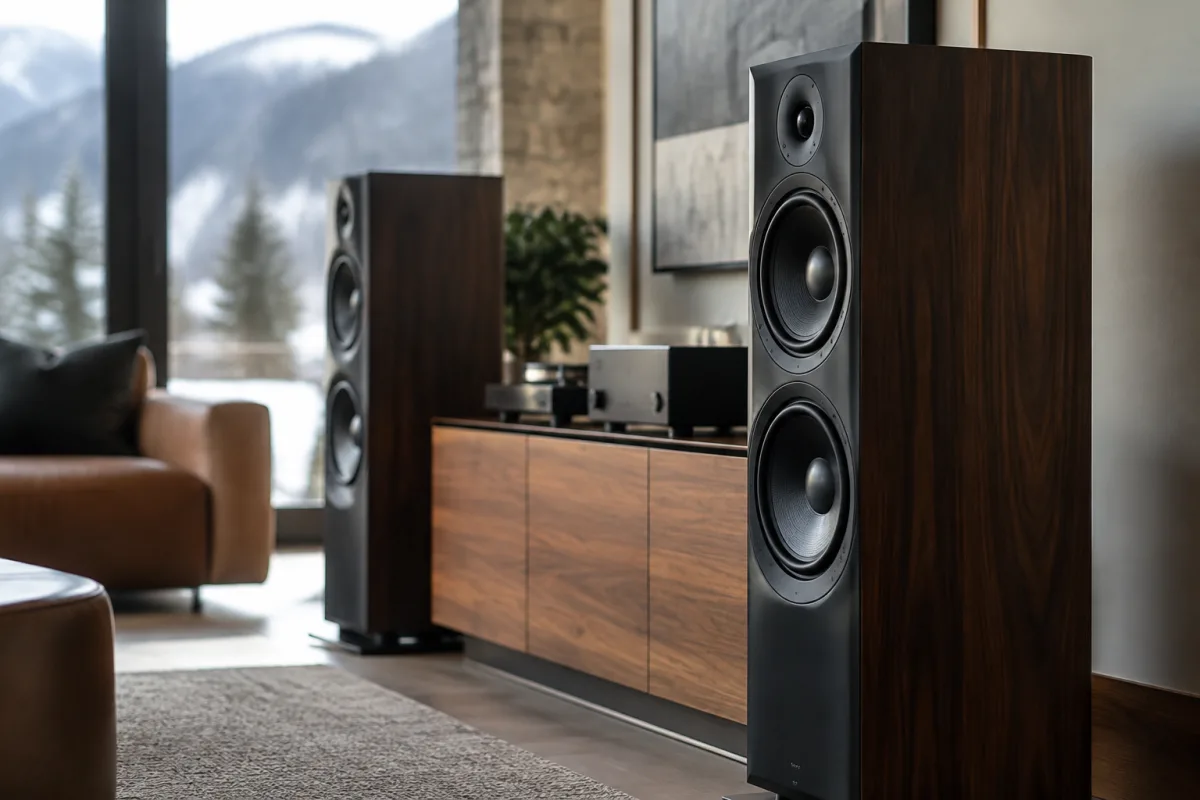
High fi speakers represent the pinnacle of audio reproduction technology, designed to faithfully reproduce recorded music with minimal distortion and maximum accuracy. The term "high fidelity" refers to audio systems capable of reproducing sound across the entire audible frequency spectrum with exceptional clarity. Quality systems serve as the final link between amplification and listening ears, fundamentally determining whether an audio installation achieves its potential for musical enjoyment. Whether building a dedicated listening room or selecting appropriate equipment, understanding speaker characteristics, construction methods, and performance metrics enables informed purchasing decisions that significantly enhance listening satisfaction.
Understanding Premium Speaker Technology
High fi speakers employ sophisticated driver construction and advanced engineering methods to achieve accurate reproduction. Multiple driver types within these systems handle different frequency ranges—woofers reproduce bass frequencies, mid-range drivers handle vocals and instrumental content, and tweeters produce high frequencies. Crossover networks direct appropriate frequencies to each driver, ensuring smooth, accurate response across the audible spectrum.
Cabinet design critically influences speaker performance and sound quality. Rigid, well-braced cabinets prevent unwanted resonances that colour reproduction. Quality high fi speakers typically employ solid wood or composite construction chosen to damp internal vibrations. Cabinet damping materials absorb sound reflections within the enclosure, reducing standing waves that distort bass and muddy overall character.
Design Approaches for Premium Audio
Acoustic suspension designs seal cabinets completely, using air pressure to control driver movement. These systems typically exhibit smooth bass response but require more amplifier power. Ported designs employ carefully tuned cabinet openings extending bass response efficiently, allowing speakers to achieve deeper bass with less amplification, though some designs sacrifice accuracy for extended range.
Planar magnetic and electrostatic models represent alternative high fi speakers technologies offering exceptional midrange accuracy and imaging precision. These designs employ flat panels producing sound from their entire surface rather than traditional cone drivers. Such equipment excels in revealing detail and creating convincing three-dimensional soundstages, though they typically require substantial listening spaces and careful amplifier matching.
Key Performance Specifications
Understanding specifications helps compare different high fi speakers effectively. Frequency response indicates the range of frequencies reproduced—wider range suggests more complete sound. Sensitivity measurement (dB/watt) indicates how efficiently these speakers convert amplifier power into sound—higher sensitivity requires less power for equivalent volume. Impedance specification (typically 4-8 ohms) indicates electrical resistance, crucial for proper speaker selection and amplifier matching.
Harmonic distortion figures measure reproduction accuracy. Low distortion (typically below 0.1%) indicates faithful recreation of input signals. Speaker directivity affects how sound projects into listening rooms—some designs exhibit wide or narrow radiation patterns influencing optimal placement and room interaction characteristics.
Materials and Construction Excellence
Premium high fi speakers employ exceptional materials throughout their construction. High-grade drivers use reinforced paper cones, specially treated surrounds, and powerful magnets for accurate, efficient sound production. Crossover networks employ audio-grade capacitors, inductors, and resistors selected for sonic transparency. Many manufacturers hand-match components ensuring consistent performance across production runs.
Cabinet construction represents another distinguishing feature of quality systems. Hand-crafted models often feature solid wood construction braced extensively to eliminate resonances. Premium damping materials throughout enclosures absorb internal reflections. These construction methods increase cost substantially but reward listeners with musically engaging sound reproduction.
Room Acoustics and Placement Importance
Even exceptional equipment cannot overcome poor room acoustics and placement. Speaker positioning relative to walls and room dimensions profoundly affects bass response, soundstage precision, and overall balance. Careful positioning of high fi speakers, often requiring experimentation and measurement, optimises your audio system's potential. Room treatments further enhance acoustic performance and listening satisfaction.
Quality equipment should ideally sit away from walls, particularly reflecting back and side boundaries that cause problematic bass reinforcement. Tweeter height relative to listener ear level influences perceived tonal balance. Patient experimentation with speaker positioning typically yields dramatic sonic improvements without expensive equipment upgrades.
Budget and Value Considerations
Premium high fi speakers offer exceptional value across price ranges. Budget-friendly options under £300 deliver surprising accuracy and musicality. Mid-range models (£500-2000) typically exhibit superior soundstage precision and bass control. Premium systems (£2000-10000+) approach the limits of reproducible accuracy, though diminishing returns apply as prices increase substantially.
Quality equipment represents long-term investments in listening pleasure, often providing decades of reliable enjoyment. By understanding speaker technologies, construction approaches, and performance metrics, listeners make informed purchasing decisions leading to satisfying audio systems that transform their appreciation and enjoyment of recorded music.



Comments