


Harmonizer Pedal article
Harmonizer Pedal for Beginners: A Complete Guide
A harmonizer pedal adds perfect harmonic voices to your playing instantly, making you sound like multiple guitarists. This guide demystifies the gear and helps you get started.
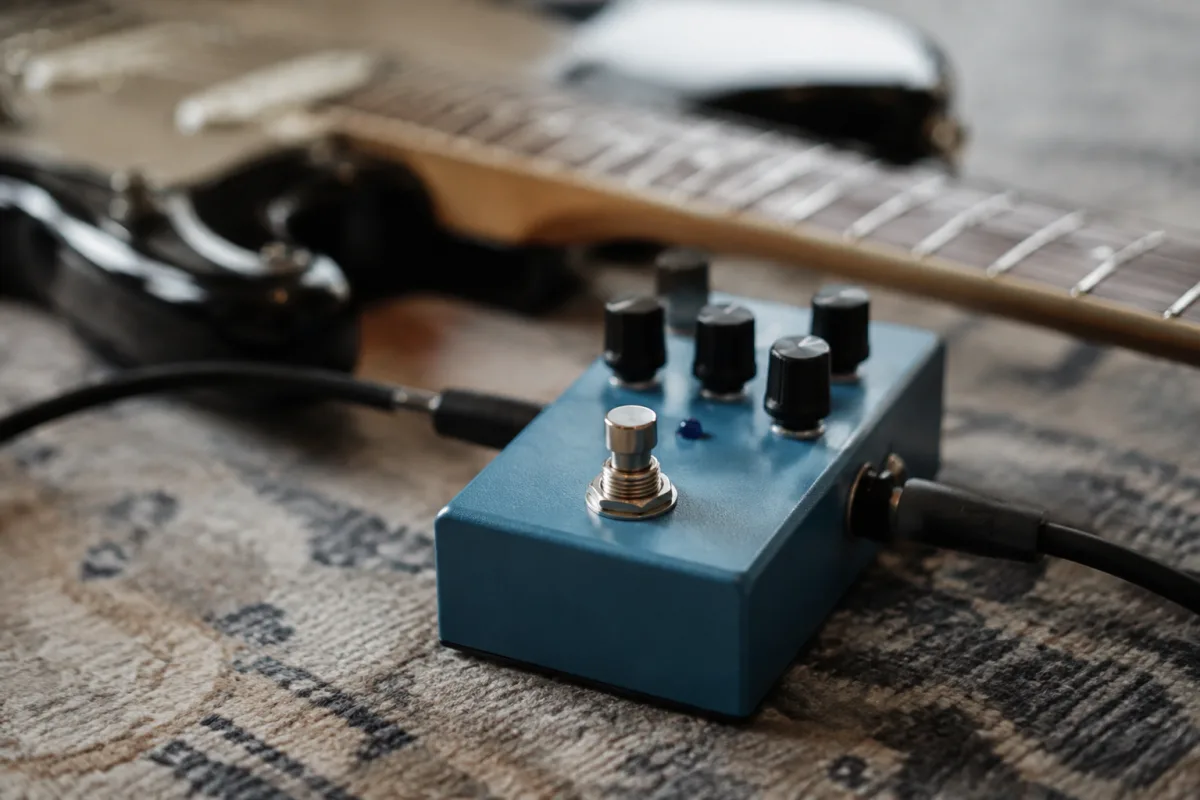
A harmonizer pedal might sound intimidating if you've never heard one in action — the name conjures images of complex gear and tech-heavy effects. In reality, a harmonizer is one of the most magical and intuitive pedals you can buy. It detects what note you're playing, then adds harmonically perfect voices underneath. Suddenly, you're playing like multiple people. This guide is for guitarists curious about harmonizers but hesitant to make the leap.
What Does a Harmonizer Pedal Actually Do?
A harmonizer listens to the pitch of the note you play and adds one or more additional voices—usually a third or fifth above or below. Play an E note on your guitar; the harmonizer adds a G# (a major third above) and a B (a perfect fifth above). Now you're playing a triad — a full, rich sound — with just your single guitar line.
Unlike a simple octave pedal (which just doubles your note one or two octaves higher or lower), a harmonizer understands music theory. It follows intervals and voicings that sound correct, not robotic.
The effect ranges from subtle and warm (adding one harmonic voice) to lush and orchestral (stacking multiple voices). Use it sparingly for texture, or lean on it as a core sound in your rig.
Why Should Beginners Care About Harmonizers?
As a beginner, you might think a harmonizer is for advanced players. It's not. In fact, a harmonizer can make you sound fuller and more professional immediately. Playing a single-note lead suddenly sounds like arranged music. It's genuinely inspiring — hearing what your playing sounds like with accompaniment built in.
Harmonizers also help train your ear. When you hear the harmonies the pedal generates, you're learning intervals and chord tones naturally. Over time, you'll internalise those harmonic relationships, which improves your fretboard knowledge and improvisation.
Different Types of Harmonizers
Simple harmonizers add one fixed harmony voice—maybe a major third above your line. Easy to understand, useful for beginners, and inexpensive (£60–120).
Multi-voice harmonizers let you dial in multiple voices and control how many harmonies play simultaneously. Boss Pitch Shifter/Delay (£100–150) and TC Electronic Plethora (£300+) offer options. These are more flexible but more complex.
Learning-focused harmonizers (like iRig BlueBoard, if paired with the right app) let you transpose to different keys and hear how melodies change. These are fun for understanding theory.
High-end harmonizers (Eventide, TC Electronic) offer algorithmic harmonisation — they "understand" the key you're in and generate voices that fit. Advanced, but overkill for beginners.
The Sound: What to Expect
A good harmonizer sounds lush, organic, and — crucially — in-tune. Poor ones sound robotic, out-of-tune, and synthetic. This is why brand and processing power matter. A cheap £30 harmonizer might struggle to track fast runs or chords, producing glitchy, out-of-tune results.
The best beginner-friendly harmonizers have a slightly warm, slightly synthetic quality that sounds intentional and musical. Boss and TC Electronic nail this balance.
Key Features to Understand
Interval selection: Does the pedal let you choose which interval (third, fifth, octave) gets harmonised? Manual selection means you're in control; automatic means the pedal decides based on input.
Key selection: Can you set the key? Essential for advanced playing. A beginner might start in C major and not need this, but it matters as you explore different keys.
Mix control: Can you adjust how much harmonised voice plays relative to your original signal? You want a blend that lets both shine.
Tracking speed: How quickly does the pedal detect your notes? Slower tracking (common on cheap pedals) sounds laggy; fast tracking feels responsive. Test this before buying if possible.
Polyphonic vs. monophonic: Polyphonic harmonisers work with chords; monophonic works with single notes. For beginners learning melody, monophonic is simpler and cheaper.
Common Mistakes When Getting Started
The biggest mistake is assuming a cheaper harmonizer will work just as well as an expensive one. It won't. Cheap units track poorly, sound robotic, and go out-of-tune easily. You'll get frustrated and abandon it.
Another pitfall: using too much harmony voice. Start subtle. If the harmoniser is overpowering your original signal, dial it back. The best harmoniser sounds like you're playing a duet, not like a robot is drowning you out.
Don't set it and forget it. Spend time experimenting with different intervals, keys, and mix levels. The same pedal sounds completely different depending on settings.
Beginner-Friendly Harmonizer Recommendations
Boss ME-50 or ME-80 (£300–500): Multi-effects units with excellent harmoniser algorithms. Overkill for a single effect, but if you want reverb, delay, and harmoniser all in one, these are brilliant.
Boss Pitch Shifter/Delay (£120–150): Not a pure harmoniser, but the pitch shift mode approximates one. Affordable, reliable, Boss quality.
Eventide PitchFactor (£250–350): Pro-quality harmoniser in pedal form. More expensive, but excellent tracking and gorgeous tone. Worth it if harmoniser is your focus.
TC Electronic Plethora (£300+): Software-based harmoniser with endless flexibility. More for intermediate-to-advanced players, but genuinely powerful.
Behringer V-Tone (£40–60): Budget option, limited but workable for very casual use. Don't expect professional tone.
Setting Up Your First Harmonizer
Start in a major key like C or G major. Set the harmoniser to add a major third above your note. Play a simple melody—maybe a folk tune or simple pop song. Adjust the mix until the harmony voice sits nicely with your original.
Experiment with the interval. Try a fifth, try an octave. Notice how each interval changes the vibe. A third is sweet and romantic; a fifth is open and neutral; an octave is bold and obvious.
Place the harmoniser early in your effects chain, or run it as a separate output on a multi-effects unit. This lets you balance it without affecting other effects.
Is a Harmonizer Worth It for Beginners?
Absolutely, if you're curious about fuller tone and you enjoy experimental sounds. It's not essential — you'll learn guitar fine without one. But if you love the idea of instantly sounding like a band, or you want to explore harmony and music theory in an intuitive way, a quality harmoniser is transformative.
For a deeper exploration of harmonizer types, advanced techniques, and genre-specific uses, read our complete guide to guitar harmonizer pedals. It covers everything from simple pitch shifters to algorithmic wonders.
Start with a reliable mid-range model, experiment freely, and enjoy the magic of instant harmony. It's one of the most rewarding effects you'll add to your rig.


Comments