


Voice Guitar Pedal article
Voice Guitar Pedal for Beginners: A Complete Guide
Voice guitar pedals add vocal-like effects to your tone—chorus, reverb, harmoniser—using straightforward controls. This beginner guide explains what effects do, provides simple starting points, and addresses common worries holding new players back.
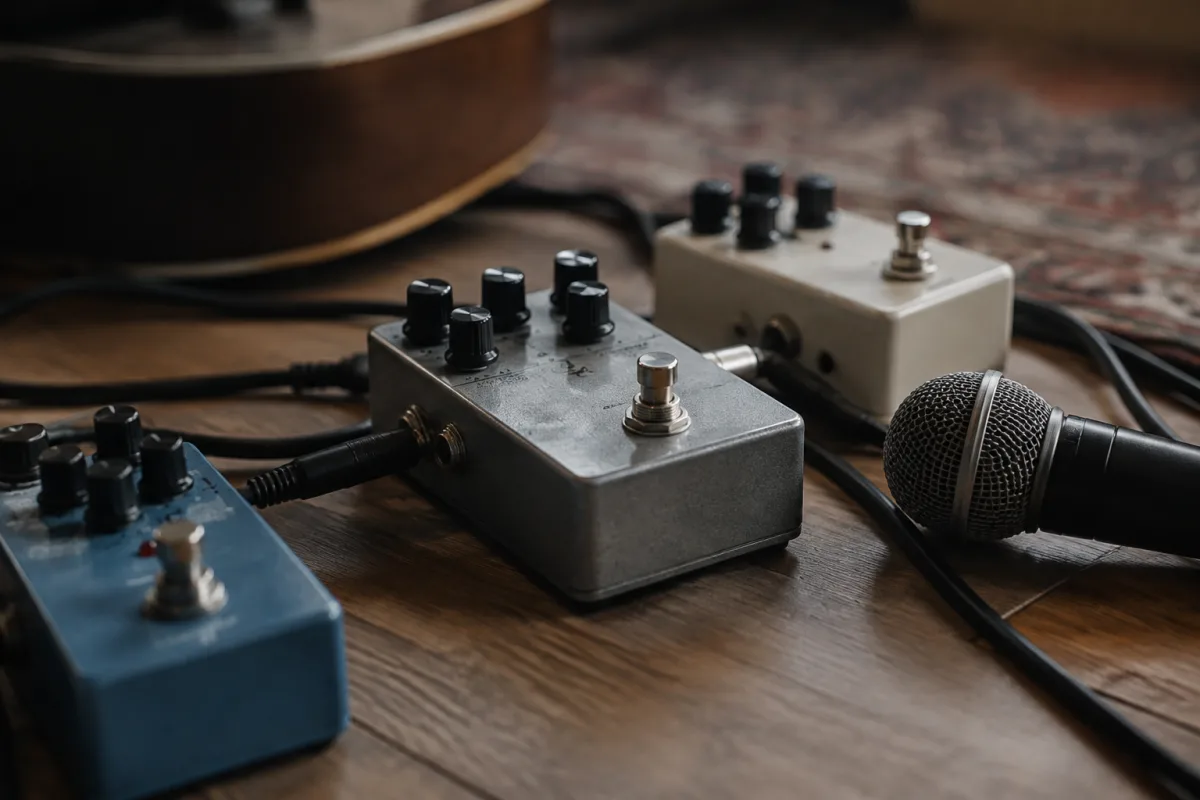
Voice guitar pedals open a world of expressive tonal possibilities that intimidate beginners with their array of buttons, displays, and mysterious parameter names. The truth is simpler than it appears: these pedals add vocal-like effects to your guitar tone—chorus, reverb, vocal modulation, and harmoniser effects—using straightforward controls. This guide addresses beginner hesitations about voice pedals, explains what they actually do in plain language, and walks you through your first experience without technical jargon or overwhelming detail.
What "Voice Effects" Actually Means
Voice guitar pedals replicate or enhance effects typically associated with vocal production applied to your guitar sound. A chorus pedal makes your guitar sound like it's playing simultaneously with a slightly detuned copy of itself—fuller, wider, less thin. A reverb pedal adds spacious ambience, as if you're playing in a large room. Harmoniser pedals generate additional pitches tracking your guitar, creating chord-like effects from single notes. Pitch shifter pedals transpose your tone higher or lower, useful for solos or layering contrasting pitch information. None of these require complex understanding of sound science; think of them simply as sonic colour choices, like choosing between painting with soft brushes or hard edges.
Starting with One Effect, Not Five
Professional guitarists own pedalboards with eight, twelve, or more effects stacked together. Beginners often assume they need similar complexity immediately. This approach creates confusion and frustration. Instead, start with a single voice effect matching your musical goals. Are you drawn to lush, expansive textures? Reverb or chorus will satisfy. Do you want your guitar sounding heavier or denser? Compression or harmonic distortion helps. Pick one effect that addresses a specific artistic goal—don't attempt to learn five simultaneously. After a month of comfortable use, add a second effect if desired. This gradual approach develops instinctive understanding rather than bewildering you with choices.
Chorus: The Beginner-Friendly Starting Point
If you're entirely undecided, chorus is an excellent first voice effect. It makes your guitar sound wider and fuller without dramatically changing the core tone. The effect is forgiving: it's hard to make chorus sound outright bad, even with thoughtless settings. Most chorus pedals feature three essential controls: Rate (speed of the modulation), Depth (intensity of the effect), and Mix (how much effect versus clean signal). Setting all three to middling positions produces pleasant, usable chorus. That simplicity makes chorus perfect for beginners. Spend a week exploring chorus at different settings, learning what each control does, then branch toward other effects if curious.
Reverb: Creating Spaciousness and Ambience
Reverb simulates playing in different sized spaces—a small room, a cathedral, a concert hall. It adds spatial depth without dramatically colouring your tone like distortion does. Most reverb pedals include Room Size (how "large" the space sounds), Decay Time (how long the reverb sustains), and Mix controls. A beginner's mistake: drowning the guitar in excessive reverb, creating a soupy, unclear tone. Combat this by keeping Mix (the reverb-to-dry-signal balance) moderate—around 30–40%—until you develop an ear for how much reverb your ears enjoy. Many genres (ambient, post-rock, psychedelic) feature rich reverb; others (tight rock, funk) minimise it. Experiment across musical styles you admire.
Harmoniser: Adding Vocal-Like Harmony to Single Notes
Harmoniser pedals generate additional pitches tracking your guitar, creating implicit chords from individual notes. Play a single G note; the harmoniser generates a B (major third) and D (perfect fifth) above it, sounding like you're playing a G major chord. This effect feels magical initially—suddenly your single-note melodies sound orchestral. The beginner pitfall: relying on harmoniser excessively, creating clichéd textures. Harmoniser works best as occasional special effect, not constant mode. Many voice pedals include switchable intervals (which additional notes get generated), allowing experimentation across musical contexts. Start with major third intervals, which sound universally pleasant, before exploring minor thirds or fifths.
The Simplest Setup: Pedal, Cable, Amp
Voice pedals plug directly into your guitar cable chain: Guitar → Pedal → Amplifier. You need two instrument cables—one from guitar to pedal input, another from pedal output to amp. Most pedals include footswitches activating/deactivating the effect mid-performance. The basic workflow: play clean (footswitch OFF), activate the effect with a footstep (footswitch ON), turn it off when you're done. Nothing more complex is required initially. Advanced guitarists layer effects chains, use expression pedals modulating parameters in real time, and perform complex edits mid-performance. Ignore all that until you've spent weeks comfortable with basic on/off toggling.
Power Requirements: Battery vs. Adapter
Some voice pedals run on batteries (AA, 9V, or proprietary formats); others require external power adapters. Batteries offer portability but require replacement and create landfill waste. Mains adapters provide reliable, free power but tether you to electrical outlets. For beginners, adapter-powered pedals are preferable—you won't worry about batteries dying mid-performance. Check whether your chosen pedal includes an adapter or requires purchase. Many pedals support both; confirm your setup before leaving the shop. Nothing frustrates beginning performers like discovering mid-rehearsal that your batteries expired.
Avoiding Beginner Traps with Voice Pedals
Don't assume you need an expensive pedal; mid-range voice effects (£50–£150) offer adequate quality for learning. Don't stack effects randomly hoping something sounds good; thoughtfully choose one effect serving a specific artistic purpose. Don't leave effects on constantly; turning effects on/off is a performance tool, not lazy default. Don't assume the "best" settings are maximum—most pedal parameters sound best at moderate values; beginners often max out depth, rate, or mix controls, creating unmusical extremes. Don't skip reading the manual; five minutes with the user guide reveals parameter meanings that hours of random knob-twisting won't clarify.
Listening to Others and Finding Your Voice
Spend time listening to recorded guitarists using voice effects you're considering. How does chorus sound on acoustic guitar versus electric? How does reverb behave in different musical genres? Does the harmoniser sound musical or artificial in contexts you care about? These listening sessions, done before or immediately after purchasing, accelerate your intuitive understanding. Your ears will develop preferences faster than logical deduction ever could.
When to Explore Additional Effects
After four to six weeks using your first voice effect consistently, you'll have clear sense of what comes next. Perhaps you want chorus and reverb layered together. Maybe you're drawn to pitch effects. Possibly you've discovered that your first choice serves all your needs perfectly. This experience-based knowledge means your next purchasing decision is informed rather than speculative. Avoid the common beginner mistake of buying the "deluxe" pedal with fifteen effects you'll never use; upgrade only when hands-on experience clearly indicates what you need.
Learning More About Voice Guitar Effects
For comprehensive information on voice guitar pedals, their effect types, and how to use them across different musical contexts, consult our complete guide to voice guitar pedals. That resource covers effect types, pedalboard setup, and applications across musical genres.
Your First Performance with Effects
Voice guitar pedals enhance your expressive palette without demanding complex technical mastery. Start simple—one effect, moderate settings, clear on/off control. Spend time exploring how the effect behaves at different parameter values in your own musical context. You'll be surprised how quickly comfort and confidence develop. The goal isn't instant mastery; it's building a foundation for exploration and improvement over weeks and months of regular use.


Comments