


Guitar Pedal Harmonizer Buying guide
Guitar Pedal Harmonizer: A Complete Buyer's Guide
Guitar pedal harmonizers transform single notes into rich harmonies. This guide covers tracking accuracy, voice options, and how to choose a harmonizer truly suited to your music.
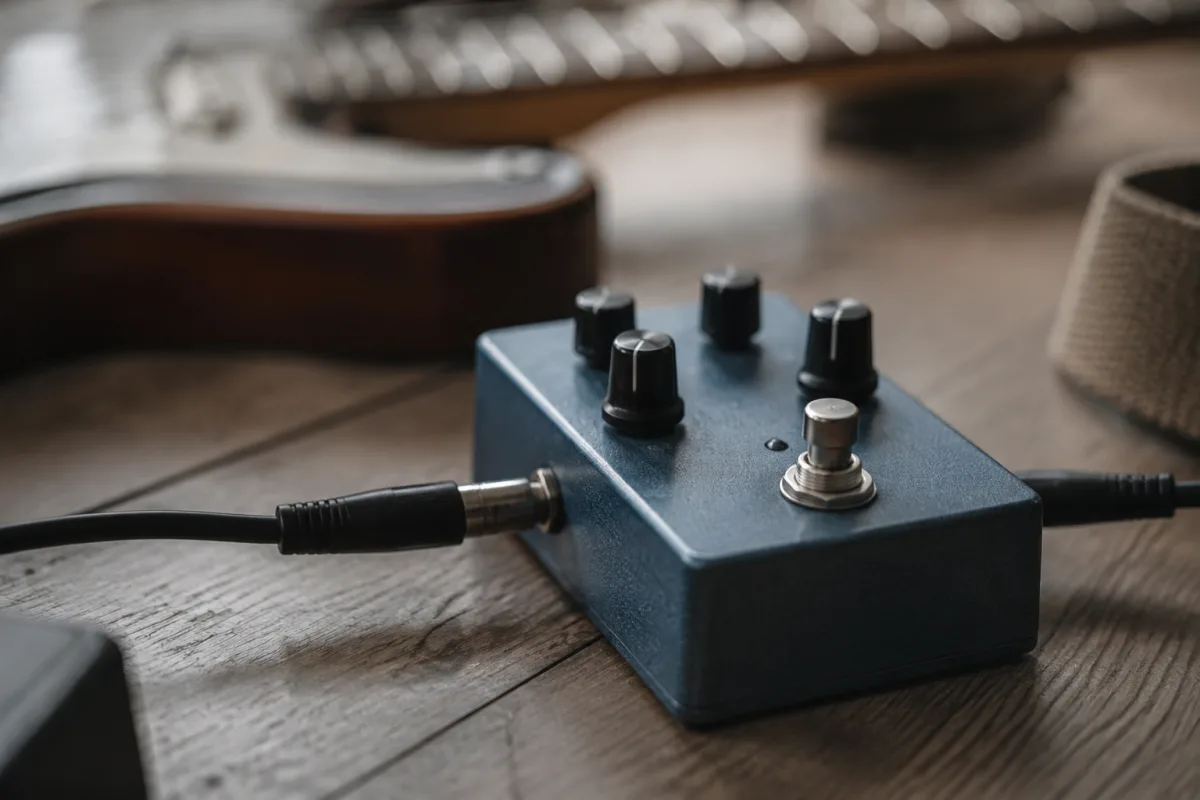
Guitar pedal harmonizers generate accompanying voices that follow your playing, creating lush, orchestrated sounds from a single instrument. These sophisticated effects pedals transform solitary guitar tones into richly layered textures, useful for lead guitarists seeking full-bodied sounds, solo performers needing harmonic accompaniment, and experimental musicians exploring unconventional textures. Yet selecting an appropriate guitar pedal harmonizer involves understanding tracking accuracy, voice quality, number of harmony voices, connectivity options, and price considerations that distinguish genuinely musical devices from frustrating gimmicks. This buyer's guide walks you through these practical considerations, helping you select a harmonizer that serves your musical vision rather than becoming an expensive ornament gathering dust.
Understanding Harmonizer Technology and Applications
Harmonizers analyse your guitar's pitch and generate accompanying voices at intervals you specify. Unlike simple pitch-shift pedals that merely shift all notes up or down uniformly, true harmonizers detect individual note pitches and generate musically appropriate harmony voices. This technology enables stunning musical effects: playing a melody whilst the harmonizer generates third and fifth intervals creates the illusion of a two-piece or three-piece guitar ensemble. Conversely, poor harmonizers track inaccurately, generating discordant or off-pitch voices that sound amateurish and unconvincing. Understanding tracking accuracy differences between models matters more than flashy feature lists.
Tracking Accuracy: The Most Critical Factor
A harmonizer's most crucial characteristic is how accurately it tracks your playing. Poor tracking results in delayed response, missed notes, or wrong intervals—destroying musical integrity and rendering the pedal unusable. Quality harmonizers feature sophisticated pitch detection algorithms that respond quickly to note changes, rarely missing pitches or responding incorrectly. Testing tracking accuracy before purchasing proves essential; listen critically for delayed responses, missed notes, or harmonies that don't match your played melody. Read user reviews specifically addressing tracking reliability; this real-world feedback reveals whether specific models perform as manufacturers claim. Spending extra for proven tracking accuracy prevents purchasing harmonizers that disappoint in practical use.
Number of Harmony Voices and Layering Capabilities
Entry-level harmonizers generate 1–2 accompanying voices alongside your guitar, creating straightforward, comprehensible harmonies. Mid-range models add 3–4 voices, enabling richer, more orchestrated textures. Professional-grade harmonizers layer 5+ voices with individually controllable parameters. More voices don't automatically mean better results; excessive layering creates mud and obscures your melody. Most guitarists find 2–3 well-chosen voices more musical than five poorly-executed ones. Consider your actual musical needs rather than accumulating features. A single harmony voice at a third interval can sound absolutely beautiful and professional, whilst five voices configured poorly sounds amateurish.
Interval Selection and Voice Characteristics
Harmony intervals determine whether the harmonizer sounds musical or strange. Thirds and fifths create classic harmonies recognisable from centuries of music history. Octaves create fuller, richer tones. Seconds and sevenths create dissonant, experimental textures. Quality harmonizers allow selecting specific intervals, enabling you to craft custom harmonic characters. Some preset collections for specific scales (major, minor, blues) simplify creation of harmonically appropriate accompaniment. Understanding which intervals suit your musical intentions helps you select a harmonizer capable of achieving your sonic vision. Avoiding models locked into single harmonic schemes prevents purchasing devices incapable of producing your desired sounds.
Connectivity and Integration Into Pedalboards
Most guitar pedal harmonizers accept guitar input via standard 1/4-inch jack and output audio through similar connectors. Some include MIDI input allowing external control of parameters via foot pedals or controllers. Some feature audio outputs for sending harmonies to separate amplifiers from your dry guitar signal. Understanding your specific pedalboard integration needs helps you choose appropriate models. A simple guitarist might only need guitar in/out. Sophisticated users might require MIDI control and multiple outputs. Verify connectivity matching your existing setup and future expansion plans before purchasing; incompatible connectivity prevents proper integration.
Signal Processing Quality and Latency
Harmonizer latency—delay between playing a note and hearing the harmony—affects musical playability significantly. Even slight latency (50+ milliseconds) creates noticeable delay that disrupts rhythm and feel. Quality harmonizers minimise latency below 20 milliseconds, maintaining responsive, natural-feeling performance. Budget harmonizers often feature substantial latency, creating frustrating delay that makes playing with the effect awkward. Testing latency before purchasing proves essential; even brief audition reveals whether latency compromises playability. Reading user feedback specifically addressing latency and responsiveness helps you identify models genuinely suitable for playing rather than recording experiments.
Price Ranges and Value Assessment
Guitar pedal harmonizers span enormous price ranges reflecting dramatic quality differences. Budget models (£80–£200) offer basic harmonization with limited features and frequently poor tracking. Mid-range harmonizers (£200–£600) deliver significantly improved tracking, better voice quality, and expanded features. Professional-grade models (£600+) feature exceptional tracking, sophisticated voice shaping, and extensive control options. For most guitarists, mid-range models offer excellent value—vastly superior to budget options without premium pricing of professional gear. Spending extra for proven tracking accuracy proves worthwhile; a harmonizer that actually works musically rewards investment far more than an expensive device with poor tracking.
Avoiding Common Purchasing Mistakes
Buyers of guitar pedal harmonizers frequently make predictable errors. First, don't assume feature-rich automatically means musically superior; sometimes simpler harmonizers with excellent tracking sound better than complex devices with poor pitch detection. Second, avoid purchasing based on flashy videos or manufacturer claims without critical listening tests. Third, don't overlook latency issues; a harmonizer with tracking latency is essentially unusable for live performance. Fourth, resist purchasing professional-grade features you won't actually use; a simpler model serving your actual needs often proves more satisfying than an overly complex alternative. Finally, don't neglect warranty and customer support; harmonizer complexity means professional servicing occasionally becomes necessary.
Integration Into Your Musical Sound
Harmonizers work best when treated as part of your overall tone rather than constantly active special effects. Many experienced users engage harmonizers selectively—perhaps for specific sections, solos, or textural moments—rather than running them constantly. This deliberate use creates impact and prevents listener fatigue. Experimenting with different intervals, voice quantities, and harmonic characteristics helps you discover uses serving your specific musical intentions. Avoid the temptation to use all available harmonizer features simultaneously; restraint and intention usually produce more professional, musical results than maximum parameter usage.
Testing Before Commitment
Whenever possible, test harmonizers before purchasing. Music shops often allow hands-on audition with your own guitar. Online retailers with generous return policies enable purchases followed by real-world testing. Rental options exist for expensive models, allowing extended trials before full commitment. This testing investment prevents costly mistakes; harmonizers that sound amazing in store demonstrations sometimes disappoint in actual playing contexts. Testing with your specific guitar, amplifier, and pedalboard setup reveals actual compatibility and performance far better than blind online purchases.
Making Your Final Selection
Selecting an appropriate guitar pedal harmonizer involves honest assessment of your actual musical needs, careful listening to tracking accuracy, and realistic evaluation of integration into your existing setup. Budget purchasing proves penny-wise but pound-foolish with harmonizers; spending extra for proven tracking accuracy and genuine voice quality rewards you through years of reliable performance. The best harmonizer suits your specific musical intentions, integrates seamlessly into your pedalboard, and enables the creative sounds you envision. Invest thoughtfully, test thoroughly, and you'll discover a harmonizer that transforms your sound in the ways you genuinely intended. Visit our complete guide to guitar pedal harmonizer for detailed model comparisons and technical specifications.



Comments