


Guitar Pedal Amplifier Buying guide
Guitar Pedal Amplifier: A Complete Buyer's Guide
Choosing a guitar pedal amplifier requires understanding wattage, speaker configuration, digital versus analogue processing, and your actual use case. This guide helps you navigate the options and invest in an amp that truly suits your playing.
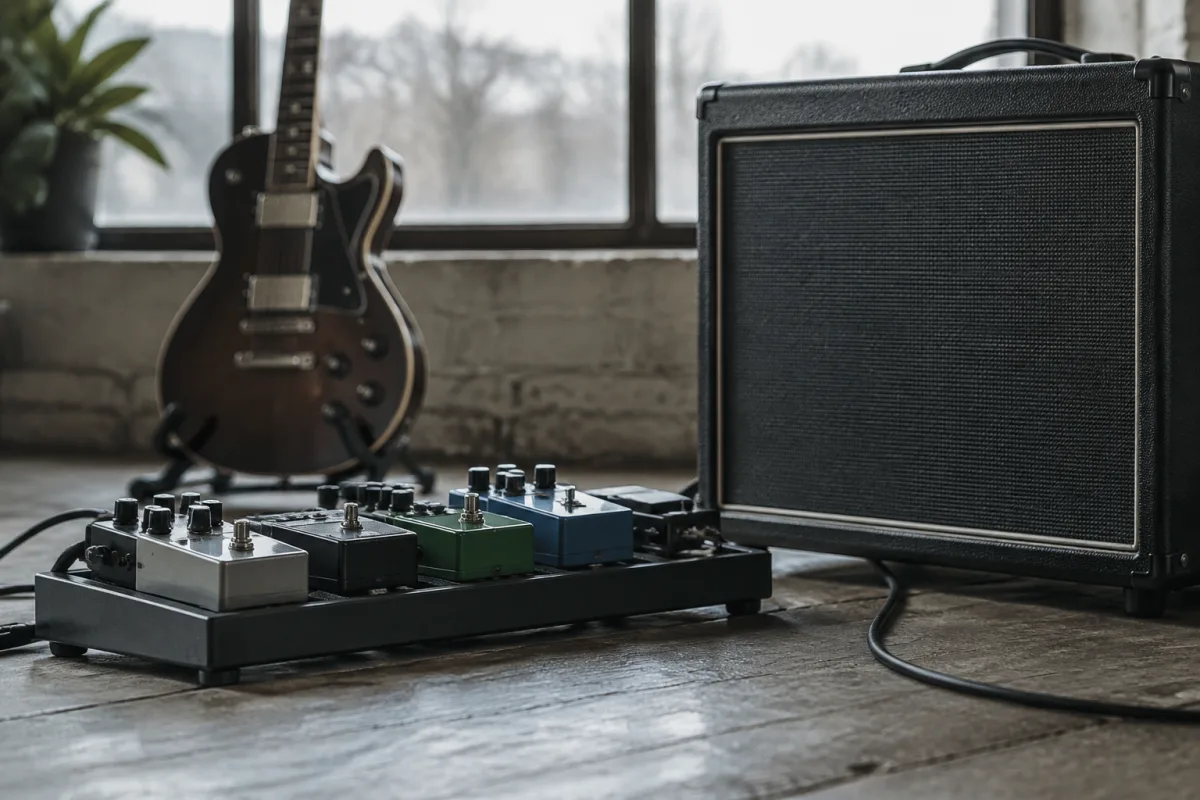
Choosing a guitar pedal amplifier is one of the most satisfying gear decisions you'll make. Whether you're building your first pedalboard rig or upgrading an ageing setup, a quality pedal amp transforms your playing by delivering proper amplification to effects-laden signal chains. But with dozens of options ranging from compact battery-powered units to sophisticated digital processors, knowing what to prioritise ensures you invest in gear that truly serves your needs.
Understanding Pedal Amplifier Categories
Pedal amplifiers come in three broad families, each with distinct purposes. Portable practise units run on batteries and deliver 1-5 watts—ideal for silent practise, writing, or bedroom sessions. Compact stage rigs range from 5-50 watts and bridge home and rehearsal use, driving small venues convincingly. Heavy-duty touring units exceed 50 watts and power large stages and loud band environments.
Your intended use shapes which category makes sense. Don't overbuy power you'll never use. A 100-watt pedal amp is pointless for bedroom practise and a pain to transport. Similarly, don't underbuy if you're serious about live performance—a 10-watt amp struggled at medium venues and forces compromise.
Wattage and Real-World Volume
Wattage directly influences headroom and stage penetration. At 5 watts, you achieve bedroom and small room volume comfortably. Jumping to 20 watts adds noticeable clean headroom—you can push harder before tone breaks down. Fifty watts powers medium venues and outdoor summer performances. Beyond 100 watts, you're addressing larger venues or demanding acoustic band situations.
Consider not just maximum volume but how much headroom the amp provides at your typical playing volume. A 30-watt amp with good headroom sounds better driven hard than a 50-watt amp that breaks up too easily. Headroom—the gap between comfortable playing volume and where the amp distorts—matters more than raw wattage numbers.
Speaker Configuration and Tone
Most guitar pedal amplifiers ship with either a single speaker or multiple drivers. Single-speaker designs are lighter and more portable, sacrificing some low-end tightness and stereo spread. Dual-speaker configurations deliver fuller tone, better stereo effects imaging, and deeper bass response. Triple-speaker designs offer expansive tone but become unwieldy for transport.
Speaker size influences voicing. Ten-inch speakers are standard and versatile. Twelve-inch speakers add depth and low-end punch. Smaller units sometimes use 8-inch or even 5-inch drivers—fine for practise but limiting for serious performance. If your music relies on bass-heavy tones or thick overdrive, larger speakers matter. For clean jazz or minimal distortion, a smaller speaker is adequate.
Digital vs. Analogue Signal Processing
Digital pedal amps offer built-in reverb, delay, and often modulation effects—enormous convenience since you capture complete tones on a single unit. They excel for modern music styles and recording. Many players love the ease of switching presets during gigs.
Analogue designs focus on core amplification and speaker character, leaving effects to your pedalboard. These amps feel more organic to many players and ensure your pedalboard investment remains central to your tone. Analogue designs typically cost less and demand fewer software updates or cables.
The choice depends on your playing style and gear philosophy. If you use extensive effects, digital integration saves pedalboard real estate and complication. If your pedalboard is carefully curated, an analogue amp preserves that sonic identity.
Input Options and Connectivity
Check that your chosen amp accommodates your signal chain. Most quality pedal amps accept both instrument-level inputs (directly from guitar) and line-level inputs (from your pedalboard output). Some include auxiliary inputs for backing tracks or playalong apps—increasingly common for contemporary gigging.
Headphone outputs are invaluable for silent practise, recording, or when volume is restricted. XLR line outputs let you connect to PA systems for larger venues, allowing your tone to reach front-of-house without running through the amp's speaker. USB connectivity is becoming standard for recording directly into computers.
Weight and Portability Considerations
Larger wattage amps are heavier, but modern lightweight designs defy this rule. A 50-watt amp with Class D amplification weighs barely more than a 20-watt traditional design. If you're gigging regularly, weight and size directly impact your quality of life—carrying an amp up three flights of stairs matters.
Compact pedal amps designed for touring use often hide serious power in surprisingly small packages. They're more expensive but worth every penny if you're hauling gear frequently. Home users can tolerate bulkier equipment; live performers should prioritise portability.
Budget-Based Buying Approach
Under £200: Entry-level solid-state amps with basic features. Good for practise and bedroom use. Tone can be harsh on high-gain settings. Suitable for beginners establishing needs before committing significantly.
£200-£500: Mid-range options with better tone, more features, and improved build quality. Standard choice for gigging musicians. Offers excellent value and handles most playing styles convincingly.
£500-£1,000: Quality tube amplifiers or advanced digital systems. Premium build, refined tone, comprehensive features. Worthwhile if you're serious about performance and can justify the investment against your gigging frequency.
Over £1,000: Boutique amps with exceptional craftsmanship, signature tone, or rare tube complements. Invest only if the specific amp's character is essential to your musical identity.
Common Buying Mistakes
Don't buy based purely on manufacturer prestige or player endorsements. A famous artist's signature amp might not suit your musical style or budget constraints. Test gear against your actual playing situation, not showroom conditions.
Avoid overestimating needed features. Built-in effects, USB recording, and fancy switching are nice but shouldn't drive purchase decisions if basic amplification meets your needs. Unnecessary complexity increases cost and maintenance.
Don't underestimate the importance of trying the amp with your actual pedalboard. Some amps react wonderfully with certain pedals and poorly with others. Compatibility matters—an amp perfect for a minimalist rig might struggle with extensive effects.
Resist the temptation toward constant upgrading. Invest in a quality amp and commit to learning its voice deeply. Frequent amp switching prevents developing genuine tone and wastes money.
Testing Before Purchase
Always try an amp with your guitar and pedalboard if possible. Online reviews are helpful, but your unique combination of gear, playing style, and touch matters. Rent gear if necessary—many retailers offer trial periods that cost less than regrettable purchases.
Test both clean and overdriven tones. Check how the amp responds to volume changes and how it interacts with your gain staging. Listen for unwanted noise, fizz, or murkiness that might indicate quality issues or poor matching with your gear.
Matching Your Amp to Your Music
Blues players favour warm, responsive amps that clean up nicely when you roll back volume. Jazz demands smooth tone with minimal noise. Heavy metal and hard rock require headroom and sophisticated gain staging. Folk and acoustic players need transparent amplification that doesn't colour the guitar's natural voice.
For more detailed information about guitar pedal amplifiers, their features, and how they complement your rig, explore our complete guide to guitar pedal amplifiers, which covers the full spectrum of available options and technologies.
Making Your Decision
Start by identifying your primary use case. Define your budget honestly. Determine the wattage range that suits your venues and practise environment. Then research and test units within that scope. Buy with a return policy that protects you if the amp doesn't gel with your setup. A quality pedal amp becomes part of your musical identity—invest thoughtfully and you'll play it for years.


Comments