


Guitar Modelling Buying guide
Guitar Modelling: A Complete Buyer's Guide
Guitar modelling offers professional-grade tone flexibility. This guide helps you navigate platforms and find a system that matches your workflow.
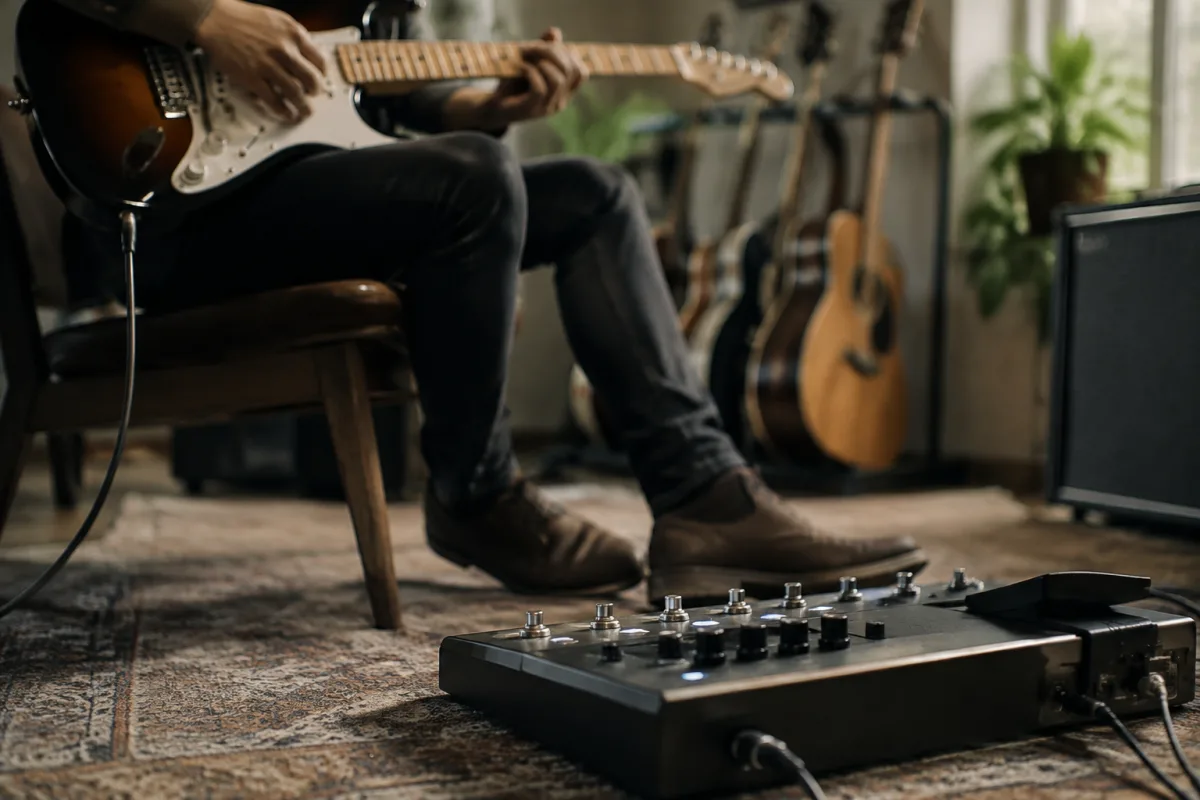
Buying a guitar modelling system means understanding what digital amp and effects simulation offers, which platforms deliver genuine playability, and how to avoid technology that sounds impressive in demos but frustrates in real use. This guide focuses on practical criteria: how guitar modelling works, price tiers, essential features, and matching a system to your workflow. Whether you're a bedroom player or touring guitarist, you'll learn what to prioritise when evaluating guitar modelling technology.
Understanding Guitar Modelling Technology
Guitar modelling uses digital algorithms to recreate the sound and feel of classic guitar amplifiers and effects. Modern guitar modelling is sophisticated enough that professional musicians use it in studios and on stage. A guitar modelling system captures not just the final tone, but the dynamic response—how an amp reacts to different picking intensities, frequencies, and playing techniques. Quality guitar modelling sounds organic rather than obviously digital, seamlessly integrating into mixes and live performances.
Platform Options for Guitar Modelling
Guitar modelling is available through several approaches. Dedicated guitar modelling pedals (such as Line 6 Helix) offer self-contained systems combining amp, effects, and interface. Software guitar modelling running on computers provides unlimited processing power but requires laptop setup. Guitar modelling interfaces (such as Kemper) capture specific physical amplifiers for photorealistic tone reproduction. Hybrid approaches combine hardware and software. Each has trade-offs: dedicated pedals offer portability; software offers flexibility; interfaces offer authenticity. Understanding these distinctions prevents buying technology that doesn't fit your use case.
Price Tiers and Market Positioning
Budget guitar modelling systems cost GBP 100–300, offering basic amp and effects simulation adequate for bedroom practice. Mid-range dedicated guitar modelling platforms (GBP 300–800) deliver professional tone and interface responsiveness, suitable for serious hobbyists and gigging musicians. Premium guitar modelling systems (GBP 800+) offer advanced features, boutique amp modeling, and professional-grade build quality. For working musicians, investment in mid-range guitar modelling pays dividends through reduced equipment bulk and increased flexibility. For beginners, budget options suffice to explore the technology before committing.
Essential Features in Guitar Modelling Systems
Evaluate guitar modelling on three criteria. First, amp and effects quality—how close does the guitar modelling sound to real hardware? Listen critically to drive tone, clean tone, and effect integration. Second, interface responsiveness—does the guitar modelling system feel like playing guitar, or do controls feel laggy and unresponsive? Third, connectivity—can your guitar modelling integrate with your existing pedalboard, interface, and software ecosystem? A guitar modelling system with perfect tone but incompatible connections frustrates regular use.
Amp Modelling vs. Cabinet Modelling
Quality guitar modelling includes both amp and cabinet modelling. Amp modelling reproduces amplifier character (gain structure, EQ, tone). Cabinet modelling simulates the speaker and microphone placement that colours real amp tone. A guitar modelling system strong in amp modelling but weak in cabinets will sound unbalanced. Verify that your candidate guitar modelling platform excels in both domains. Professional guitar modelling systems emphasise cabinet modeling as much as amp modeling, recognising that real-world tone depends on both equally.
Latency Considerations in Guitar Modelling
Latency—delay between playing and hearing sound—can make guitar modelling feel unresponsive. Professional systems minimise this to imperceptible levels (under 5ms). Budget guitar modelling or poorly configured systems might introduce 20ms+ latency, which feels laggy and discourages playing. Before buying, test latency in person if possible. Many musicians reject guitar modelling after bad latency experiences; investing in systems with proven low-latency performance prevents this frustration.
Comparing Dedicated Platforms
The Helix (Line 6) offers comprehensive guitar modelling in a pedalboard-sized form, with dual footswitches and extensive connectivity. Kemper Profiler specializes in guitar modelling through "profiling"—scanning real amplifiers to capture their exact tone and response. Boss GT-1000 balances guitar modelling with superior effects algorithm processing. Neural DSP plugins offer computer-based guitar modelling with photorealistic amp simulation. Each excels in different areas; matching your priorities (portability, tone authenticity, flexibility) to the right platform prevents buyer's remorse.
Recording and Live Performance Considerations
In recording, guitar modelling eliminates amp noise, isolation booth requirements, and microphone placement decisions—streamlining workflows significantly. On stage, guitar modelling offers consistent tone across venues, eliminates equipment bulk, and simplifies setup. However, some players miss the tactile feedback of real amplifiers. Conversely, guitar modelling frees you from venue limitations and amp breakdowns. Professional musicians increasingly adopt guitar modelling for these practical advantages, though personal preference varies.
Integration With Your Current Setup
Before buying, consider how guitar modelling integrates with your existing equipment. Do you need USB audio interface capabilities? Will you use guitar modelling alongside physical pedals or entirely replace them? Does your guitar modelling choice work with your DAW or stage software? Incompatibility creates workflow friction; compatibility streamlines everything. Spend time mapping integration before purchase rather than discovering conflicts later.
Learning Curve and User Interface
Guitar modelling systems range from straightforward (simple amp and effects selection) to complex (dozens of parameters per effect). Beginners benefit from approachable interfaces; professionals exploit depth. Match your learning patience to the system's complexity. A guitar modelling platform with every possible parameter is useless if you'll never learn to navigate menus on stage. Conversely, over-simplified guitar modelling might frustrate users wanting tonal control.
Making Your Purchase Decision
List your non-negotiables: budget, primary use case (bedroom, gigging, recording), required connectivity, and interface preferences. Test candidate guitar modelling systems extensively, if possible borrowing for 48 hours before committing. Research user experiences in gigging contexts specifically—professionals are honest about reliability and usability. Trust your ears and hands over marketing claims; the guitar modelling system you enjoy playing inspires far more than specs suggest.


Comments