
Guitar Marshall article
The Complete Guide to Guitar Marshall
Marshall amplifiers define rock guitar tone with legendary warmth and drive. Discover tube, hybrid and modern models that have shaped guitar music for decades.
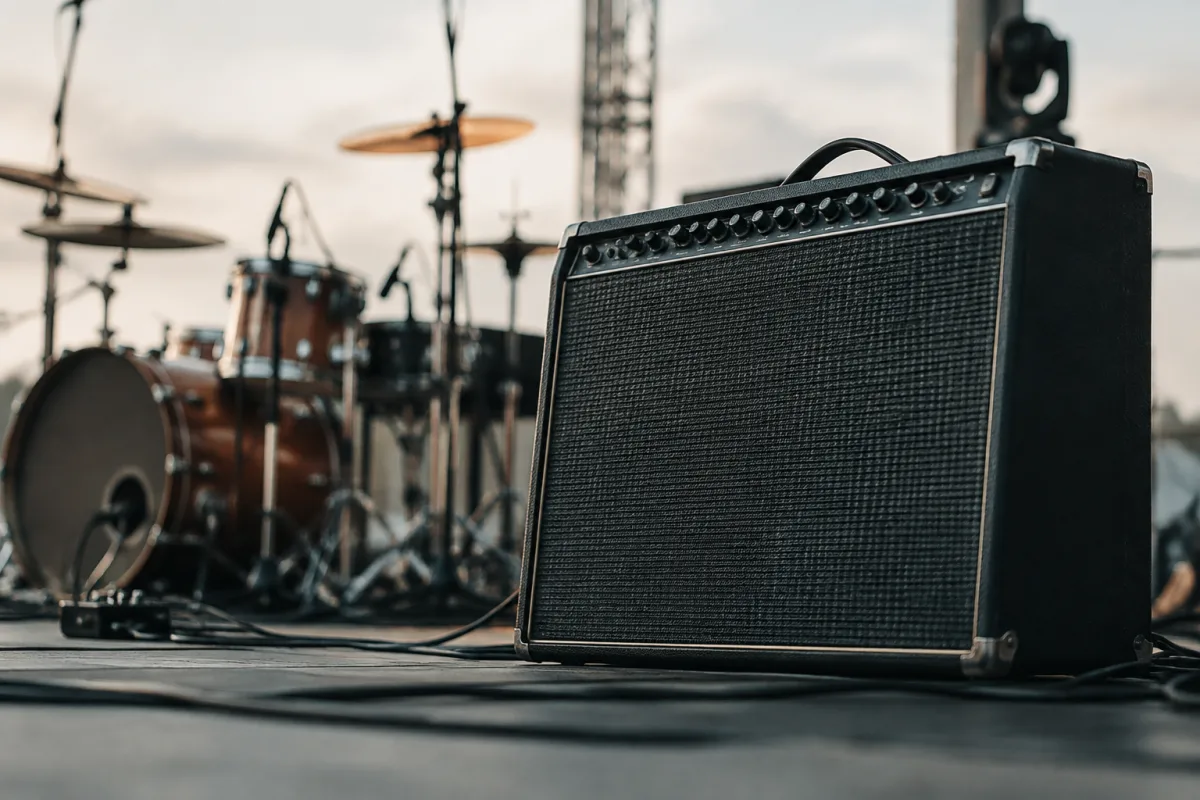
Marshall Amplifiers for Guitar: The Iconic Sound
Since the 1960s, Marshall amplifiers have defined the sound of rock, heavy metal, and blues guitar. The distinctive tone—punchy mids, natural overdrive, and responsive dynamics—has made these amps the choice of legendary players from Jimmy Page to Eddie Van Halen. This guide explores what makes Marshall amps special, the key models available, and how to select one for your needs.
The Marshall Legacy
Jim Marshall founded the company in 1962, initially making amplifiers for the UK market. His designs caught on with rock pioneers, who appreciated the warm, driven sound compared to the cleaner American alternatives. By the late 1960s, Marshall amplifiers were synonymous with rock credibility—a status that persists today.
The brand's reputation rests on real engineering and authentic heritage. Marshall amplifiers use proven valve (tube) designs in flagship models, lending tonal character that solid-state and digital designs often struggle to replicate authentically.
Valve vs Solid-State Marshall Models
Valve (tube) amplifiers: These use vacuum tubes in the power stage and preamp, producing natural breakup and harmonic richness when driven hard. Iconic models like the JCM800 and JCM900 are all-tube designs. They require regular maintenance (tube replacement every 2–5 years) and run hot, but tone is exceptional.
Solid-state and hybrid models: Modern Marshall amps often use solid-state power sections with tube preamps, or digital modelling entirely. The MG series (solid-state) and DSL series (hybrid) offer affordability and practicality whilst attempting to capture Marshall character.
For authentic Marshall tone, valve amps are preferred, but solid-state models are practical for rehearsal, recording, and touring where cost and portability matter more.
Iconic Marshall Amplifier Models
JCM800 (1981–2001): The legendary all-tube model used by countless rock and metal bands. Two channels (Normal and High Treble), minimal controls, maximum attitude. A vintage JCM800 commands high prices and is considered the gold standard.
JCM900 (1989–present): An evolution of the 800, adding more channels and switching options. Still all-tube, still iconic. Available in 50W and 100W versions.
DSL (Dual Super Lead): A hybrid design combining tube preamp with solid-state power, introduced in 1998. Offers versatility with more controls and effects loops. Good for players wanting Marshall tone without full-tube maintenance demands.
MG Series: Solid-state combo amplifiers and heads, affordable entry point to the Marshall brand. Useful for gigging on budgets and rehearsal spaces. Less prized for tone but practical and reliable.
Valvestate and AVT series: Earlier hybrids with mixed reputations. Some players appreciate them; others find them less characterful than full-tube or modern DSL models.
Understanding Wattage and Headroom
Marshall amps range from 20W models (suitable for bedroom and rehearsal) to 100W+ (for large venues and touring). Wattage does not directly correlate to playability volume; a 50W tube amp sounds louder than a 50W solid-state amp.
A common misunderstanding is that tube amps must be run at high volumes to sound good. Modern designs (especially DSL models) break up nicely at moderate volumes, making them practical for small venues and studios.
For home practice, 20W is adequate. For gigging, 50W is standard. 100W offers headroom for large venues or studio recording where clean headroom matters.
Tone Shaping and Controls
Classic Marshall amps (JCM800) have minimal controls: Volume, Bass, Middle, Treble, and channel switching. This simplicity forces the player to rely on guitar tone and playing dynamics—a strength for purists.
Modern models (DSL) include more controls: multiple channels, effects loops, footswitch options, and EQ flexibility. This allows tailoring tone to specific genres and recording needs.
The three-band EQ on Marshall amps is voiced distinctly: presence in the upper midrange, aggressive bass response. This character suits rock and metal perfectly; softer genres (jazz, folk) sometimes find it too coloured.
Connectivity and Modern Features
Vintage Marshall amps have simple connectors: speaker jack, power inlet, footswitch. Modern models add XLR line-out for direct recording, USB for computer interfacing, and multi-effects integration.
Some new models (DSL series, CODE series) include digital effects, reverb, and tone-shaping options. These appeal to players wanting a complete system; purists often prefer the simplicity of all-valve designs.
Maintenance and Longevity
Tube amps require professional service every few years. Tubes wear out and need replacement (typically £20–£50 per tube). Bias adjustment, transformer checks, and cleaning are part of ownership.
Solid-state amps are maintenance-free under normal conditions. Valve preamp tubes in hybrid models last longer than power tubes—typically 5–10 years.
A well-maintained Marshall amp can last decades and actually appreciate in value if it's a vintage or collectible model. This longevity makes them good long-term investments.
Budget Considerations
Entry-level Marshall amps (MG series combos) start around £300–£500. Mid-range hybrids (DSL) run £800–£1500. Professional all-tube heads (JCM800 or 900) cost £1500–£3000 new, with vintage models commanding premium prices.
For beginners and casual players, a 20W MG combo is affordable and practical. For serious gigging, a 50W DSL or better-quality tube amp is worthwhile. Vintage JCM800 models are considered investments that hold or appreciate in value.
Typical Applications
Rock and metal: Marshall amps are the default choice. The natural breakup and aggressive midrange suit these genres perfectly.
Blues: Vintage or JCM amps are popular. The harmonic richness and responsive dynamics suit blues phrasing.
Recording: Both valve and hybrid Marshalls are used in studios, often paired with microphones for capturing amp tone directly.
Touring and live: Road-tested DSL or MG series models are common because they are reliable and portable.
FAQs on Marshall Guitar Amplifiers
- Q: Do I need a tube Marshall amp or is solid-state OK?
A: Solid-state Marshall amps are practical and reliable. For authentic tone and character, tube designs are preferred—but the difference is subtle at moderate volumes. - Q: How loud is a 50W Marshall amplifier?
A: A 50W tube amp is loud—suitable for small venues without microphone amplification. For home use, a 20W model is more practical. - Q: Can I get Marshall tone at low volumes?
A: Yes, especially with DSL and modern hybrid designs. They break up nicely at moderate volumes. Vintage JCM models require higher volumes to saturate the power tubes. - Q: How often do Marshall tubes need replacing?
A: Power tubes typically last 2–5 years of regular use. Preamp tubes last much longer (5–10 years). Replacement costs £50–£200 depending on tube types. - Q: Are vintage Marshall amps better than new ones?
A: Vintage JCM800 models are highly regarded by professionals. New DSL and CODE models offer practicality and features. Both are good; choice depends on your priorities. - Q: Can I use a Marshall amp for bass guitar?
A: Marshall makes bass amplifiers with different designs optimised for bass frequencies. Standard guitar amps can technically work but are not ideal for bass.


Comments