
Guitar Amp for Microphone article
The Complete Guide to Guitar Amp For Microphone
Learn to use a guitar amp for microphone effectively — master impedance considerations, gain structure, and unlock distinctive sonic character for stage and studio.
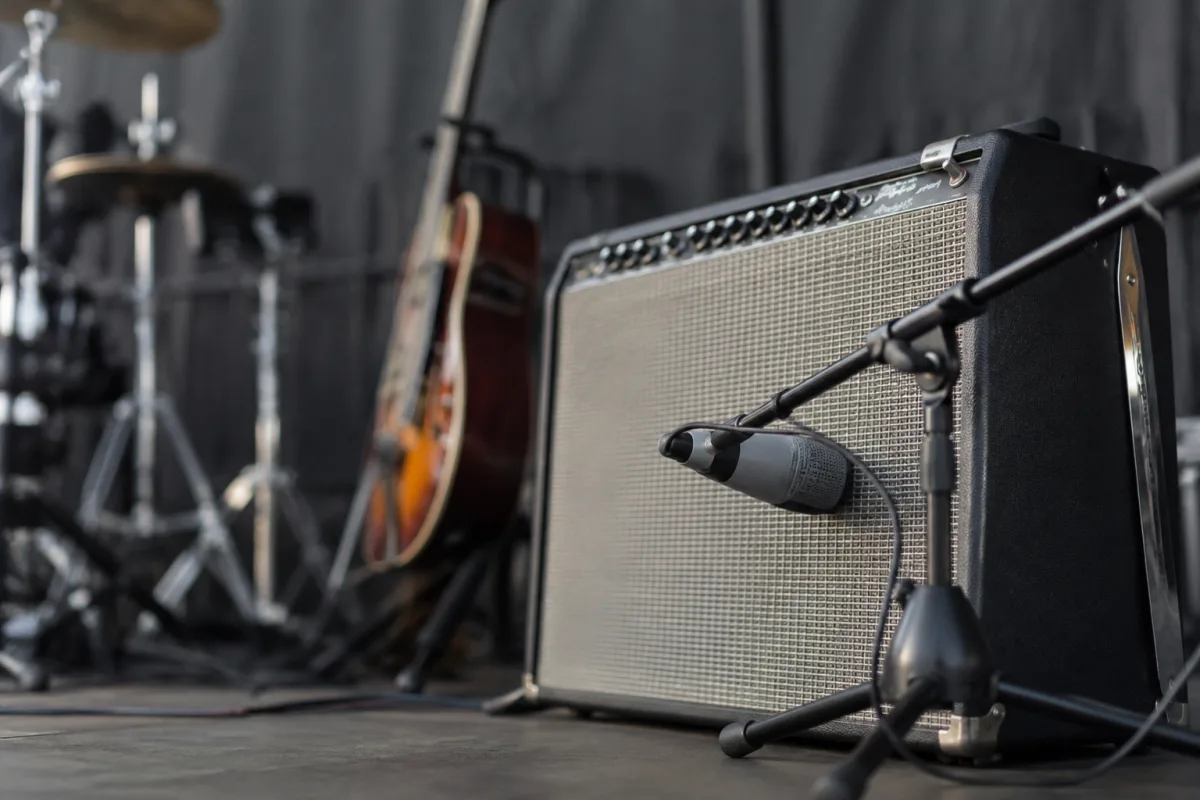
Using a guitar amp for microphone amplification represents an unconventional but surprisingly effective approach for certain vocal and instrument applications. Whilst dedicated microphone amplifiers exist, many performers and engineers discover that a quality guitar amp for microphone use delivers excellent results when properly understood and implemented. This technique opens creative possibilities for stage sound, recording, and live reinforcement that challenge traditional audio conventions.
Understanding Microphone Amplification
A microphone's output signal — typically just a few millivolts — requires amplification before it can meaningfully drive speakers or recording systems. Conventional microphone preamplifiers provide specialised circuitry designed specifically for boosting low-level microphone signals. A guitar amp for microphone use represents an alternative approach to this amplification problem, albeit one requiring careful understanding and setup.
The fundamental concept of using a guitar amp for microphone amplification works because guitar amplifiers inherently amplify weak electrical signals effectively. However, the impedance matching, frequency response, and gain structure of a guitar amp for microphone use differ significantly from dedicated microphone equipment, requiring adaptation.
Impedance Matching Considerations
Microphones typically produce signals with low impedance (50-600 ohms depending on type). Guitar amplifiers expect high-impedance input from electric guitars (typically 5000+ ohms). This impedance mismatch when using a guitar amp for microphone represents the primary technical challenge. Without proper impedance conversion, a microphone signal input directly into a guitar amp for microphone use produces weak, thin output.
Solving this impedance issue requires an impedance-matching transformer. A low-impedance microphone connected through a proper matching transformer to a guitar amp for microphone use can deliver satisfying amplification. Professional audio supply shops stock these specialised transformers, designed specifically for this application.
Gain Structure and Input Level
Guitar amplifiers produce significantly more gain than microphone preamplifiers. Using a guitar amp for microphone requires careful gain staging to avoid excessive amplification and distortion. The input gain control on your guitar amp for microphone applications must be set precisely — typically quite low, often at quarter or less of full rotation.
The volume output of a properly set-up guitar amp for microphone use responds well to typical vocal microphone input levels. Paradoxically, this high gain capacity makes a guitar amp for microphone an excellent platform for recording quiet vocals or instruments where a standard microphone preamp might struggle to provide adequate output.
Frequency Response Characteristics
Guitar amplifiers emphasise mid-range frequencies — a characteristic that serves electric guitar tone excellently. However, this frequency response colouration becomes a complication when using a guitar amp for microphone. The emphasis on mid-range frequencies can make vocals sound boxy or harsh if not managed carefully.
A quality guitar amp for microphone applications featuring comprehensive tone controls allows substantial compensation. Reducing presence peaks, increasing low-frequency extension, and adjusting treble carefully can transform the tonal character significantly. Some performers and engineers deliberately exploit the guitar amp for microphone colouration as a creative choice.
Creative Applications and Sonic Character
Professional engineers sometimes choose to use a guitar amp for microphone intentionally — not as a technical compromise but as a creative decision. The distinctive character of a guitar amp for microphone can suit rock vocals, adding harmonic richness and presence that complements aggressive vocal styles. Blues harmonica through a guitar amp for microphone creates legendary tones heard across generations of recordings.
Historical recordings feature guitars, harmonicas, and occasionally vocals amplified through guitar amps because microphone-specific amplification was unavailable. Contemporary engineers sometimes recreate these tones deliberately by using a guitar amp for microphone, pursuing sonic character unavailable through conventional approaches.
Cable and Connector Considerations
Microphone cables (XLR connectors) don't physically connect to guitar amplifiers (quarter-inch input jacks). Using a guitar amp for microphone requires appropriate adapters or custom cables converting between connector types. Beyond physical adaptation, the electrical characteristics of cables matter — using balanced microphone cable into an unbalanced guitar amplifier input can introduce noise.
Quality balanced-to-unbalanced adapters specifically designed for professional use significantly improve results when using a guitar amp for microphone. Avoid cheap, generic adapters that may introduce hum or reduced signal quality.
Monitoring and Stage Use
On stage, a guitar amp for microphone application typically works well for monitoring — allowing a performer to hear themselves clearly. The powerful output of a guitar amp for microphone easily covers rehearsal spaces or small venue monitoring needs. Many singers find a guitar amp for microphone feed to a monitor wedge provides excellent personal hearing without requiring dedicated monitor mixing.
Front-of-house reinforcement using a guitar amp for microphone proves less practical because the tonal colouration becomes problematic in a mix. However, for solo performers or small ensembles, a guitar amp for microphone handling both direct amplification and monitoring provides elegant simplicity.
Maintaining Quality With Guitar Amp Microphone Setup
Several practices improve results when using a guitar amp for microphone. Keep cable runs as short as possible to minimise noise pickup. Shield the microphone from electronic interference — position it away from switching power supplies and computer monitors. Use high-quality impedance-matching transformers designed explicitly for this application.
Testing your specific guitar amp for microphone configuration thoroughly before performance or recording proves essential. Different microphones, cables, and transformers interact unpredictably. What produces excellent results with one setup may sound dreadful with another configuration.
Conclusion
Using a guitar amp for microphone amplification represents a technique with surprising practical applications and creative possibilities. Whilst unconventional, a properly implemented guitar amp for microphone setup delivers usable, sometimes spectacular results. Whether pursuing authentic vintage tones or simply solving a practical amplification challenge creatively, understanding how to use a guitar amp for microphone opens possibilities that traditional microphone preamplifiers cannot match. The technique demands proper impedance matching and careful gain staging, but rewards those efforts with distinctive sonic character and reliable amplification.



Comments