


Guitar Amp Effects article
The Complete Guide to Guitar Amp Effects
Understand guitar amp effects and how they transform your tone. From reverb and delay to compression and drive, discover essential techniques for professional-quality sound.
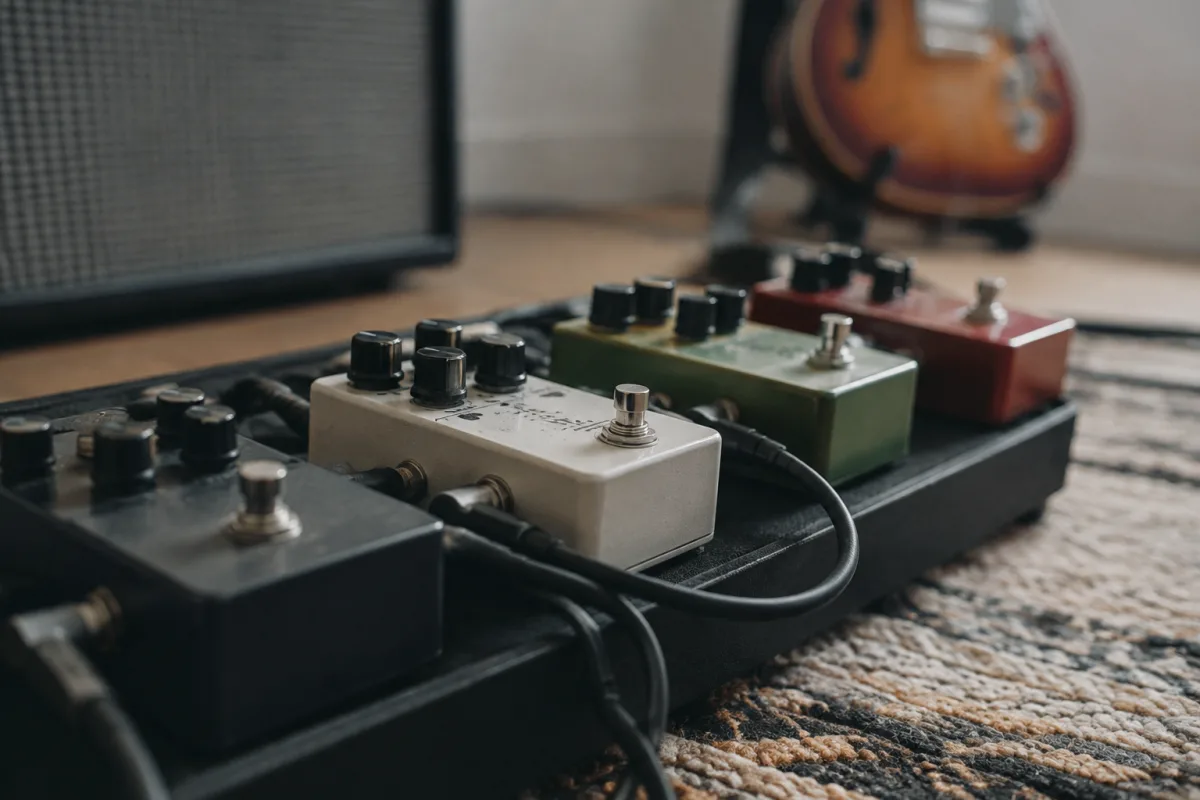
Guitar amp effects transform the character of your instrument's signal, adding depth, dimension and personality to your playing. Whether you're seeking subtle enhancement or dramatic transformation, understanding the core effects that sit between your guitar and amplifier is essential for developing your own voice.
Essential Guitar Amp Effects Every Player Should Know
The most fundamental guitar amp effects are often misunderstood. The standard effects loop on most modern amplifiers is designed to accommodate guitar amp effects that sit between the preamp and power amp stages. This positioning allows for cleaner, more professional processing than simply adding pedals before the amp input.
Classic guitar amp effects categories include dynamic processors, time-based effects, and modulation units. Each category serves a distinct purpose in shaping your tone, and understanding how they interact is crucial.
Time-Based Guitar Amp Effects: Delay and Reverb
Delay and reverb represent the most common guitar amp effects found in professional equipment. Reverb simulates the natural reflections of sound in physical spaces, creating the acoustic character of a room, stadium or hall. Guitar amp effects using reverb come in several varieties: spring reverb (common in vintage amplifiers), plate reverb (thick and lush), and digital algorithms (precise and varied).
Delay repeats your signal at intervals, building texture and depth. Many professionals use subtle delay as a primary guitar amp effects choice, setting it just short of distracting. Tempo-synced delay, where the repeat time matches the song's beat, has become standard on modern guitar amp effects implementations.
- Spring reverb delivers the warm, classic character heard in countless recordings
- Plate reverb adds density without muddiness, ideal for leads
- Digital reverb algorithms provide precise control and variety
- Slapback echo (short, distinct repeats) works well for rockabilly and surf styles
- Long delays create ambient textures and experimental soundscapes
Modulation Effects: Chorus, Flanger and Phaser
Modulation effects like chorus remain among the most popular guitar amp effects. These processors create the illusion of multiple instruments playing by subtly varying pitch and timing. Chorus is gentle and lush; flanger is more aggressive and vocal-like; phaser sits somewhere between them, sweeping through frequencies with a distinctive whooshing character.
Triode and solid-state amplifiers handle modulation differently. The amp's natural breakup and compression interact with guitar amp effects in complex ways, making the same effect sound different through different gear. This is why professionals spend considerable time dialling in their effects through their specific equipment.
Dynamic Guitar Amp Effects: Compression and Noise Gates
Compression ranks among the most powerful yet misunderstood guitar amp effects. It evens out the dynamic range of your playing, making quiet notes louder and loud notes quieter. This creates sustain, punch and consistency. Different compression types (optical, FET, VCA) have distinct characters that seasoned players exploit.
Noise gates (often called noise suppressors when used as guitar amp effects) eliminate low-level hum and buzz without affecting your intended signal. In high-gain settings, a noise gate becomes essential, controlling feedback and unwanted noise during silent passages.
| Effect Type | Primary Use | Character | Placement |
|---|---|---|---|
| Compression | Sustain, punch, evenness | Tight and controlled | Early in the chain |
| Distortion | Gain staging, character shaping | Aggressive or smooth | Before reverb/delay |
| Reverb | Space, ambience, depth | Naturally wet | Effects loop or amp output |
| Delay | Texture, rhythm, space | Repeating, synced or free | Effects loop or amp output |
Drive and Overdrive: The Most Versatile Guitar Amp Effects
Drive and overdrive effects deserve special attention, as they're arguably the most versatile and frequently used guitar amp effects. These create gain staging flexibility, allowing you to hit your preamp harder without resorting to cranked volume or extreme amp settings. Many professionals use multiple overdrive pedals stacked together, with each layer providing subtle tone shaping.
The subtle push from a light overdrive can enhance a clean tone without obvious distortion, whilst a heavier drive creates thick, saturated crunch. Stacking two guitar amp effects—say, a light overdrive followed by a mid-range drive—provides complexity and responsiveness that a single circuit cannot match.
Advanced Guitar Amp Effects: Equalization and Tone Shaping
Professional-grade guitar amp effects increasingly include parametric EQ capabilities. These allow precise surgical tone shaping, cutting problem frequencies or boosting desirable ones. A gentle presence peak can add definition; a low-mid scoop reduces boxy character. Many high-end guitar amp effects loops now offer graphic or parametric equalization as standard.
Tone controls on the amplifier itself represent the most underutilised guitar amp effects available. Subtle adjustments to bass, middle and treble can dramatically change how drive pedals respond and how your overall tone integrates with your band's mix.
Building Your Guitar Amp Effects Chain
The order of guitar amp effects matters enormously. The classic order places dirt pedals (overdrive, distortion) early, followed by modulation (chorus, phaser), then time-based effects (delay, reverb) last. However, modern players often break these rules intentionally, placing reverb before delay or compression after distortion to achieve specific textures.
Your specific amplifier influences how guitar amp effects interact with your tone. A Fender Bassman's clean headroom responds differently to effects than a Marshall Super Lead's aggressive natural gain. Spend time learning how your amp responds before making permanent gear decisions.
Digital vs. Analogue Guitar Amp Effects
Modern guitar amp effects split between analogue and digital implementations. Analogue circuits offer immediate response and character that many players prefer; digital effects provide flexibility, recall and accuracy. Professional rigs increasingly mix both—perhaps an analogue overdrive feeding a digital effects processor with reverb and delay.
The perceived "warmth" of analogue versus the "clarity" of digital represents a false choice—both can sound extraordinary when properly chosen and implemented. Most modern guitar amp effects worthy of professional use employ digital technology, which has matured dramatically since its early days.
Practical Tips for Guitar Amp Effects Mastery
Start simple. One well-dialled guitar amp effects pedal or processor often outperforms a complex rig with many effects left at default settings. Spend weeks getting to know how a single effect responds through your amp before adding more.
Use your guitar amp effects to complement, not replace, your playing technique. Sustain should come primarily from your attack and vibrato, not compression. Space should emerge from phrasing, not excessive reverb. Effects enhance and shape tone; they don't create it.
Listen critically to how professional players use guitar amp effects. Watch rig rundowns, read equipment reviews, and most importantly, listen to recordings of the tones you admire. Notice how much (or how little) effect is often being used. Subtlety and intention define professional tone.
Conclusion: The Art of Effect Selection
Mastering guitar amp effects is a lifelong journey of discovery. The interplay between your instrument, your technique, your amplifier and your effects creates the final tone. Start by understanding what each category of guitar amp effects does, then spend time listening and experimenting through your own rig. The best guitar amp effects are the ones you use intentionally, serving your musical voice rather than replacing it.


Comments