


Bluetooth for Guitar Amp Buying guide
Bluetooth For Guitar Amp: A Complete Buyer's Guide
Bluetooth on a guitar amp is convenient but not all implementations are equal. This buying guide covers what specs matter and which amps have quality Bluetooth connectivity.
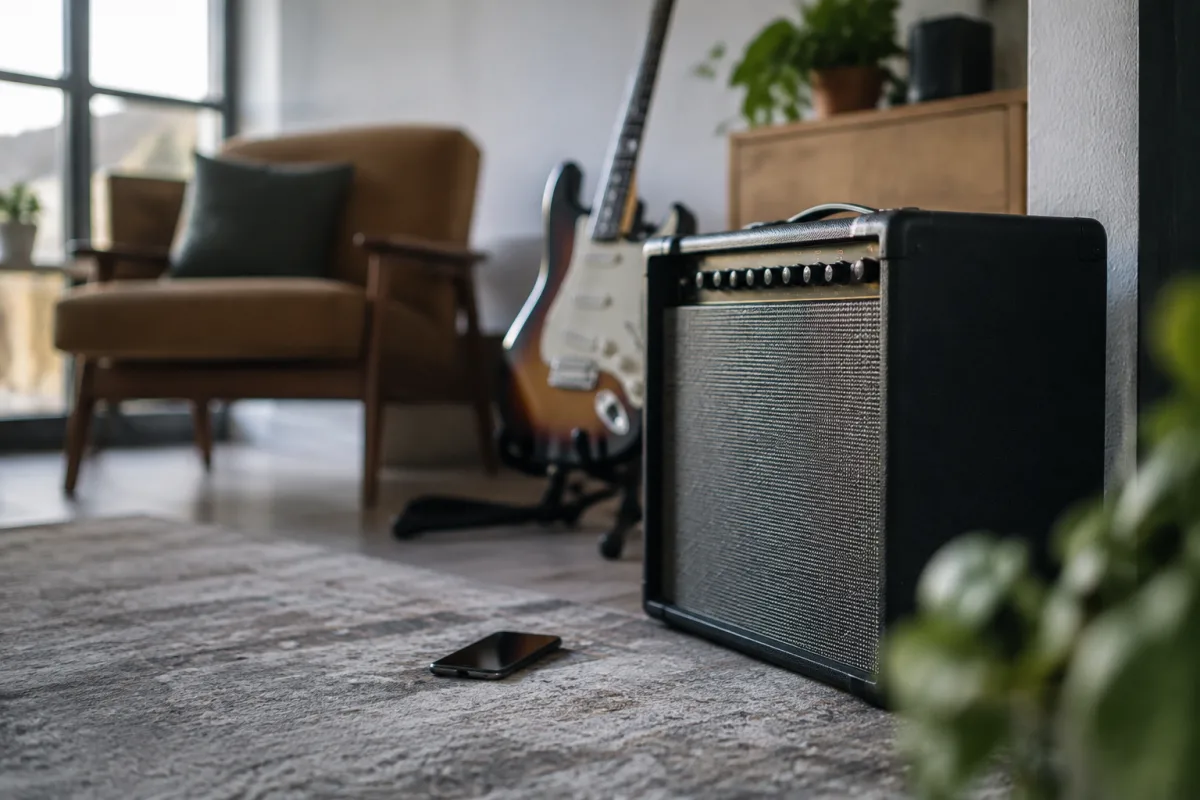
Bluetooth on a guitar amp might sound like a gimmick until you actually use it. Playing along with backing tracks, streaming music for practice, or triggering effects from your phone—suddenly Bluetooth isn't a nice-to-have, it's genuinely useful. But not all amp Bluetooth is created equal. This guide tells you what to look for when buying a guitar amp with Bluetooth, what actually works versus what's frustrating, and which features matter for your playing style.
Why Bluetooth on a Guitar Amp Actually Matters
If you're considering Bluetooth, here's what it really gives you:
- Practice backing tracks: Play along with drum tracks, chord progressions or full band recordings from your phone or laptop without extra cables.
- Streaming music: Practice to songs you're learning, or warm up with your favourite band playing through your amp.
- Recording playback: Hear your recorded takes without disconnecting cables.
- Less cable clutter: One less thing plugged into your amp, which matters if you're already connecting guitar, microphone and effects.
- Phone call interruption: Your amp mutes music if you get a call, then resumes when you hang up. Surprisingly useful in rehearsals.
None of this is essential, but if you practice at home regularly, Bluetooth makes the experience genuinely more convenient.
The Specs to Check When Buying
Don't just tick "has Bluetooth" and move on. Check these details:
- Bluetooth version: Newer is better. Bluetooth 5.0 or higher has better range (30+ metres), faster connection and more stable audio. Avoid anything older than 4.2.
- Latency: Audio delay between your phone and the amp. Most amps have 100–200ms latency, which is fine for backing tracks but noticeable if you're singing along. Check reviews for specific models—some are better than others.
- Codec support: The format your Bluetooth uses. AAC and SBC are standard; aptX and LDAC have better quality. If the amp supports aptX and your phone does too, audio quality will be noticeably better.
- Connection stability: Read user reviews. Some amps lose Bluetooth connection if you move away from the amp or if someone else's Bluetooth interferes. Cheap implementations can be finicky.
- Dual audio: Can the amp play Bluetooth audio and your guitar through the amp simultaneously? Some can; some can't. This matters if you want to play along with backing tracks.
- Input level control: Can you adjust the volume of the Bluetooth audio separately from your guitar volume? This is essential so backing tracks don't overpower your guitar.
Common Mistakes When Buying Amps With Bluetooth
Learn from what others have found disappointing:
- Buying for Bluetooth and forgetting about amp quality: A cheap amp with excellent Bluetooth is still a cheap amp. Bluetooth doesn't fix poor tone or weak speakers. Evaluate the amp itself first; Bluetooth is a bonus.
- Expecting studio-quality audio from Bluetooth: Bluetooth audio is convenient, not audiophile-grade. Expect good-enough sound for practice, not pristine quality. If sound quality matters, use a wired connection.
- Not checking latency reviews: Some amps have noticeable delay when playing Bluetooth audio. If you're singing or timing along, this is maddening. Check YouTube reviews for that specific model before buying.
- Assuming any amp with Bluetooth is compatible with your phone: Modern amps work with Android and iPhone, but older implementations sometimes have quirks. Confirm your phone is supported before buying.
- Not adjusting the Bluetooth input level: Backing tracks often come through too loud or too quiet, drowning out your guitar or making it hard to hear. Don't assume Bluetooth audio will automatically balance with your playing—adjust it.
- Overlooking wired alternatives: Bluetooth is convenient, but a 3.5mm cable from your phone to the amp's aux input is sometimes simpler and has better sound. Some amps don't even have Bluetooth but have a perfectly good aux input. Don't overpay for Bluetooth if a cable works fine for you.
Bluetooth vs. Wired Audio: When to Choose Which
Bluetooth is convenient, but it's not always the right choice:
- Use Bluetooth if: You move around your room, rehearse in different locations, or you're regularly connecting and disconnecting your phone. The convenience is real.
- Use wired (aux/3.5mm): If the amp lives in one place, sound quality matters to you, or you want zero latency. A 3-metre aux cable is simpler and often sounds better than Bluetooth.
Ideally, the amp has both—then you choose based on the situation.
Budget Considerations
Bluetooth adds £20–50 to the amp's price, depending on implementation quality. That money might go to a better speaker or more effects elsewhere. Ask yourself: will you actually use Bluetooth regularly? Or is it just a nice-to-have?
- If you practice with backing tracks daily: Bluetooth is worth the extra cost.
- If you rarely use backing tracks: Save the money and use an aux cable occasionally instead.
- If you use both streaming and guitar a lot: Definitely invest in quality Bluetooth implementation.
Your Buying Checklist
Before you buy an amp with Bluetooth, confirm:
- Will you actually use Bluetooth regularly, or is it just a nice feature?
- Does the amp let you control Bluetooth and guitar volumes separately?
- Is the Bluetooth implementation stable? Check user reviews for that model.
- Is latency acceptable for your use (backing tracks, singing along, etc.)?
- Does the amp sound good first? Bluetooth is secondary to tone.
- Does it have both Bluetooth and an aux input, so you have options?
If you tick those boxes, Bluetooth on your amp will actually enhance your practice routine. If you're unsure, you can always buy an amp without Bluetooth and add a Bluetooth receiver (around £15) to any amp with an aux input later.
Taking the Next Step
Bluetooth is a nice feature, but it shouldn't drive your amp choice. Focus on wattage, speaker quality and effects first; Bluetooth is the decoration. For a comprehensive look at Bluetooth technology on guitar amps, wireless setup options and advanced connectivity features, explore the complete guide to Bluetooth for guitar amps.
When you're choosing an amp, evaluate the core features first, then decide if Bluetooth would genuinely improve your practice routine. If it would, great—make sure it's implemented well. If not, save the money and use the traditional aux input.


Comments