


Fuzz Box Pedal article
Fuzz Box Pedal for Beginners: A Complete Guide
Intimidated by fuzz? Our beginner's guide makes it simple. Understand what a fuzz box pedal does, how to use it, and why beginners should experiment with fuzz.
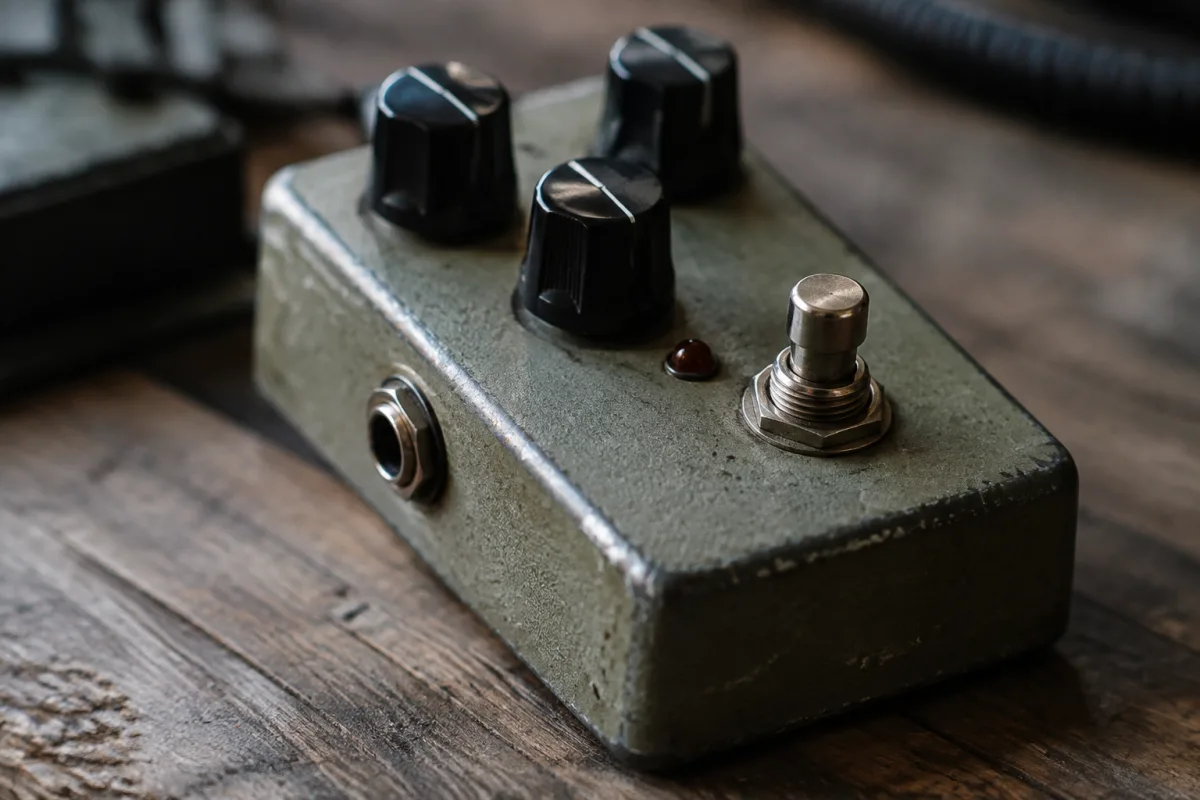
A fuzz box pedal might seem like an exotic addition to your pedalboard, reserved for seasoned musicians chasing retro tones. The reality? Beginners can absolutely explore fuzz, and it's far less intimidating than it looks. This guide demystifies fuzz box pedals for anyone considering their first one. You'll understand what a fuzz box actually does, how to dial in usable tones, common beginner mistakes, and whether fuzz is worth your investment. Spoiler: it probably is, and not just for rock purists.
What a Fuzz Box Pedal Actually Does
A fuzz box pedal is a distortion effect that creates a thick, aggressive, slightly uncontrolled sound by clipping and compressing your guitar signal. Unlike distortion, which is smooth and predictable, fuzz is woolly and organic. It sounds like your amplifier is struggling to contain the volume—in the best way. Historically, fuzz became iconic in the 1960s when guitarists discovered it accidentally. Today, fuzz is used across genres: rock, punk, metal, psychedelic, blues, and even indie. It's not a one-trick effect; it's a character tool.
Why Beginners Should Consider Fuzz
You might think you should master clean tone and standard distortion first. That's sensible advice, but it's not a rule. A fuzz box pedal is actually pedagogically valuable for beginners because it forces you to develop discipline. When you turn on a fuzz pedal, sloppy technique becomes obvious immediately. Unwanted noise, dead notes, and imprecise timing all get amplified (literally). Learning to play cleanly into a fuzz box makes you a better guitarist faster than practicing without it. Plus, fuzz is just fun. Fun accelerates learning.
Essential Controls: The Three Things You Need to Know
Most fuzz box pedals share three core controls:
Fuzz (or Gain/Drive): Controls the intensity of the effect. At lower settings, you get gritty crunch; at maximum, full wall-of-sound saturation. Beginners should experiment across the full range. You'll discover that intermediate fuzz settings often sound better than maxed-out settings.
Level (or Volume): Controls output volume. This compensates for volume lost or gained by the fuzz effect. Set it so your fuzzed tone matches your clean tone's volume, or go louder for solos. This is critical—fuzz can drown out your band or go too quiet.
Tone: Some fuzz boxes have tone controls (or variations called "Tone Stack"). These sculpt the high-end character. More tone = brighter, thinner fuzz; less tone = darker, woollier fuzz. Experiment to find what meshes with your amp and style.
First Riff: How to Sound Great Immediately
Pick a simple riff—even a single note will do. Plug into your fuzz box with moderate fuzz and level settings. Here's the critical part: play cleanly and deliberately. Notice how every note rings out clearly despite the effect. Now play with sloppy timing or muted strings—the fuzz amplifies the mess. This feedback loop teaches you to be precise. Beginners often crank fuzz to maximum and wonder why it sounds like noise. Dial fuzz back to 50-70%, set level to match your clean tone, and play with intention. Instant improvement.
Stacking Fuzz: When to Add Other Pedals
As a beginner, start with fuzz alone. Get comfortable with its character. Once you're confident, you can stack it with other effects. Fuzz into overdrive creates layered saturation. Overdrive into fuzz is smoother. Fuzz into reverb adds spacious texture. But here's the secret: a great fuzz into a good amp sounds complete. Don't assume you need more pedals to sound professional. Restraint often sounds better than maximalism. Master your fuzz box pedal first; add complexity later.
Common Beginner Mistakes With Fuzz
Maxing out fuzz immediately. This is the classic mistake. Maximum fuzz sounds chaotic until you understand the tone. Start at 5-6 on a 10-point scale and increase gradually. You'll discover your sweet spot faster than blasting full fuzz and hating the result.
Ignoring the volume control. Many beginners set fuzz but forget to adjust level. Your fuzzed tone ends up too quiet or too loud relative to your clean tone. Level is as important as fuzz.
Playing sloppily and blaming the pedal. A fuzz box exposes imprecision. If your tone sounds muddy, check your playing technique before tweaking pedal settings. Often, cleaner playing is the fix, not different knobs.
Buying expensive boutique fuzz before understanding fuzz itself. Boutique fuzz pedals sound great, but beginners benefit from budget options first. A £30-50 fuzz box teaches you the fundamentals. Upgrade to £150+ boutique versions once you know exactly what you want.
Budget Fuzz Box Options That Sound Legit
Classic fuzz pedals under £60 include the Boss DS-1 distortion (often compared to fuzz), the Electro-Harmonix Big Muff (the iconic fuzz sound), and various Mooer or Donner mini fuzz boxes. These aren't premium instruments, but they sound genuinely good. You'll find them in professional rigs. If you're nervous about committing, these budget options eliminate the risk. Once you've spent 50 hours with a fuzz box pedal, you'll know if fuzz is for you and what characteristics you want in an upgrade.
Amplifier Matching: Easier Than You Think
Beginners often worry that fuzz requires a specific amplifier type. It doesn't. Fuzz works through solid-state amps, valve amps, and modelling amps. The interaction differs slightly (valve amps compress and bloom slightly differently), but fuzz is universally effective. A practice amp and a fuzz box pedal sound perfectly playable together. Performance amps just add nuance. Don't wait for the "right" amp to explore fuzz.
Dialling In Your Personal Tone
Here's a beginner-friendly process:
Set your guitar volume to maximum. Set your amp's gain to normal practice levels (not cranked). Set fuzz to 50%, level to match your clean tone, and tone to noon (middle position). Play a riff you know well and listen carefully. Increase fuzz by 1-2 points and play again. Notice the change. Continue until you reach a fuzz level that sounds musical to you. Now adjust tone. A touch darker? Brighter? Find your preference. Adjust level if needed. This methodical approach—changing one thing at a time—reveals how each control shapes your tone.
Performance Considerations
Once you're comfortable with fuzz box pedal basics, consider these real-world factors:
Noise gates: Fuzz can generate hum or noise between notes. A noise gate pedal (or built-in feature on some fuzzes) solves this. Most beginners don't need one immediately, but it's worth knowing.
Cable quality: Cheap cables introduce hum and noise, especially with fuzzy tones. A decent cable (£10-20) prevents frustration.
Placement on the board: Fuzz traditionally goes early in the signal chain (close to your guitar). This gives you maximum control over dynamics. Later placement (after overdrive) changes how it interacts with other effects.
Your Fuzz Journey Starts Now
A fuzz box pedal is your ticket to a vast sonic universe. Beginners often dismiss fuzz as impractical, but it's actually an excellent learning tool and endlessly inspiring. Start with a budget option, dial it back from maximum, and play with intention. Within weeks, you'll develop opinions about fuzz character and perhaps crave a boutique upgrade. That's the sign you've truly connected with the effect. For deeper exploration into fuzz effects and other pedals, check out our complete guide to fuzz box pedal.
Quick Checklist for Your First Session
Set fuzz to 50-60%, not maximum. Adjust level to match clean tone volume. Play a familiar riff cleanly and deliberately. Listen for how fuzz reacts to your technique. Adjust tone slightly and repeat. Gradually increase fuzz to find your preference. Resist the urge to max every control immediately. Enjoy the exploration.


Comments