


Fender Pedal article
Fender Pedal for Beginners: A Complete Guide
Fender pedals blend American heritage with beginner-friendly simplicity. This guide covers entry-level models, effect types, and how to build your first effects setup.
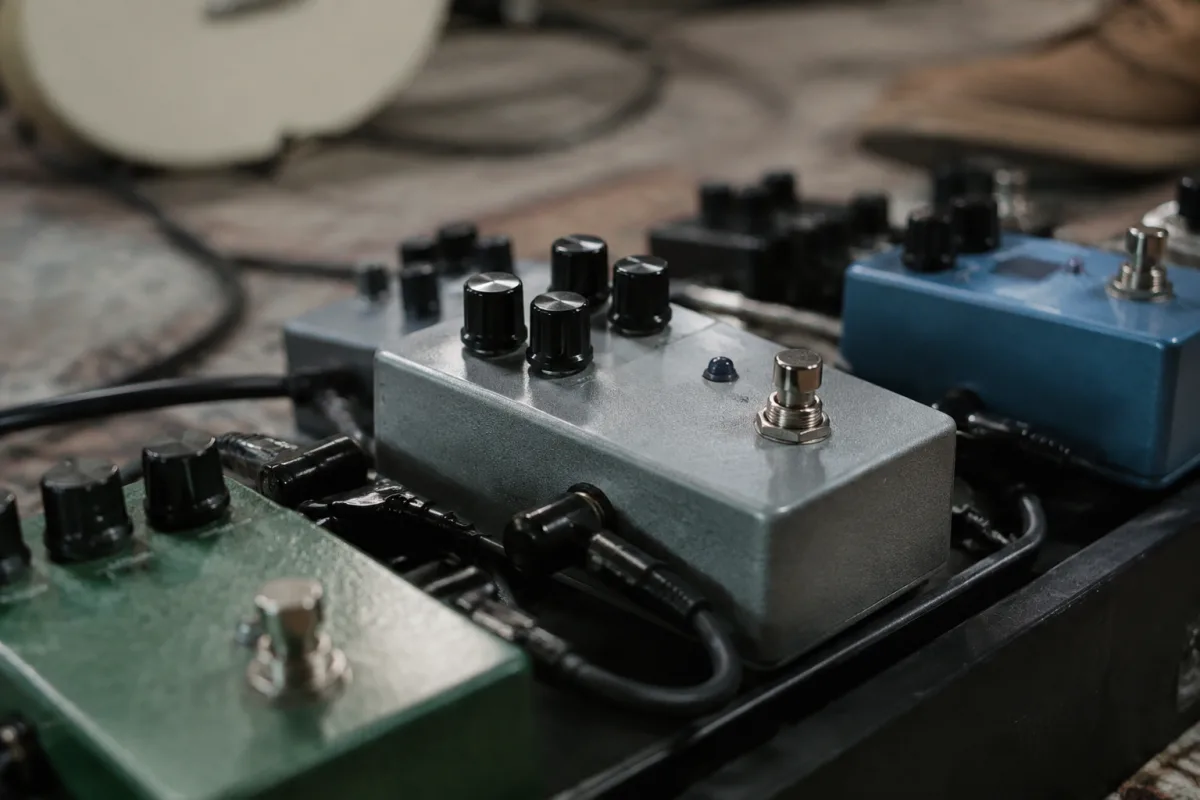
Fender Pedals for Beginners: Building Your First Effects Board
Fender is famous for guitars and amplifiers, but their pedal line—often overlooked—deserves attention from beginners. Fender pedals blend American tonal sensibility with affordability, making them accessible entry points into effects. They're not boutique (you won't find hand-wired Fender pedals), but they're well-made and sonically transparent. This guide covers Fender's beginner-friendly pedal range, helping you choose which effects suit your style and budget.
Why Fender Pedals for a Beginner?
Fender has decades of sonic heritage. A Fender overdrive or reverb carries that brand DNA—it sounds warm, balanced, and natural. Fender pedals also tend to be simpler than boutique alternatives, with fewer knobs and less menu-diving. This simplicity suits beginners who want to learn the effect without fighting controls. A Fender reverb pedal teaches you reverb, not UI design.
The Fender Pedal Lineup
Fender's pedal range includes reverbs, delays, overdrives, fuzzes, and modulation effects. Most cluster around £60–150, making them accessible. The Fender Fender-Tone pedals (a partnership with other builders) sit at a premium tier, but the standard Fender line is budget-conscious. The Fender Tone Master series offers amp modeling (for bedroom or direct-to-PA playing), a more niche use but worth exploring if you skip amplifiers.
Starting with a Single Effect
Before committing to a full pedalboard, begin with one Fender pedal. Most beginners start with either reverb or overdrive. A Fender reverb pedal (like the Fender 6G Deluxe) around £100 teaches you space and tone depth without changing your core sound. A Fender overdrive (like the Fender Pugilist) around £100 fattens your tone without washing out dynamics. Either is a solid educational starting point.
Key Fender Pedal Types
| Effect | Fender Model | Price | Best For |
|---|---|---|---|
| Overdrive | Pugilist, Bends | £80–120 | Blues, rock, tone thickening |
| Reverb | 6G Deluxe, Hall Reverb | £100–150 | Space, ambience, studio feel |
| Delay | Michawellophone | £120–160 | Spacious leads, ambient texture |
| Distortion | Rumour Distortion | £90–130 | Rock, metal, aggressive tone |
| Modulation | Engager Crush Plex | £100–140 | Chorus, shimmer, creative texture |
Understanding Fender Pedal Tone Philosophy
Fender pedals prioritise clarity and musicality over gimmickry. A Fender reverb doesn't drown your playing; it adds space that feels natural. A Fender overdrive thickens tone without obscuring what you're playing. This philosophy suits learning, because you hear the effect but remain in control. Contrast that with some boutique pedals that prioritise "character" or "colour" over transparency—valuable later, overwhelming now.
Building Your First Pedalboard
After mastering one Fender pedal, you might want to combine effects. A classic beginner chain is: tuner → overdrive → modulation → reverb. Using all Fender pedals, this costs around £300–400. Does it sound professional? Yes, if used with intention. The key: start with one effect, master it, then add others carefully. A pedalboard with six unused pedals is worse than one with a single perfectly-understood effect.
Common Fender Pedal Configurations for Beginners
- The Minimalist: Tuner + Overdrive. Clean tone, one dirt option. Covers 80% of beginner needs.
- The Explorer: Tuner + Overdrive + Reverb. Adds space. Clean, driven, and spacious tones.
- The Ambitioner: Tuner + Overdrive + Delay + Reverb. Full expression with space and dirt. More complex but learnable in a month.
Fender Pedals vs Other Brands
Fender pedals compete with Boss, Boss (again), Electro-Harmonix, and boutiques. Boss dominates affordability and reliability; Fender pedals often cost slightly more but sound warmer. Electro-Harmonix offers quirky character; Fender is conservative. Boutique pedals (Keeley, Walrus Audio) are richer-sounding but pricey. For a beginner, Fender is the sweet spot: well-built, affordable, tonal, and not so trendy that you feel fashionable instead of musical.
Power and Cable Basics
A Fender pedal runs on 9V (battery or adapter). For a pedalboard, you'll want a multi-outlet PSU (£30–60) to power multiple pedals without batteries. Cables matter: cheap patch cables (connecting pedals together) add noise. Invest £30–50 in a set of quality patch cables. The difference is audible.
Secondhand Fender Pedals
Used Fender pedals are plentiful and affordable. Check that the footswitch clicks firmly, all knobs rotate smoothly, and the pedal responds (no dead zones). Fender pedals are well-built; secondhand units rarely have issues. Buying used saves 20–30% and teaches you the effect without regret if it's not for you.
Learning the Effect, Not Just the Pedal
The goal isn't to own a Fender pedal—it's to understand the effect itself. When you master a Fender reverb, you can use any reverb. The pedal is the classroom; the effect is the subject. Many beginners obsess over which pedal instead of learning the effect. Don't. Pick a Fender pedal, use it for a month, and move on or deepen. Either way, you've learned reverb (or overdrive, or delay).
Bottom Line
A Fender pedal is a low-risk entry into effects. Start with an overdrive or reverb around £80–120. Plug it in, learn the knobs, and let your ears guide you. After a month, decide if you want more effects or if you're happy with your single pedal. No shame in either choice. If the bug bites, add a second effect. Fender's range has you covered for years of experimentation. For the complete landscape of Fender effects and deeper context on each model, explore the complete Fender pedal guide covering the full history and specifications.
FAQ
Which Fender pedal should I buy first?
A reverb or overdrive. Reverb adds space without changing tone fundamentally. Overdrive thickens your tone. Either teaches you effects thinking. Pick the one that excites you more.
Are Fender pedals as good as Boss or Electro-Harmonix?
Different, not necessarily better or worse. Fender sounds warmer and more "American." Boss is more affordable and reliable. Electro-Harmonix is quirkier. All three are beginner-worthy; choose by tone preference.
Can I use multiple Fender pedals together?
Yes, absolutely. Fender pedals stack beautifully. An overdrive into reverb into delay is classic and works well together.
Do I need a pedalboard for Fender pedals?
Not immediately. One pedal sits fine on the floor next to your amp. A pedalboard (£50–300) becomes useful around three or four pedals.
How much does a basic Fender pedalboard setup cost?
Tuner (£25) + Overdrive (£100) + Reverb (£120) = £245. Add a power supply (£30–50) and cables (£30). Total: around £300–350 for a beginner-friendly rig.
Should I buy new or secondhand Fender pedals?
Secondhand Fender pedals are safe bets. Fender's build quality means used units work as well as new ones. Save money and buy secondhand if you can find them.
What does the "Fender Tone" branding mean?
It's a partnership between Fender and other effect makers (like Dunlop). It signifies Fender-approved tonal character but doesn't guarantee anything—check the individual pedal's reviews.
Can I use a Fender pedal with any amp?
Yes. Fender pedals are designed to work with any amplifier (tube, solid-state, modelling). Plug and play.



Comments