


Evh Guitar Amp Buying guide
Evh Guitar Amp: A Complete Buyer's Guide
An EVH guitar amp represents decades of Eddie Van Halen's touring experience designed into modern amplification. This guide walks you through the 5150 legacy, what makes EVH special, and how to choose the right model.
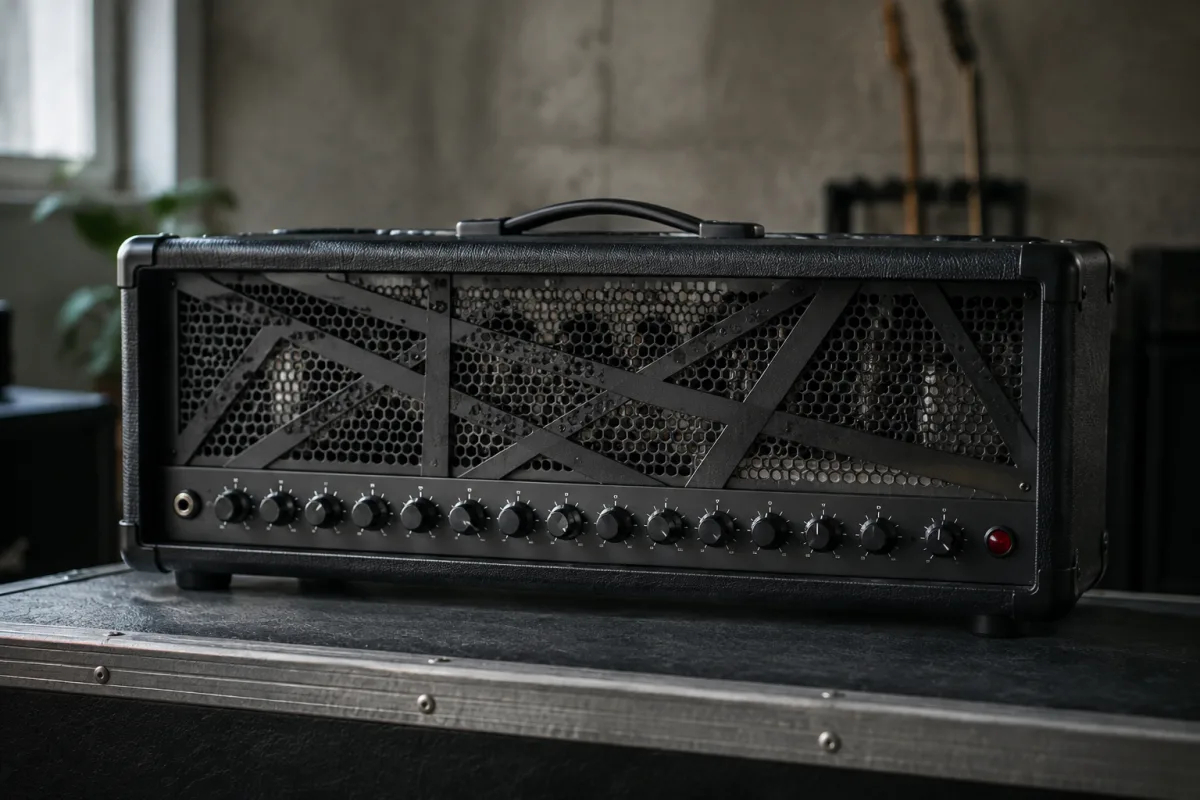
An EVH guitar amp represents Eddie Van Halen's distilled amplification philosophy—designed specifically for the tone and playability that defined modern rock guitar. Whether you're chasing Van Halen's legendary tones or simply seeking a road-tested instrument engineered by one of rock's greatest players, understanding what an EVH guitar amp offers matters. This buying guide walks you through the range, what makes it special, and whether an EVH amp suits your playing.
EVH's Design Philosophy
An EVH guitar amp isn't just branded afterthought—it's the result of Eddie Van Halen's decades of live touring experience. Every circuit decision in an EVH amp reflects what actually works on stage under real conditions. The voicing emphasises presence and cut—your tone needs to slice through a band mix, not disappear into warmth. This is the philosophy behind every EVH guitar amp.
The EVH lineup includes tube models (5150, 5150III) and solid-state options. Tube versions deliver the aggressive breakup Eddie became famous for. An EVH guitar amp in this category gives you genuine high-gain character without compromise. Solid-state models offer simplicity and reliability for players who value practicality over tone mystique.
The 5150 Legacy
The 5150 name carries weight among rock guitarists. An EVH guitar amp bearing this designation has been road-tested by professional touring bands for decades. The 5150 established the template for modern high-gain amplification—aggressive, focused tone designed for solos and rhythms that cut through dense mixes. Any EVH guitar amp using this lineage inherits that proven track record.
Modern 5150III models build on that legacy with expanded features. An updated EVH guitar amp adds more channel switching options and effects flexibility whilst maintaining the core tone that defined the original. This balance between tradition and improvement is what distinguishes EVH from competitors.
Wattage and Setup Options
Models span 20 watts (ideal for studios and practice) to 100+ watts (touring rigs). A 50-watt configuration represents the practical middle ground—enough power for gigging venues, manageable volume for rehearsals with proper mic'ing. Choose wattage based on your actual venues and transport capabilities, not imagined future scenarios.
Combo and head-and-cabinet configurations both exist. Combo designs (1×12 or 2×12) provide portability and all-in-one simplicity. Head-and-cabinet setups offer flexibility—the same head works with different cabinets. Consider what you'll actually transport regularly when deciding.
Tone Character: High-Gain Rock Amplification
An EVH guitar amp prioritises presence and midrange cut. The tone doesn't apologise for aggression—it thrives on it. When you engage the lead channel on an EVH guitar amp, you get saturated, responsive breakup that feels alive rather than digital. The clean channel (on multi-channel models) is bright and articulate, designed for rhythm work that sits in a band context.
This isn't a versatile, jazz-to-metal approach. An EVH guitar amp specialises in high-gain rock and metal tones. If you're seeking extreme versatility across multiple genres, look elsewhere. But if rock, metal, and alternative rock are your domain, an EVH guitar amp delivers exactly what those styles demand.
Price Tiers and Value
Budget models start around £400–600. These solid-state designs offer reliable tone without mystique. Mid-range tube versions (£800–1,500) deliver professional-grade tone at prices below boutique makers. High-end options (£1,500–3,000+) offer expanded features and refinement, but the jump isn't proportional to price increase.
Most gigging musicians find value in the £1,000–1,500 range for an instrument that sounds unmistakably EVH and reliably performs night after night. Premium versions add refinement but primarily benefit collectors and elite touring musicians.
Channel Options and Control Layout
Single-channel EVH guitar amp models keep things simple—you get one voicing. Dual-channel designs (like the 5150III) offer separate clean and lead channels, switching via footswitch or amp-top controls. This flexibility matters if you want different tones for rhythm and solo without using external effects.
Look at the control options on your potential EVH guitar amp. Does it have presence control for tweaking cut and aggression? Master volume? Separate level controls for each channel? These practical features significantly affect your daily usability, so inspect the layout carefully before committing.
Reliability and Touring Pedigree
An EVH guitar amp built for professional touring has proven itself through countless shows. These instruments don't fail at critical moments. That reliability costs more than budget alternatives, but it justifies the investment if you gig regularly. A touring-grade EVH guitar amp is an asset that works night after night.
Maintenance is minimal for solid-state models. Tube versions require occasional tube replacement (standard tubes cost £20–50 each). This is predictable maintenance, not a flaw—it's part of owning professional-grade equipment.
Comparing EVH to Competitors
Versus Mesa/Boogie or other high-gain specialists, an EVH guitar amp positions itself as the focused rock alternative—less versatile but more immediate, more street-credible for classic rock contexts. Versus Marshall or Fender, EVH prioritises aggressive gain over clean versatility. Choose EVH if high-gain rock is your core identity.
Making Your Final Decision
Determine whether this brand actually suits your tonal goals or whether another maker aligns better with your needs. If high-gain rock is your passion and you respect Eddie's design legacy, this option deserves serious consideration. Budget £1,000–1,500 for a model that delivers professional tone. Play before you commit—bring your guitar and spend time dialling in the sound. Choose carefully and it will serve you reliably through countless sessions and gigs.



Comments