


Evh Amp Buying guide
Evh Amp: A Complete Buyer's Guide
Choosing the right EVH amp means understanding power rating, topology, and your playing environment. This guide helps you find the perfect fit without overpaying.
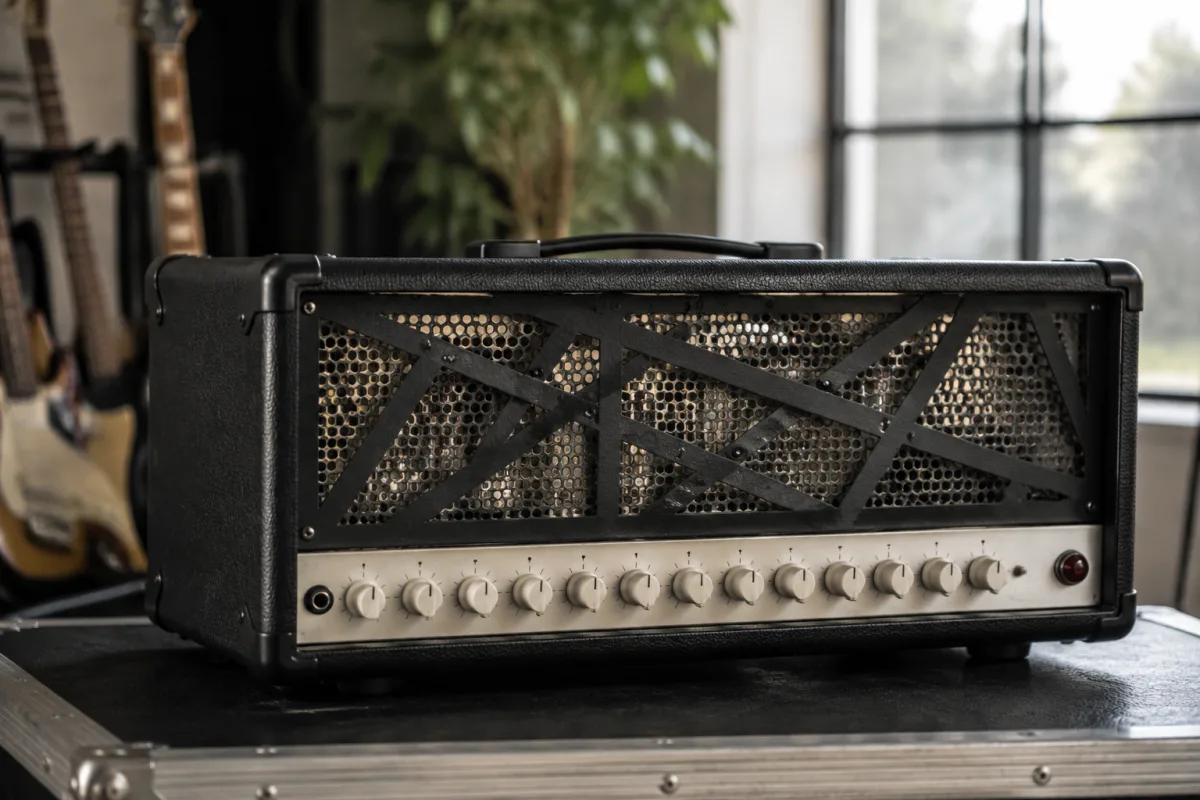
Buying an EVH amplifier means investing in a brand steeped in high-gain rock innovation and premium construction. But the EVH amp range spans several models, price points, and use cases — from gigging workhorse combos to home-practice solid-state options. This buying guide focuses on what matters when choosing an EVH amp: power rating, topology, features, and your playing environment. Understanding the differences between EVH amp models helps you find the right fit without overpaying for specs you don’t need or settling for tone and reliability you’ll regret.
EVH Amp Model Overview and Price Tiers
The lineup splits into several distinct categories, each designed for different players and contexts. Understanding where each model sits in the range helps narrow choices quickly.
- 5150 III head and combo series — The flagship high-gain option. Tube-driven, legendary tone, premium build. £2,500–£5,000 depending on wattage and configuration. The reference standard for modern heavy rock.
- 5150 III EL84 (lower-wattage variant) — 20 watts of single-channel pure 5150 tone. Ideal for bedroom players or studios. £1,200–£1,800. Packs authentic gain without full volume.
- Phasor amp (older models) — Discontinued but circulate used; excellent value if condition is sound. Variable pricing; research specific models on reverb markets.
- Solid-state/practice models — Budget options; less common new but worth considering for beginners. Generally under £500 used.
Power Rating: Choosing the Right Wattage
Power rating dramatically affects portability, gigging flexibility, and volume headroom. Choose wisely.
| Wattage | Typical Use | Volume Level | Considerations |
|---|---|---|---|
| 5–20W | Bedroom, home studio | Apartment-friendly | Full tone at low volume; ideal for recording or quiet play |
| 50W | Small club gigging, rehearsal | Moderate to loud | Sweet spot for touring musicians; loud enough without excessive size |
| 100W+ | Large venues, outdoor festivals | Requires PA or crowd size | Overkill for most players; adds weight and heat; rarely run at full output |
A 50-watt model delivers genuine stage volume with reasonable transport. Most professional gigging musicians choose 50W or less for their primary instrument. Unless you play stadiums or outdoor festivals, 100W is unnecessary.
Tube vs. Solid-State: Tone and Maintenance Trade-offs
Modern designs are overwhelmingly tube-based. However, understanding the thermal and maintenance demands of tube versus alternatives matters for your lifestyle and budget.
Tube design: The 5150 III is a pure tube design. Advantages: legendary tone, sustain, and breakup character that defines modern high-gain. Disadvantages: runs hot, requires tube replacement every 3–5 years (£200–£400 per service), needs ventilation, and weighs more. For professional or serious amateur use, tube is essential; for casual players, maintenance costs add up.
Solid-state: Rare in modern production, but budget models exist. Advantages: no tube replacement, cooler running, lighter weight. Disadvantages: tone is thinner, breakup is less musical, and resale value suffers. Avoid unless budget is the only consideration.
Single-Channel vs. Multi-Channel: Interface and Sound Options
Topology affects how you switch sounds on stage and whether a second channel suits your needs.
Single-channel: The EL84 is single-channel. It delivers one unapologetic high-gain voice. No channel switching, no footswitch hassle. Ideal for players who commit to one tone and rely on pedals for texture variation. Simpler to operate live; fewer things to break.
Multi-channel: Full-size heads offer two or three switchable channels. Adds flexibility for gigs requiring clean and crunch tones from the amp itself. Requires a footswitch for live channel selection. Heavier, more complex, more moving parts to fail on tour. Most modern high-gain amps include multi-channel capability.
Combo vs. Head: Portability and Setup Considerations
Buyers must choose between a combo (amp + cabinet integrated) or a head (amp only, paired with a separate cabinet).
- Combo — Speaker built in; lighter for small wattages (20W units are portable); one piece to transport. Downsides: limited to the built-in speaker tone; harder to upgrade; difficult to re-sell (less demand for used combos).
- Head — Requires a separate cabinet; more portable for gigging bands with shared gear transport; flexible speaker upgrade paths; easier to resell. Downsides: two pieces to move; higher total cost (cabinet must be purchased separately); more complex cable management.
For bedroom and studio use, a combo is simpler. For touring or band-shared rigs, a head with a quality cabinet offers flexibility and longevity.
EL84 vs. EL34 Tubes: Tone Character
Power amp tube type affects saturation character and sag response.
EL84: Uses EL84 output tubes for tighter, more articulate high-gain tone; less sag and sponge; faster attack. Preferred by players who want crystal-clear note definition and less "squash" in the tone. Slightly less headroom; reaches saturation sooner.
EL34 (in select models): Warmer, mushier response; more "sag" in the power stage. Less common in modern production but some vintage or custom variants exist. Generally warmer but less defined than EL84.
For most modern high-gain playing, EL84 is the standard and preferred choice.
Output Options: Using in Different Contexts
Check whether your intended unit has output flexibility for your setup.
- Speaker output only — Most combos. Signal goes to the built-in speaker only. Simpler, fewer options.
- Speaker and line output — Quality heads include a line out for recording interface, FOH, or headphone monitoring. Allows recording direct without microphone. Essential for home recording.
- Headphone output — Few units include this; many use external attenuators (devices that plug into the speaker jack and reduce volume for headphone monitoring). Helpful if you play quietly.
If you intend to record or gig without a miked cabinet, verify your unit has line out or plan to budget for an external device.
New vs. Used: Evaluating a Secondhand EVH Amp
EVH amps hold value but watch for wear, tube age, and speaker condition in used gear.
- Tube age — Ask when tubes were last replaced. If older than 3 years, plan to budget for a replacement set (£200–£400).
- Speaker condition — Blown or sagging speakers reduce tone drastically. A speaker recon costs £200–£600 depending on cabinet size.
- Cosmetic wear — Dents, faded vinyl, worn knobs. Common on tour-used gear; purely cosmetic and not worth premium pricing.
- Thermal wear — Prolonged gigging without proper ventilation can degrade transformers and capacitors. Ask about usage history; amps from heavily-gigged touring rigs may need professional service.
- Authenticity — Counterfeits are rare but verify serial number on official EVH site if price seems suspiciously low.
A well-maintained used EVH amp is a smart investment; a cheaply-mistreated one costs money in repair bills.
Budget Guidance for EVH Amp Purchases
Where your budget lands shapes realistic options.
- £500–£800 — Used or entry-level solid-state models. Lower risk; acceptable for bedroom use. Resale value limited.
- £1,200–£1,800 — New or nearly-new 5150 III EL84 (20W). Current flagship compact option; excellent resale value; full authentic tone at manageable size.
- £2,500–£3,500 — New 50W 5150 III head. Industry standard for professional gigging; best balance of tone, portability, and reliability.
- £3,500+ — New full-size 100W 5150 III or specialty/vintage models. Investment-grade equipment; rarely necessary outside major venues or specific tone requirements.
Conclusion: Choose Based on Your Playing Context
Selecting the right amplifier is less about chasing specifications and more about matching the unit’s wattage, topology, and form factor to your actual playing environment. A 50-watt 5150 III head remains the industry workhorse for a reason — it delivers professional-grade tone, reliable performance, and genuine portability. For bedside playing, the 20-watt EL84 offers complete tone in a manageable size. Avoid over-speccing to 100W unless you genuinely play stadiums. Buy from authorised dealers or trusted secondhand sellers; verify tube age and speaker condition on used gear. An EVH amp is a long-term investment; choose wisely and it will reward you with decades of playing.
Cross-Reference
For a comprehensive overview of EVH amp history, construction, and models, see our complete guide to EVH amps.


Comments