
Blues Drive Pedal article
The Complete Guide to Blues Drive Pedal
A blues drive pedal delivers authentic overdriven tube amp tone with dynamic responsiveness—essential for expressing emotion and character in blues playing.
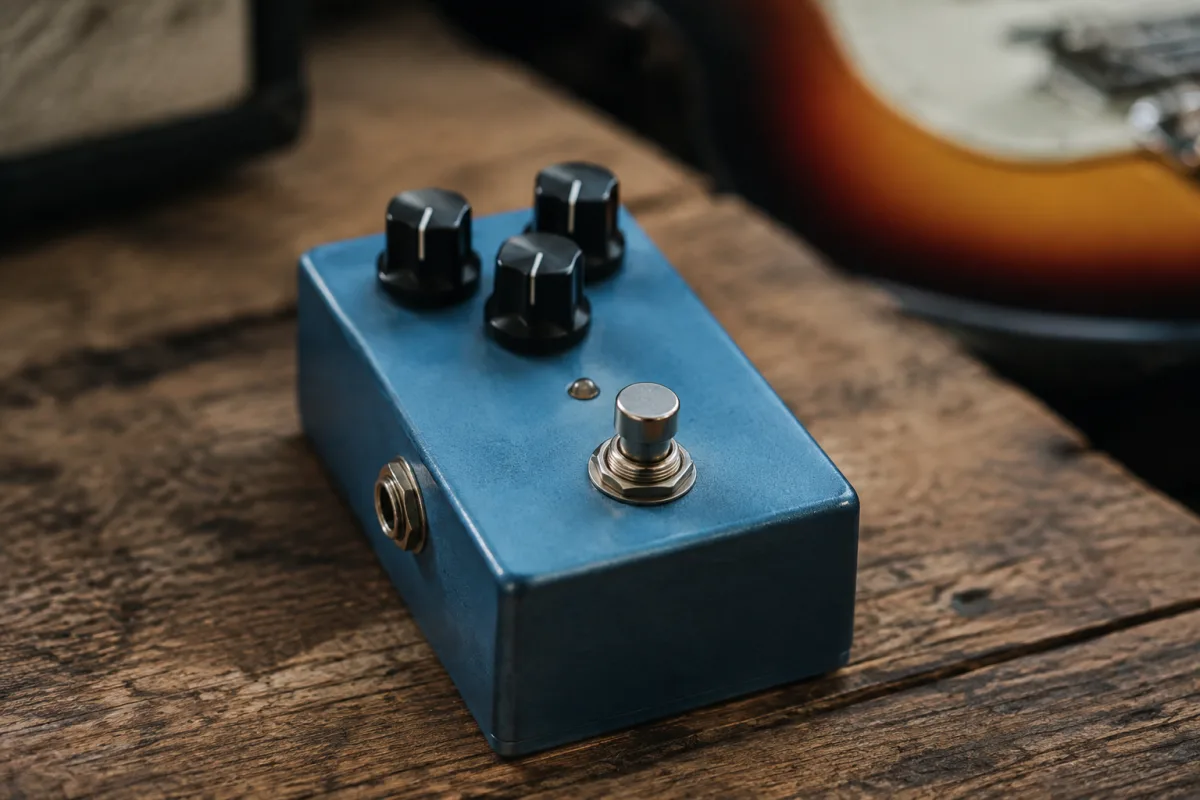
A blues drive pedal is an essential stompbox for any guitarist seeking authentic, expressive blues tone—from subtle sustain enhancement to gritty, soulful distortion that defines modern blues sound. The blues drive pedal sits at the intersection of overdrive and distortion, designed specifically to capture the character of overdriven tube amplifiers at any volume level. Whether you're playing intimate acoustic-electric blues in coffee shops or commanding a stage at a blues festival, a quality blues drive pedal delivers the dynamic responsiveness and tonal character that separates genuine blues expression from lifeless distortion.
Understanding Overdrive and Drive Pedals
A drive pedal, including blues-specific variants, simulates the warm, responsive tone of an overdriven tube amplifier. When a tube amplifier is "pushed"—driven past its comfortable operating point—the tubes distort gracefully, adding harmonic richness and sustain whilst maintaining responsive dynamics. A skilled guitarist uses amp drive to shape tone through playing dynamics: soft picking produces clean or mildly overdriven tones, hard picking pushes the amp into fuller distortion, creating dynamic, expressive playing.
A blues drive pedal replicates this responsive character electronically. Quality drive pedals track playing dynamics beautifully—backing off the guitar's volume control or using gentler picking reduces distortion and cleans up the tone. This responsiveness is essential for blues, where expressive dynamics convey emotion and feeling.
The Blues Drive Pedal's Tonal Character
Unlike distortion pedals, which produce uniform grit regardless of playing dynamics, a blues drive pedal emphasises sustain, harmonic richness and natural compression—the characteristics of overdriven tubes. A good blues drive pedal compresses dynamics slightly, sustaining notes that might otherwise fade, and emphasises midrange frequencies that shine in blues contexts.
The best blues drive pedals possess transparency—the pedal colours and enhances the guitar's natural tone without adding obvious electronic character. A transparent blues drive pedal allows the guitar and amplifier's inherent tonal quality to shine through, adding only the enhancement and grit that the blues context demands.
Different Blues Drive Pedal Types
Blues drive pedals range across a spectrum from mild to intense. A light blues drive pedal adds subtle grit and sustain—ideal for rhythm playing and urban blues. A moderate blues drive pedal provides the classic sound of a pushed tube amp—perfect for most blues contexts. Intense blues drive pedals deliver heavy grit approaching distortion, suitable for rock-blues fusion and high-energy performance.
Some blues drive pedals employ specific tonal shaping—Fender-style treble-rich drive suited to single-coil guitars, or warm, darker drive matched to humbucker pickups. Choosing a blues drive pedal suited to your guitar type and amplifier ensures optimal tonal integration.
Essential Controls
A quality blues drive pedal typically includes drive (or gain), tone, and level controls. The drive control adjusts the amount of distortion and compression—higher values produce more grit and sustain. The tone control shapes midrange and high-frequency balance, allowing players to brighten or darken the distortion. The level control sets the output volume, enabling the pedal to deliver consistent volume whether using minimal or maximum drive.
Advanced blues drive pedals add tone split controls—separating bass, midrange and treble adjustment. Some include a voice switch selecting between different distortion characteristics—vintage warmth, modern aggression, or nuanced options in between. The more controls a pedal offers, the broader its tonal palette but also the more complex its operation.
Placement in the Signal Chain
A blues drive pedal typically sits near the front of the pedal signal chain, after tuning but before time-based effects like delay and reverb. However, some players place blues drive pedals after other effects, creating unique tonal textures. Experimentation reveals optimal placement for your specific setup.
Most blues drive pedals work equally well with tube amplifiers and solid-state amplification, though tube amps respond more naturally to drive pedals because the interaction between the pedal's distortion and the amplifier's own gain stage creates musical interplay. Solid-state amps produce fine blues tones with drive pedals but lack this dynamic interaction.
Iconic Blues Drive Pedals
Certain blues drive pedals have become standards, appearing on professional stages and in recording studios worldwide. The Tubescreamer, originally designed in the 1970s, remains a reference point—its warm, midrange-rich character suits single-coil guitars and has become synonymous with blues and rock. Modern Tubescreamer variants (TS-9, TS-808) continue the legacy alongside newer designs.
Other classic blues drive pedals include the Klon Centaur, celebrated for its transparency and responsive dynamics, and the Ibanez Tube Screamer, which has defined a sound copied by countless manufacturers. Contemporary builders including Analogman, Wampler and J. Rockett craft boutique blues drive pedals commanding premium prices for their tonal sophistication.
Quality and Price Considerations
Entry-level blues drive pedals (£30–80) provide basic functionality and acceptable blues tone but often sound digital, lack dynamic responsiveness or compress tone awkwardly. Mid-range options (£80–250) deliver genuine blues character with responsive dynamics and transparent tone. Professional-grade blues drive pedals (£250+) employ premium components, hand-wired circuits and extensive sonic refinement justifying their investment.
The price jump between entry-level and mid-range is significant but worthwhile. A £100 blues drive pedal transforms your tone compared to a £30 alternative. Professional pedals add refinement and durability but don't dramatically change the fundamentals—mid-range options often represent the optimal value.
Using a Blues Drive Pedal Expressively
Mastering a blues drive pedal requires more than stomping it on and playing. Skilled blues players use the pedal dynamically: adjusting guitar volume to modulate distortion intensity mid-phrase, using the pedal's responsiveness to add sustain to particular notes, and sometimes combining multiple drive pedals to layer different distortion characters.
The blues drive pedal is a tool for expression—like bending strings or using vibrato, it conveys emotional content. A subtle increase in drive for the final note of a phrase, or backing off the drive during a clean passage to emphasise the contrast, demonstrates mastery. This dynamic control separates emotive, compelling blues from one-dimensional, constant distortion.
Maintenance and Durability
A quality blues drive pedal is built to withstand years of touring abuse. Professional pedals use heavy-gauge steel enclosures, high-quality potentiometers and reliable switching mechanisms. Occasional cleaning and minimal care—replacing batteries if needed, protecting the pedal from excessive moisture—ensures decades of reliable performance.
Budget pedals sometimes develop scratchy controls or intermittent switch failure after months of use. Professional pedals continue functioning after years of professional touring, making them genuinely long-term investments.
Conclusion
A blues drive pedal is far more than a distortion box—it's an expressive tool that bridges the gap between clean and distorted tones, adding dynamic character and soul to blues playing. A quality blues drive pedal responds to your playing touch, colours your tone with warmth and sustain, and becomes an extension of your musical voice. Whether you're exploring blues for the first time or adding a refined blues drive pedal to a professional rig, investing in a pedal matched to your tone and playing style rewards you with years of expressive, dynamic blues playing that defines genuine musical communication.



Comments