
Guitar Effects Pedals Distortion article
The Complete Guide to Guitar Effects Pedals Distortion
Guitar effects pedals distortion transforms your sound from clean to snarling aggression. Learn which type suits your style and how to use distortion effectively.
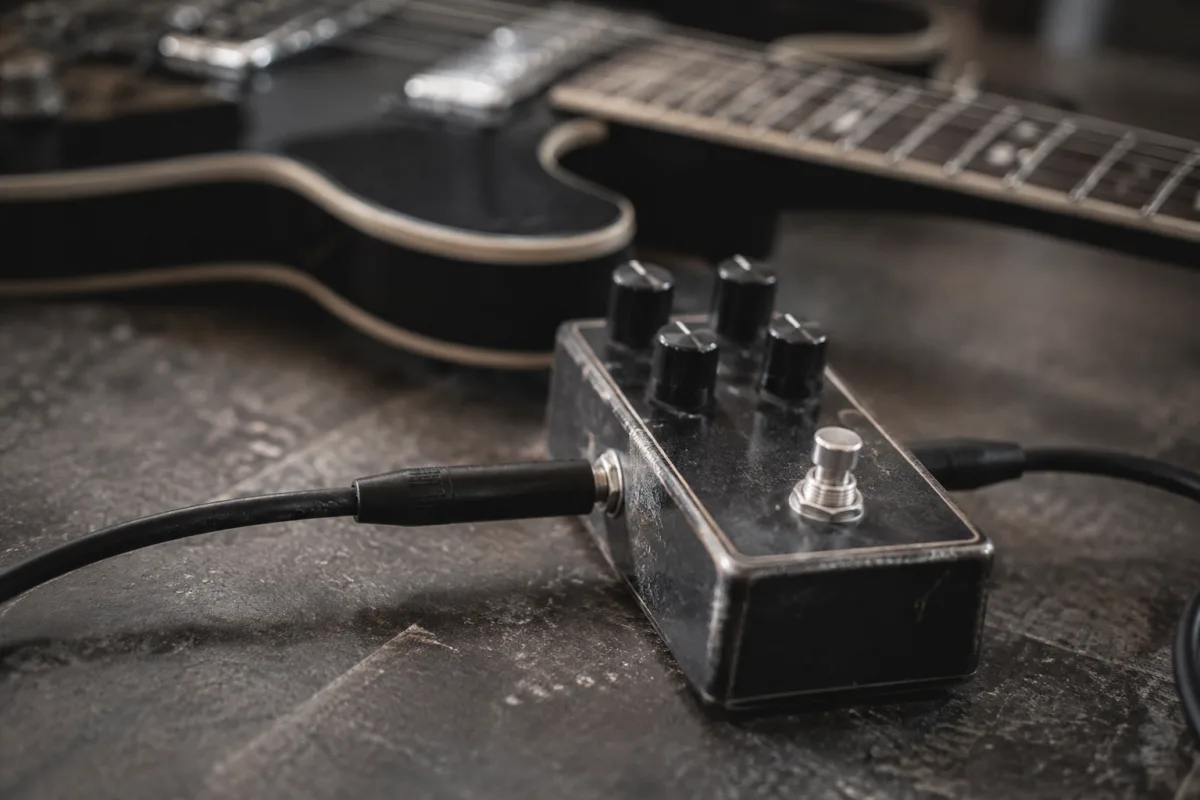
Guitar effects pedals distortion has revolutionised how electric guitarists shape their sound, from blues legend Jimi Hendrix's groundbreaking fuzz to modern metal's crushing tones. A quality distortion pedal remains the gateway to sonic exploration, offering endless creative possibilities in tone-shaping and artistic expression.
Understanding Distortion
Distortion is the deliberate clipping and saturation of an audio signal, creating harmonic richness and aggression. Unlike overdrive (which is gentle saturation), distortion heavily clips the waveform, producing the snarling, powerful tones synonymous with rock, metal and alternative music. An effects pedal lets guitarists toggle this character instantly, from clean tone to heavy saturation and back.
Types of Distortion Pedals
Classic distortions emulate vintage amplifier saturation—warm, smooth and musical. Examples include the Ibanez Tube Screamer (technically overdrive) and Boss DS-1. These suit blues, classic rock and vintage tones.
Heavy distortions prioritise raw power and aggression—metal-oriented designs with high gain and thick bottom end. Examples: ProCo RAT, MXR M75 and the Boss MT-2 Metal Zone. These dominate modern metal and hard rock.
Fuzz pedals create harmonic saturation and grit reminiscent of vintage fuzz boxes—think Hendrix and retro tones. Brands like Electro-Harmonix and Fuzz Face remain essential for vintage and psychedelic players.
Key Features to Consider
| Feature | Importance |
|---|---|
| Gain/Drive | Controls saturation intensity; higher = more aggression |
| Tone control | Shapes high-end presence; critical for dialling in presence |
| Level/Volume | Compensates for signal boost; essential for balanced output |
| Footswitch | Toggles effect on/off; must feel solid and responsive |
| Build quality | Durability matters in gigging rigs; metal enclosure superior |
Finding the Right Distortion Pedal
Start by understanding your sonic goals. For blues and classic rock, a warm, touch-responsive unit suits. For metal, a high-gain beast with thick bottom end excels. Budget £50–100 for entry-level, £100–300 for mid-range quality, and £300+ for premium handmade units. Popular choices include the Boss DS-1, ProCo RAT, Ibanez Tube Screamer and MXR pedals—all battle-tested in countless touring rigs.
Using Distortion in the Signal Chain
Typically, guitar effects pedals distortion sits early in the chain, after tuner but before modulation (chorus, flange). Placing it early lets subsequent effects colour the distorted tone. Experiment with placement—some players put distortion late for unique textures.
Stacking multiple distortion pedals (light overdrive into heavy distortion) creates layered aggression and complexity—a technique mastered by shredders and metal pioneers.
Iconic Distortion Tones
Jimi Hendrix's fuzz-driven explosiveness redefined guitar possibility. Kurt Cobain's gritty, snarling tone on Nirvana records came from simple, well-used pedals. Eddie Van Halen's harmonic screams combined distortion with innovative technique. Modern djent and progressive metal rely on high-gain distortion for thick, percussive attack. Each tone proves that character matters more than price—a cheap pedal in the right hands can inspire generations.
Maintaining Your Pedal
Guitar effects pedals distortion units are durable but benefit from care. Keep them dry, replace batteries or power supplies regularly, and check cable connections. A pedalboard with professional cable management keeps your signal clean and your pedals protected during transport.
Distortion remains the most essential effect for rock and metal guitarists. Whether pursuing vintage warmth or modern metal thunder, the right pedal transforms your sonic possibilities and unleashes creative expression.


Comments